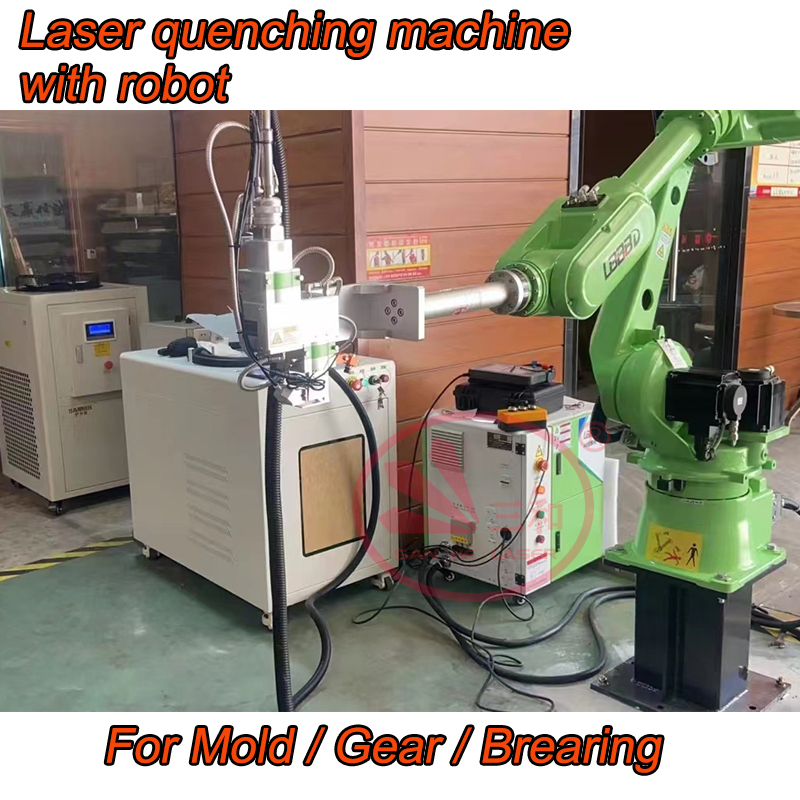
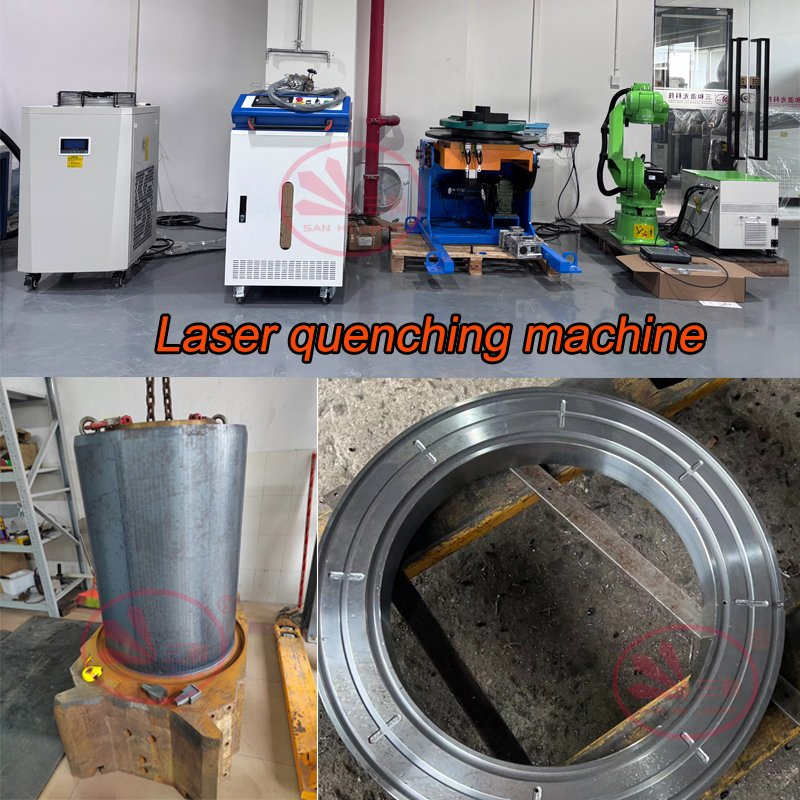
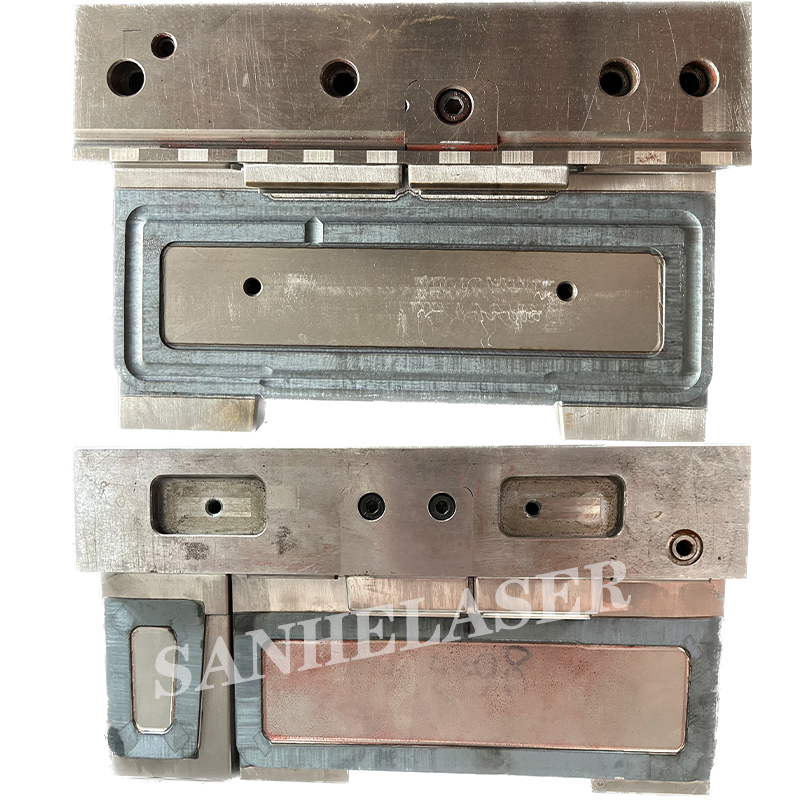
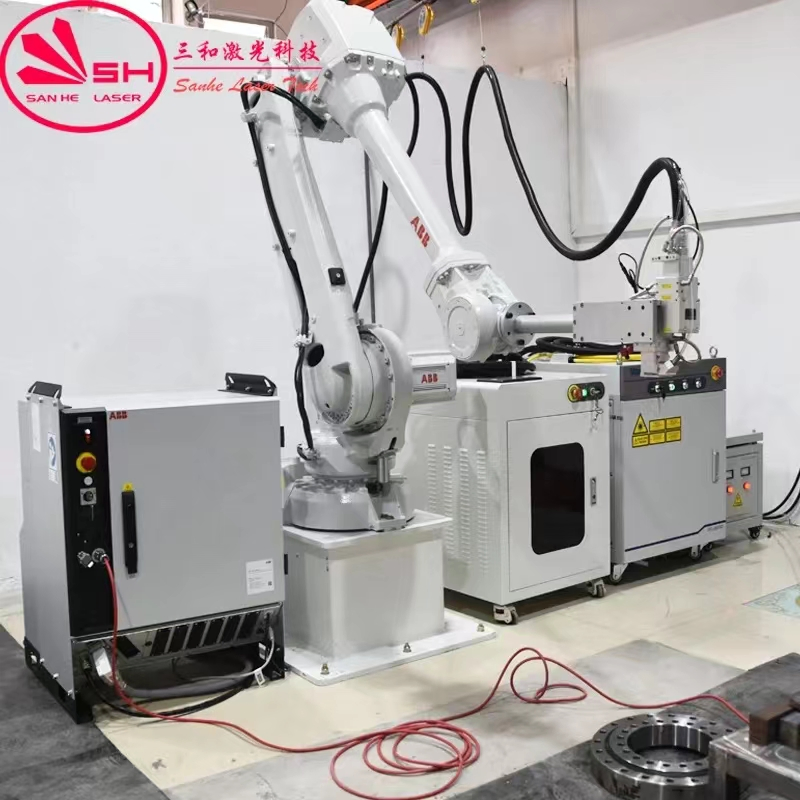
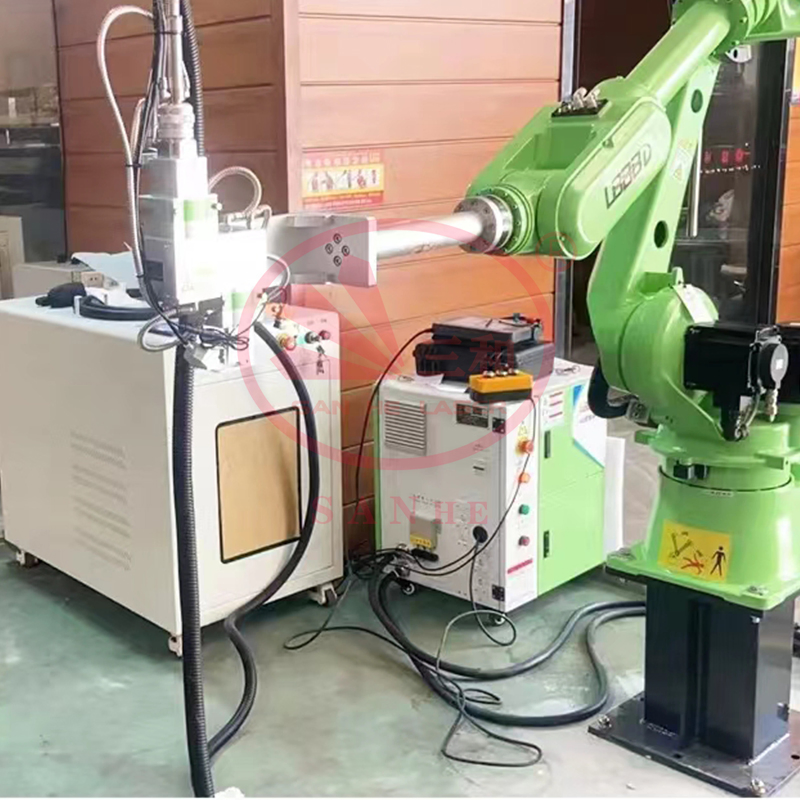
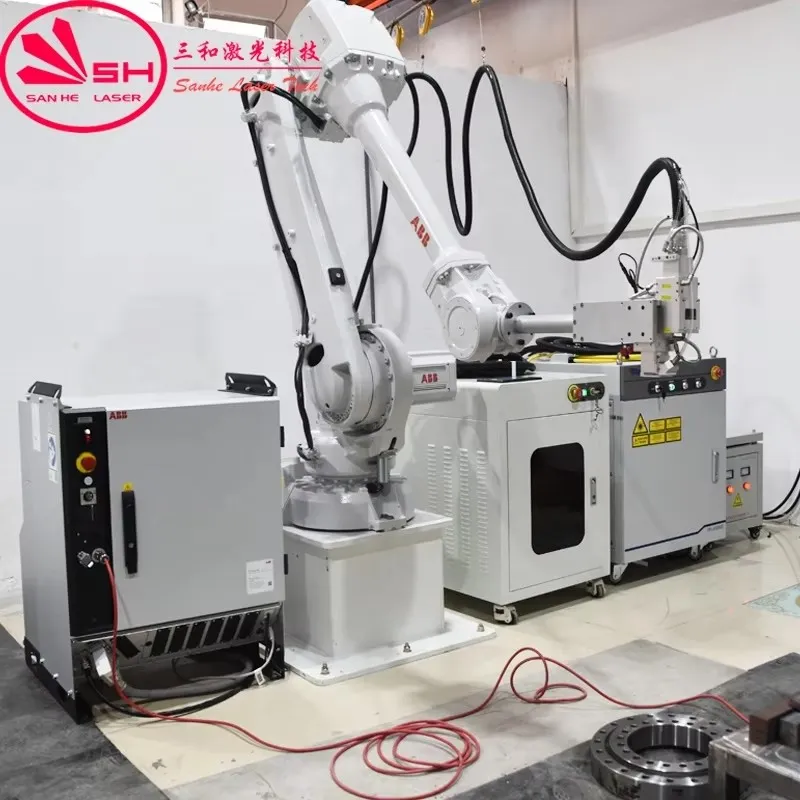
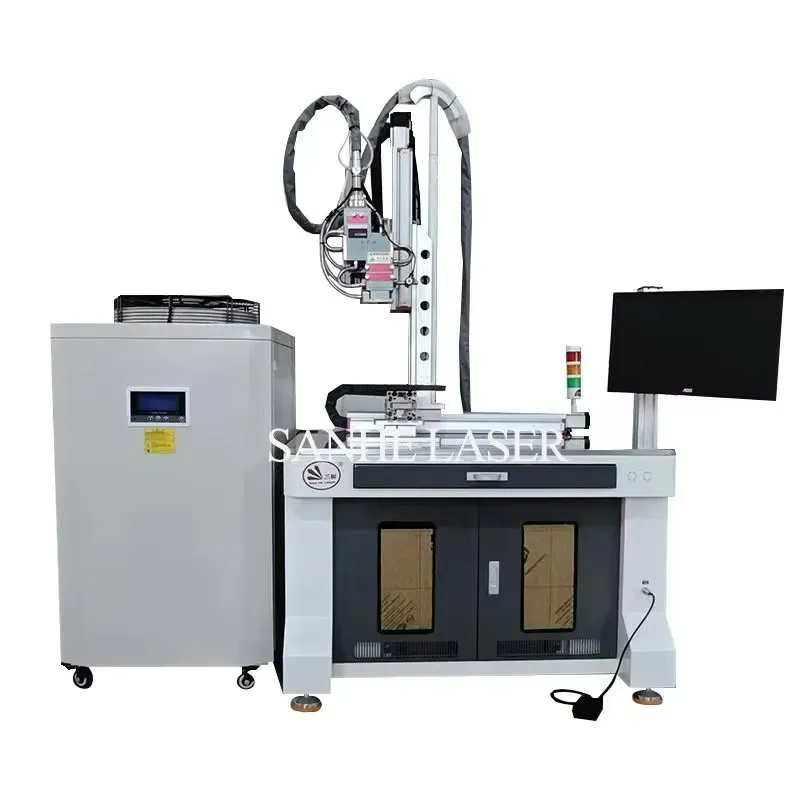
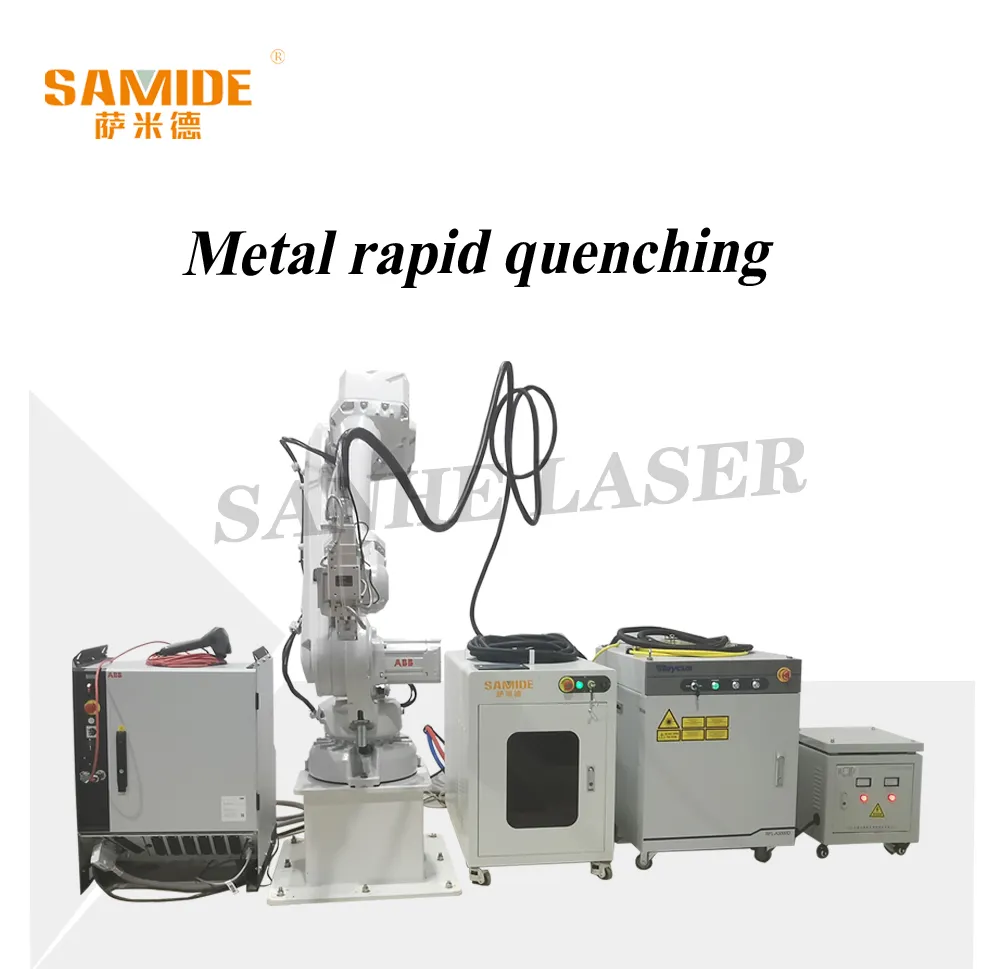
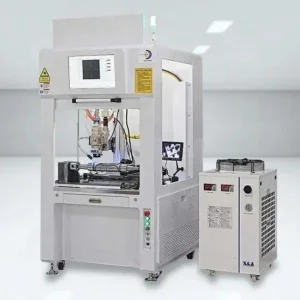
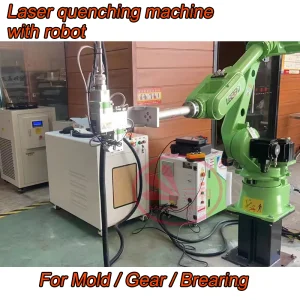
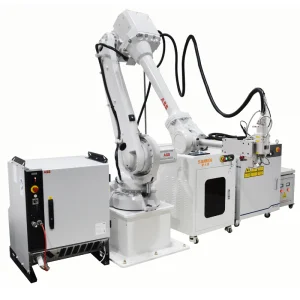
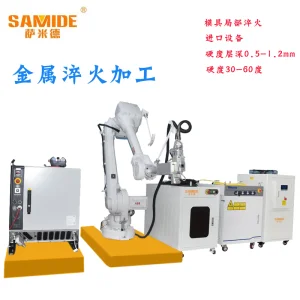
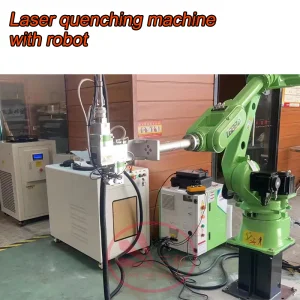
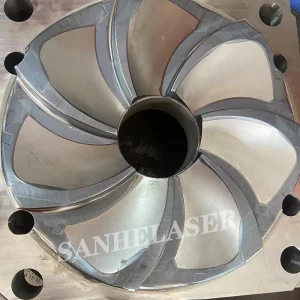
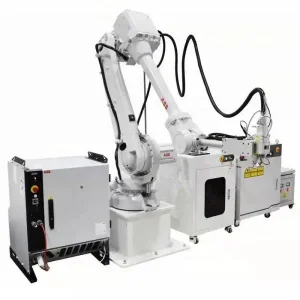
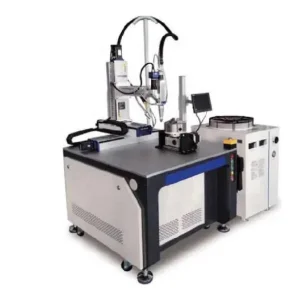
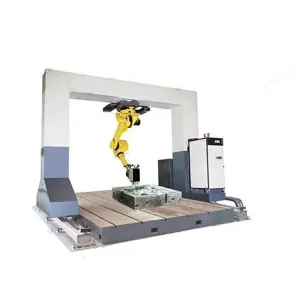
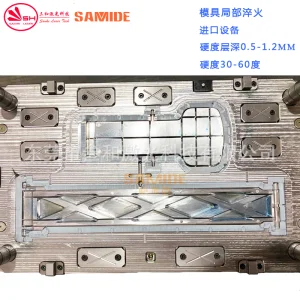
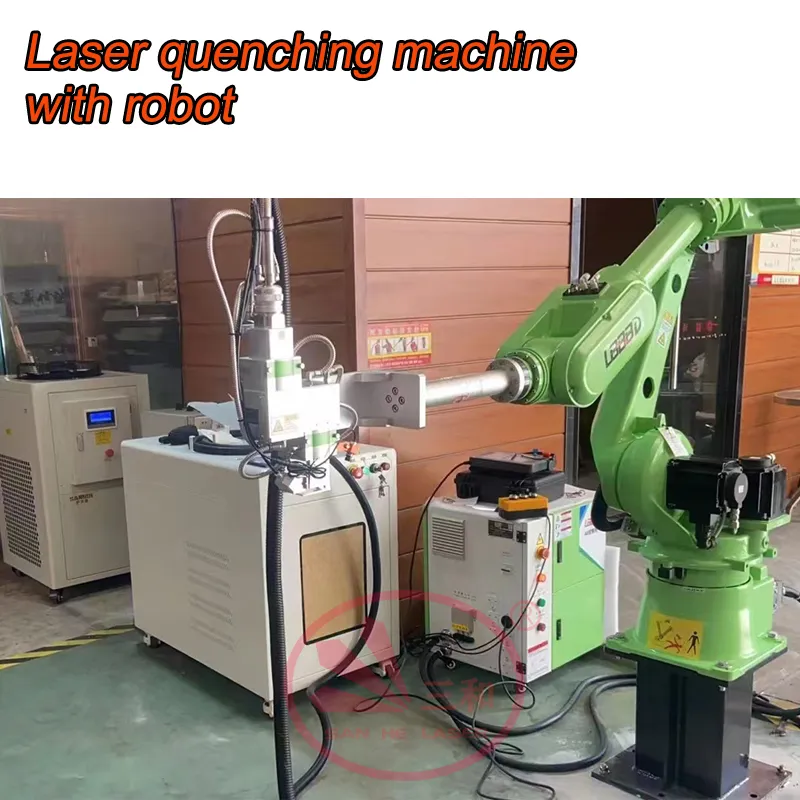
Robot 3000W Laser Quenching Machine for Bearing Gear Mold Blade Surface Hardening

Customization: Available
After-sales Service: After Sales on Line
Warranty: 1year

Product Description

📋 Basic Information
Model NO.
3HE-CH3000W
Application
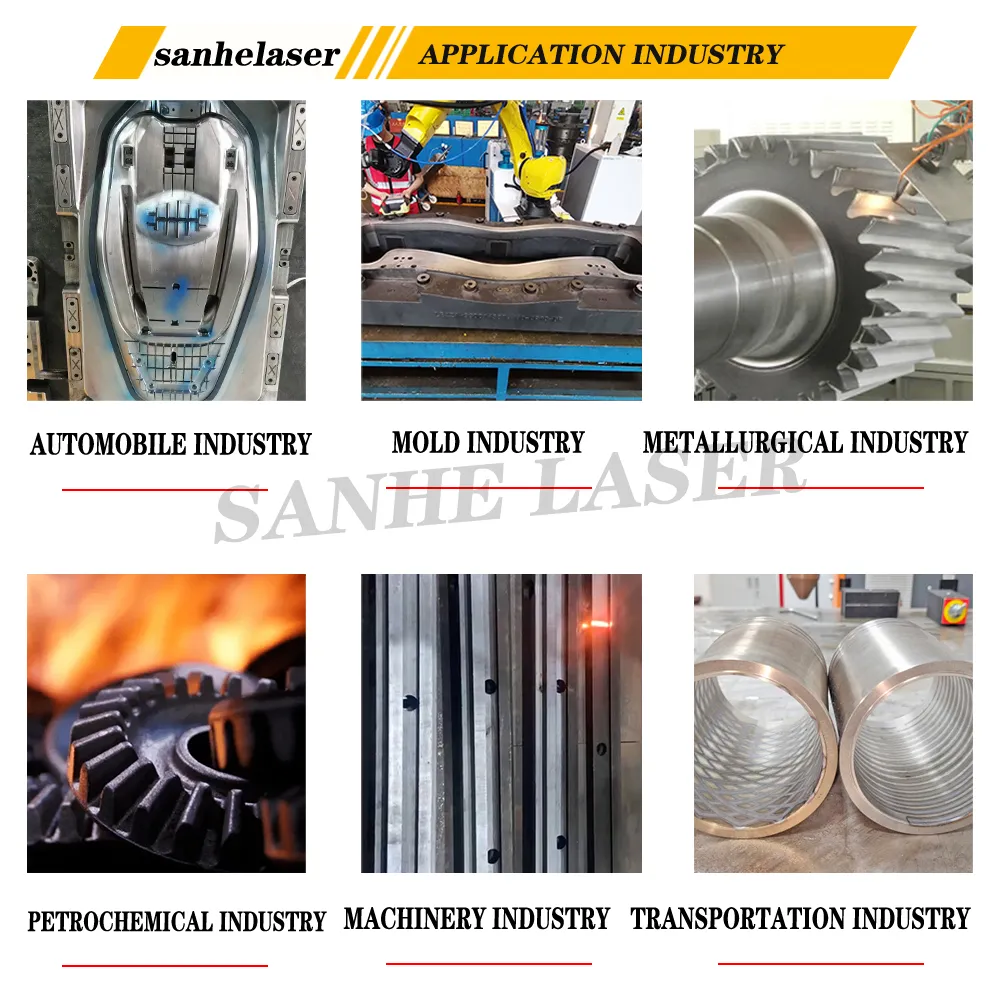
Aerospace, Agricultural Machinery, Automotive Industry, etc.
Automatic Grade
Automatic
Style
Stationary
Technical Class
Semiconductor
Cooling
Water Cooling
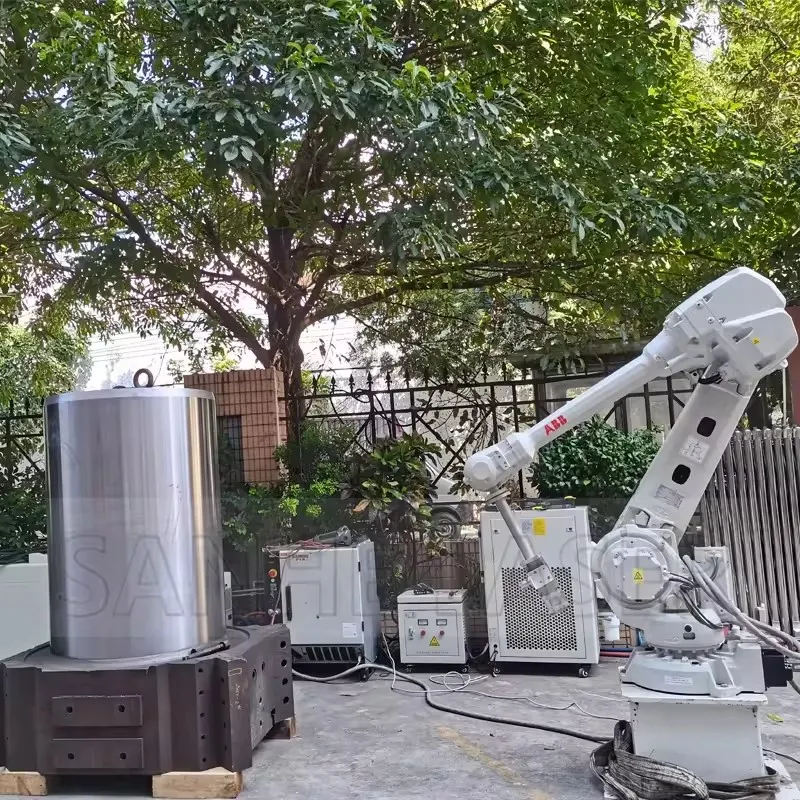
Robot
ABB
Power
3000W
Voltage
380V
HS Code
8479819000
🏢 Professional Setup
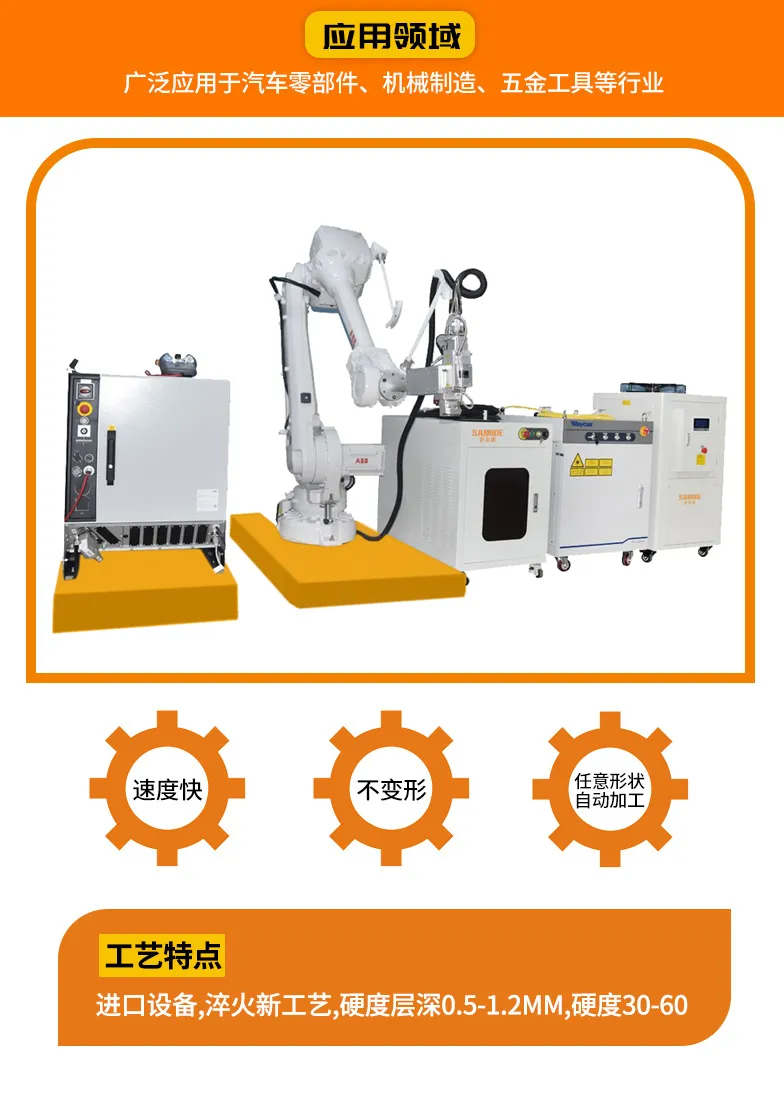
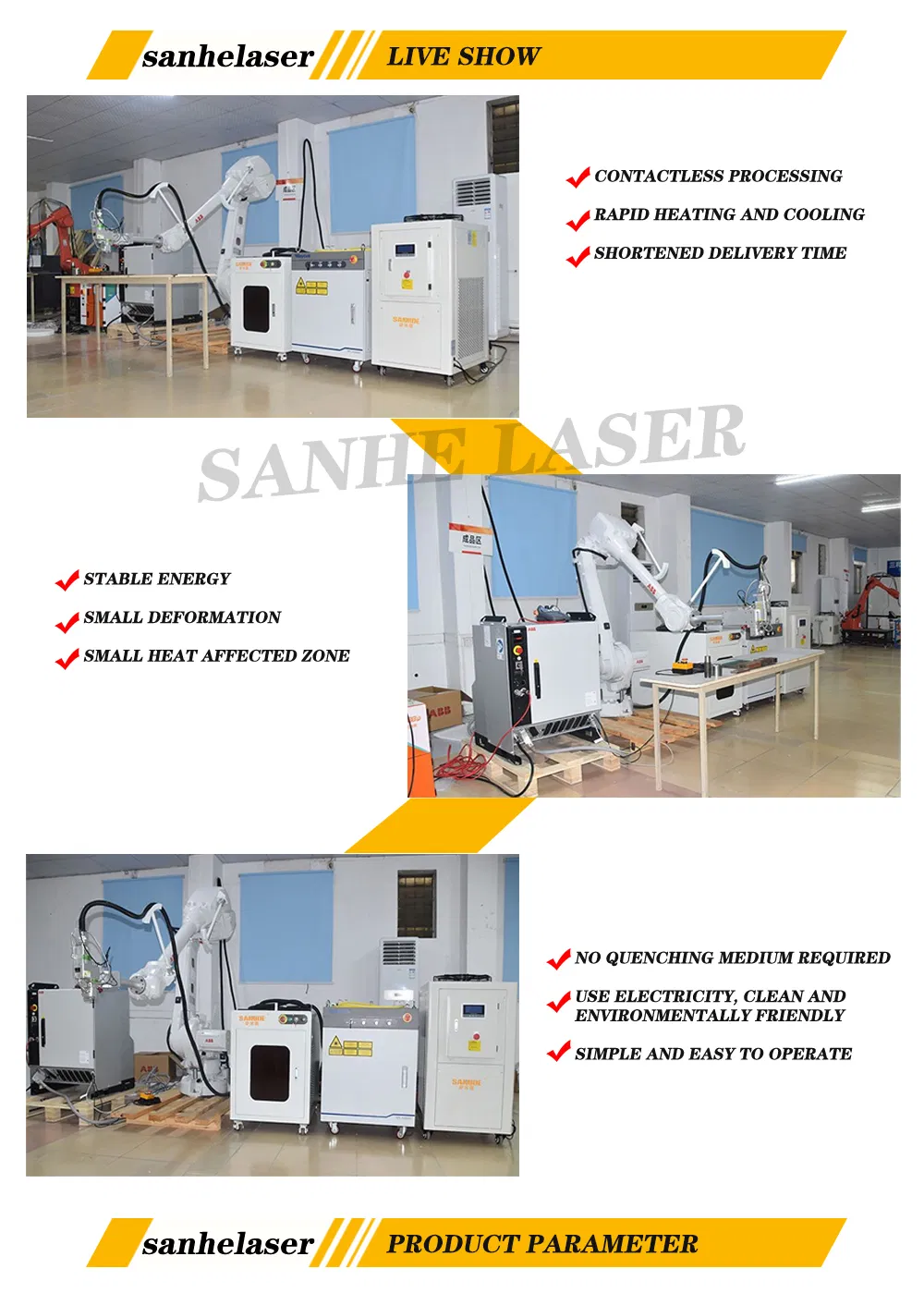
Laser Quenching Machine Setup
⚙️ Product Description

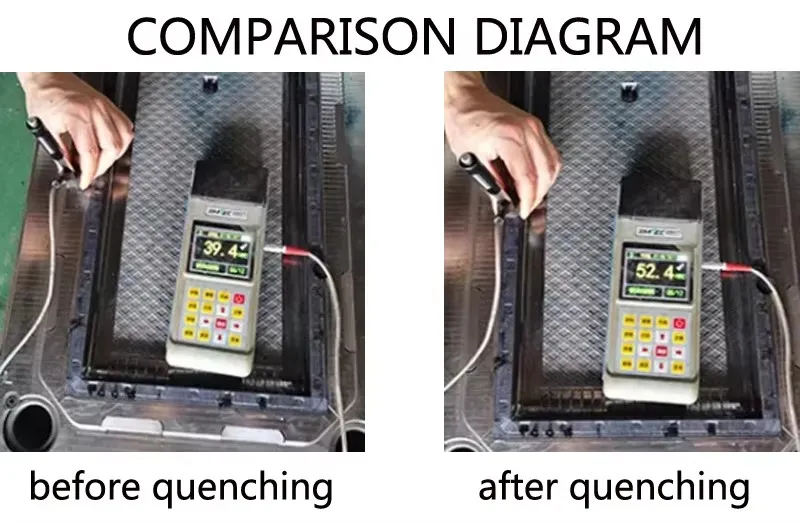
Laser quenching is a technology that uses a laser to heat the surface of a material above the transformation point. As the material cools, austenite transforms into martensite, hardening the surface.

The laser quenched tooth surface features a high heating/cooling rate and short process cycles. It offers minimal workpiece deformation and eliminates the need for external quenching media or post-treatment grinding.
Quenching Detail 1
Quenching Detail 2
Quenching Detail 3
Application 1
Application 2
Result Analysis 1
Result Analysis 2
Result Analysis 3
📊 Technical Parameters
Parameter Chart
Optical & Laser Parameters
Wavelength (nm)915±10
Output Unstability (%)<3
Rate (Hz)50~5k
Fiber Core (μm)600
Fiber Length (m)20
Electronic & General Parameters
VoltageAC380V±38V, 50/60Hz
Power Consumption22KW
CoolingWater Cooling
Weight (Kg)<150
Size (W×H×D)(mm)650×950×980
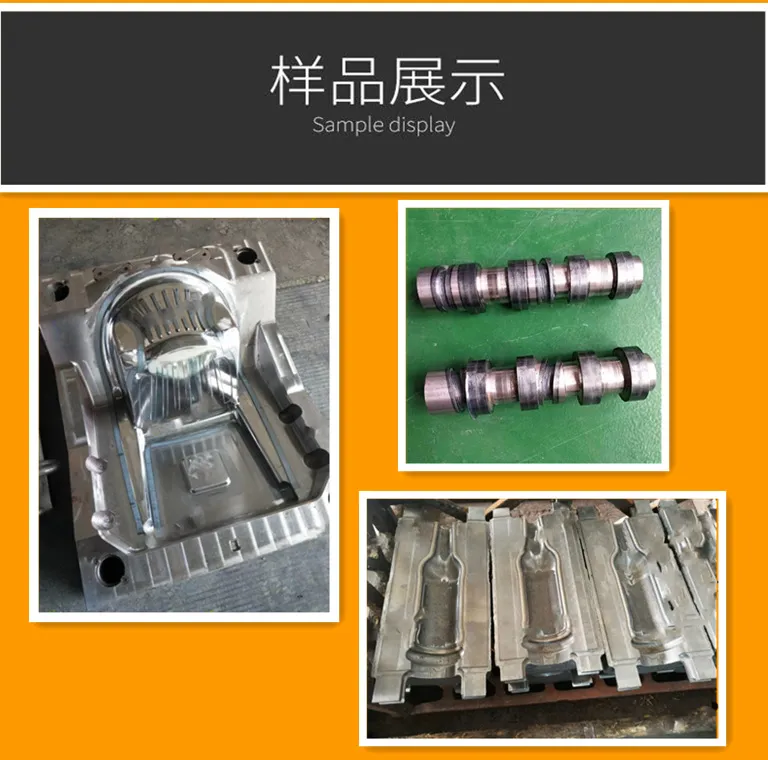
🔍 Processing Samples
Sample 1
Sample 2
Sample 3
Sample 4
Sample 5
🌟 Our Advantages
  • 01No deformation: The rapid thermal cycle process ensures parts maintain their shape.
  • 02Surface Integrity: Hardly destroys surface roughness; uses thin anti-oxidation coatings.
  • 03No Cracking: Precise quantitative numerical control quenching prevents material failure.
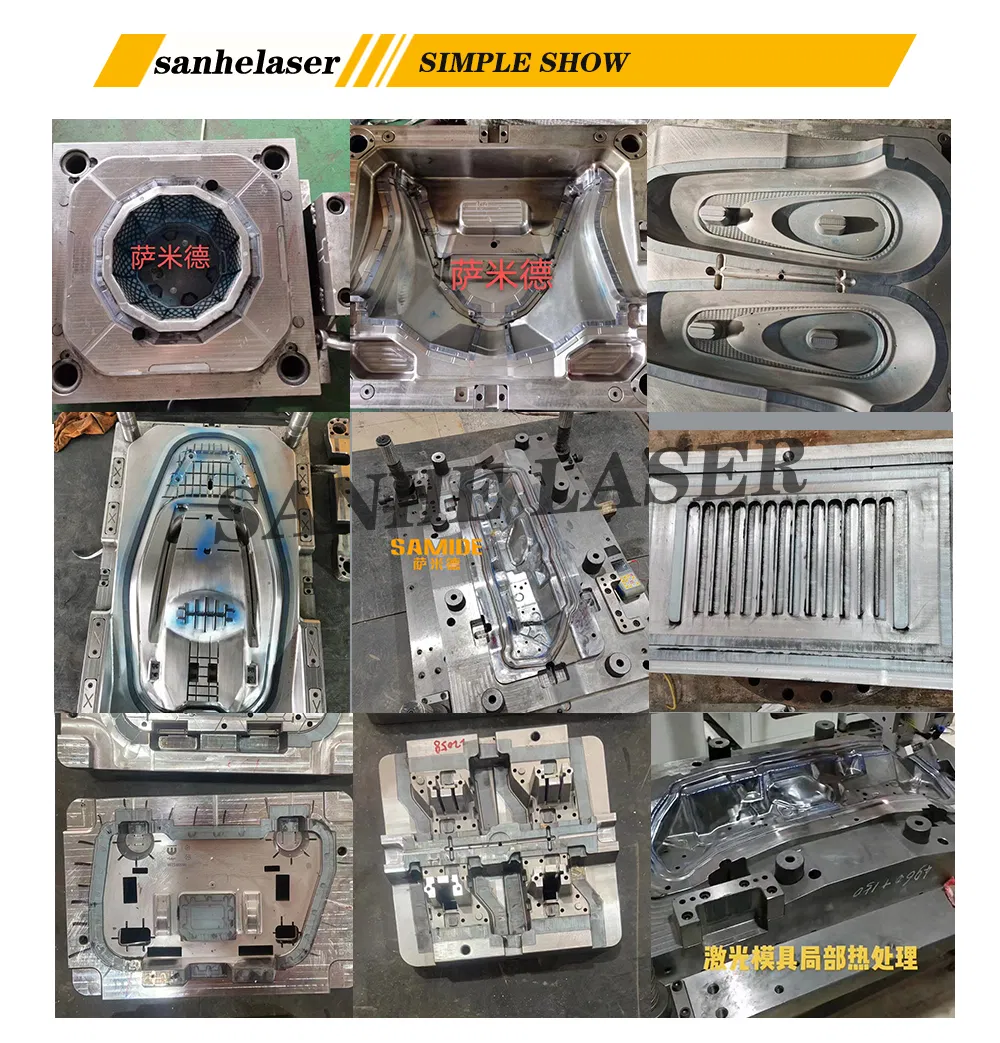
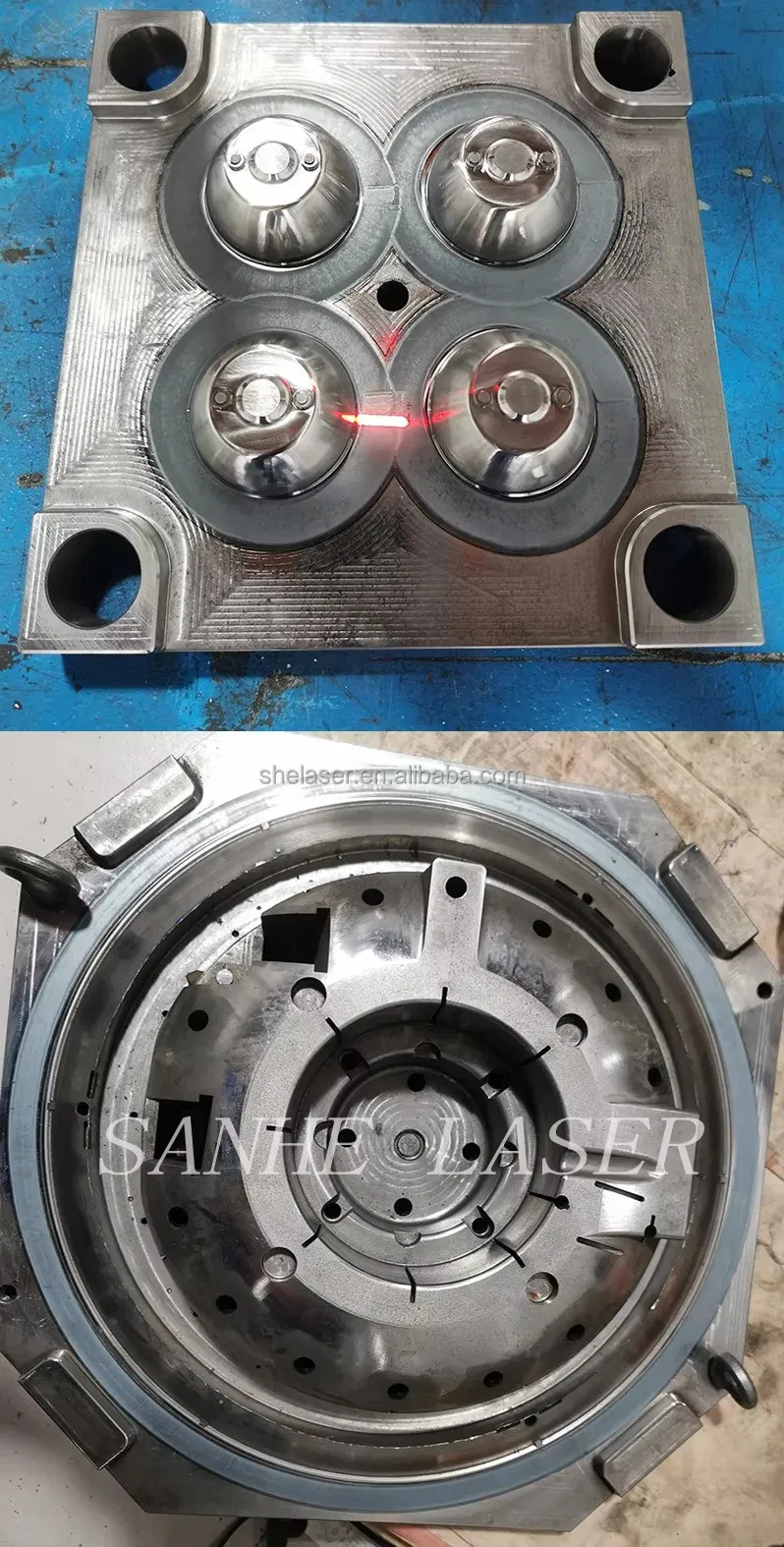
  • 04Precision Positioning: CNC control allows for accurate local, groove, and spot quenching.
  • 05Eco-Friendly: Clean and efficient; no water or oil cooling medium required for the workpiece.
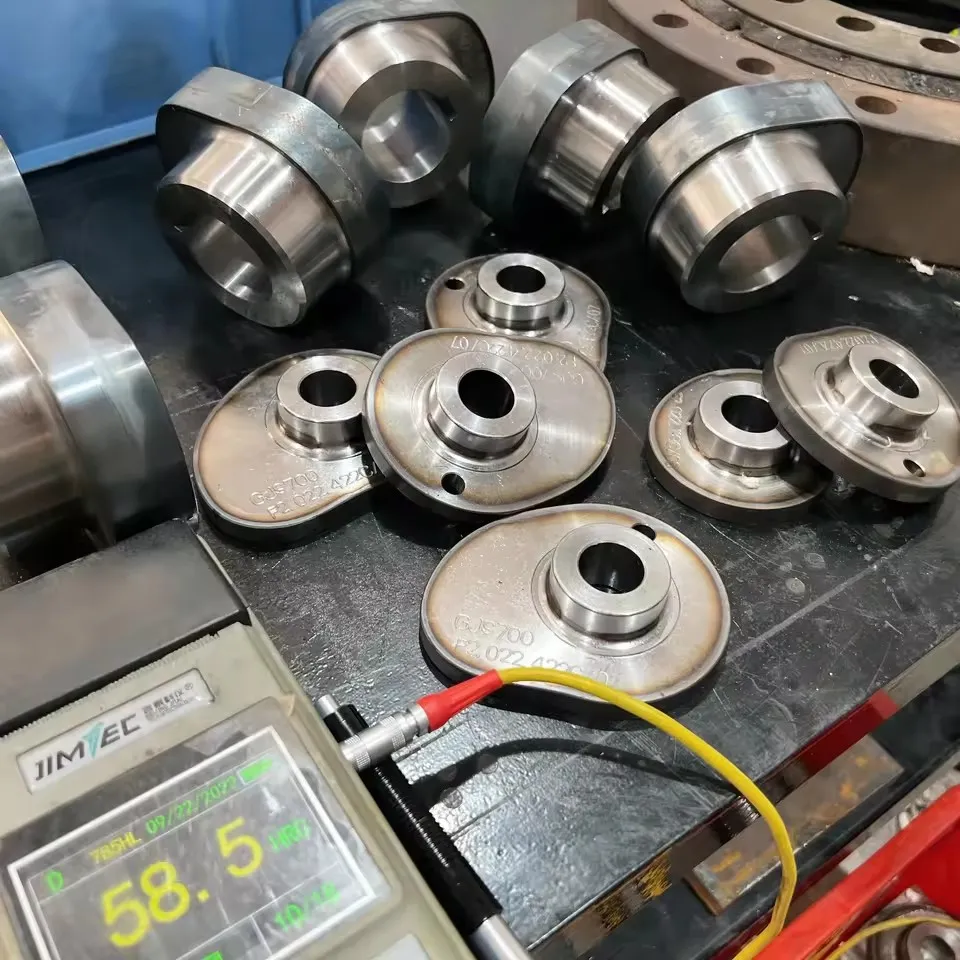
  • 06Superior Hardness: Higher hardness than conventional methods with fine structure and good toughness.
Technology Advantage
System Overview
Frequently Asked Questions
Q1: What materials are suitable for laser quenching?
A: Laser quenching is ideal for medium to high carbon steel, cast iron, die steel, and various alloy steels used in rollers and gears.
Q2: Does the process cause significant part deformation?
A: No. Due to the rapid heating speed and small heat-affected zone, the deformation of processed parts or molds is extremely small.
Q3: What is the typical depth of the hardened layer?
A: The depth of the hardened layer generally ranges from 0.3mm to 1.5mm, depending on the material and laser parameters.
Q4: Is an external cooling medium like oil or water needed?
A: No, laser quenching uses self-excited cooling as the heat dissipates into the material bulk, making it a clean and pollution-free process.
Q5: Can the machine perform quenching on specific local areas?
A: Yes, thanks to the small divergence angle and CNC robot control, it can perform precise local quenching on grooves, holes, and complex geometries.
Q6: How does laser quenching compare to traditional methods in terms of hardness?
A: Quenching hardness is typically higher than conventional methods, resulting in a finer microstructure with excellent strength and toughness.

Related Products