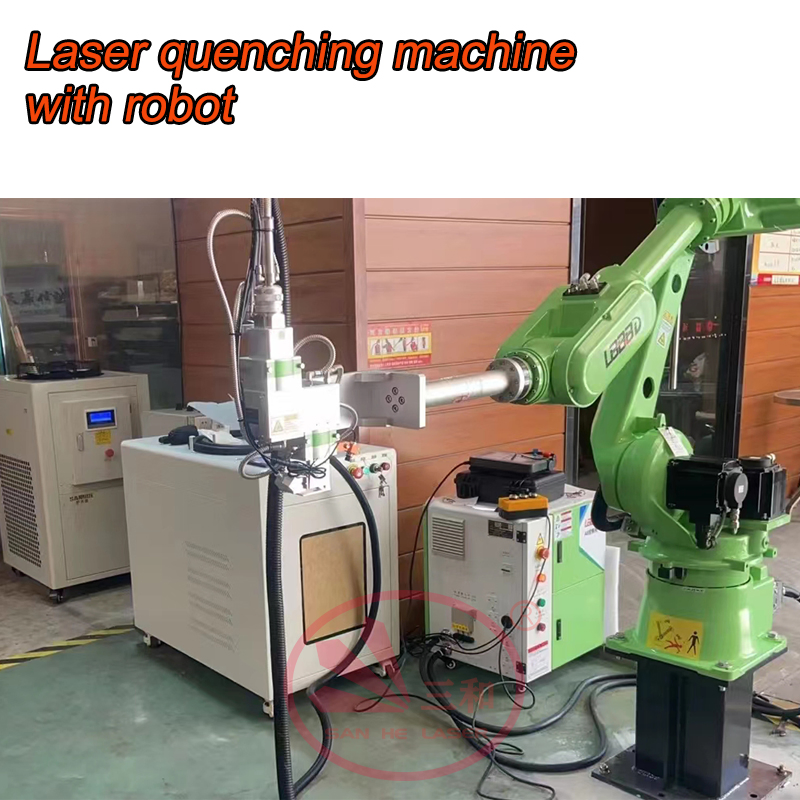
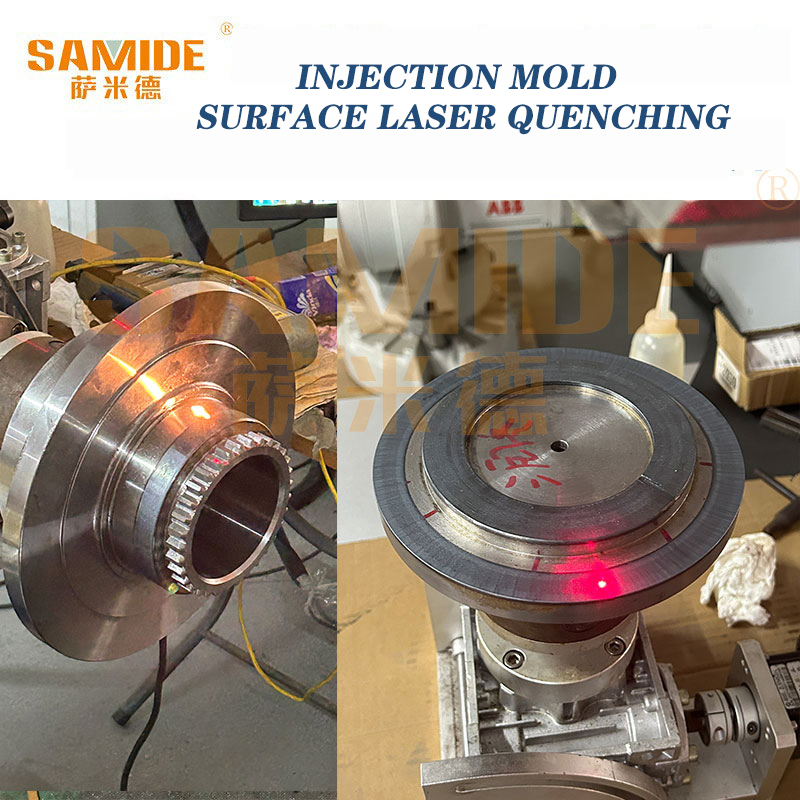
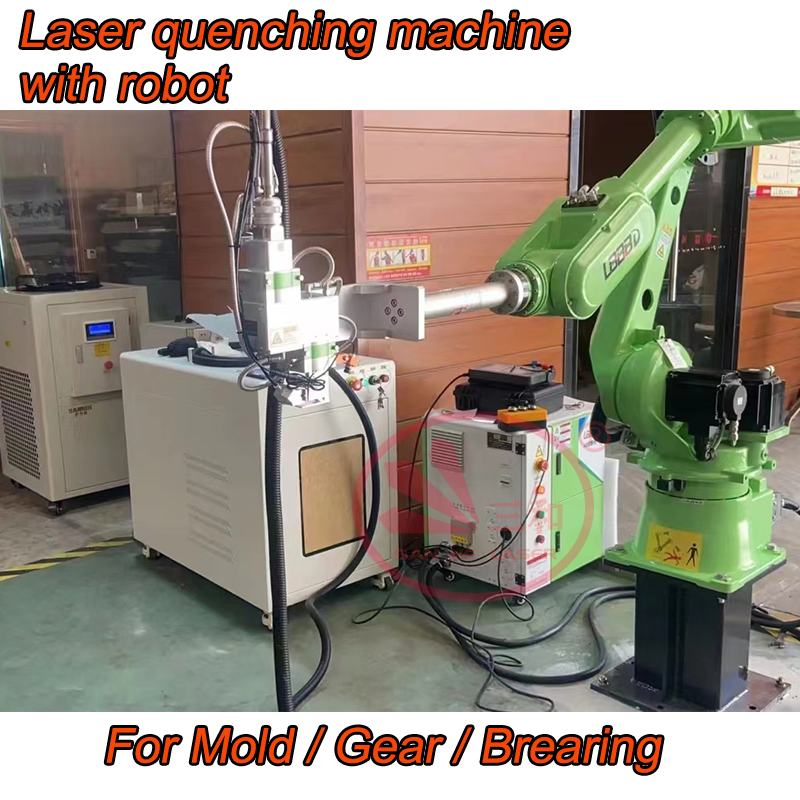
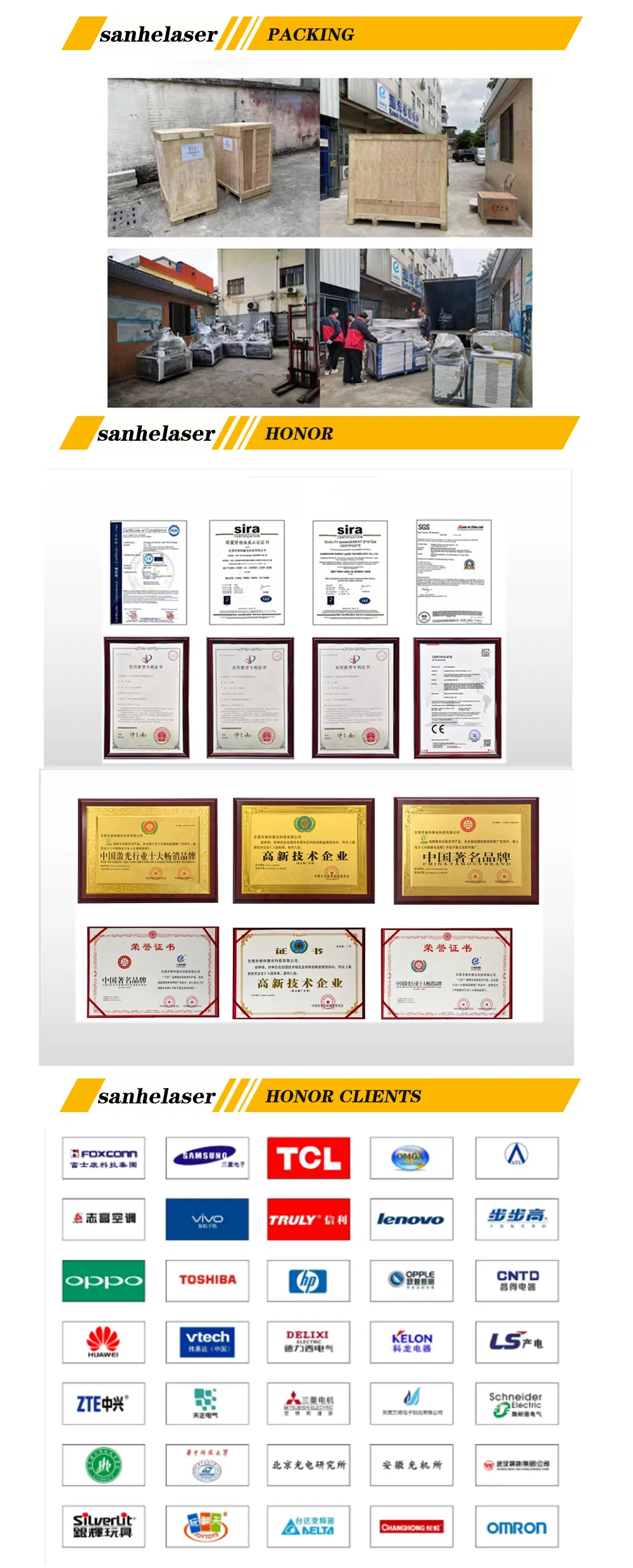
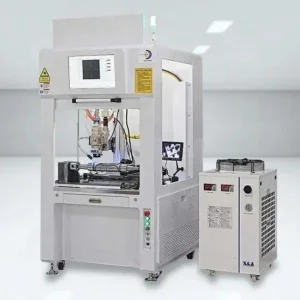
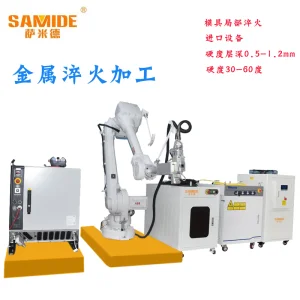
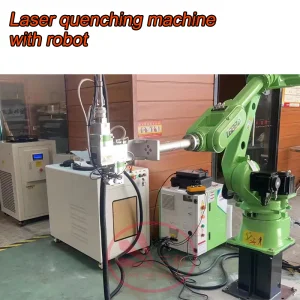
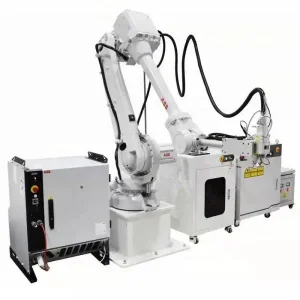
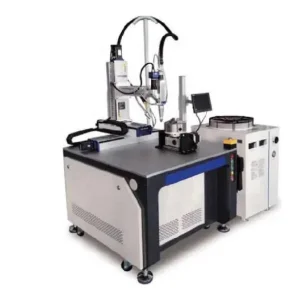
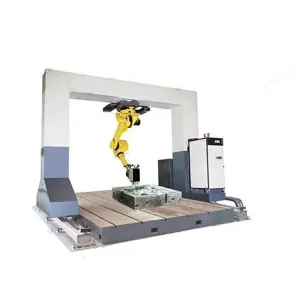
3000W Laser Quenching Laser Hardening Machine for Mould Surface Treatment

Customization: Available
After-sales Service: After Sales on Line
Warranty: 1year

Product Description

Basic Information
Model NO.
3HE-CH3000W
Application
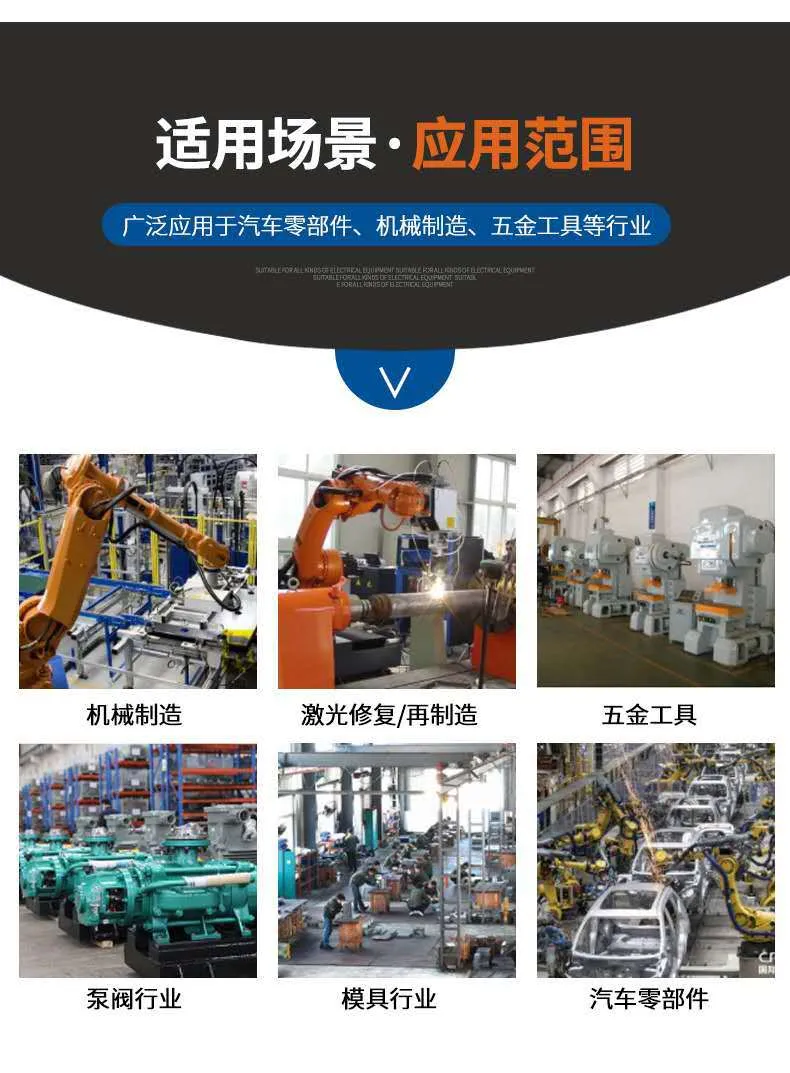
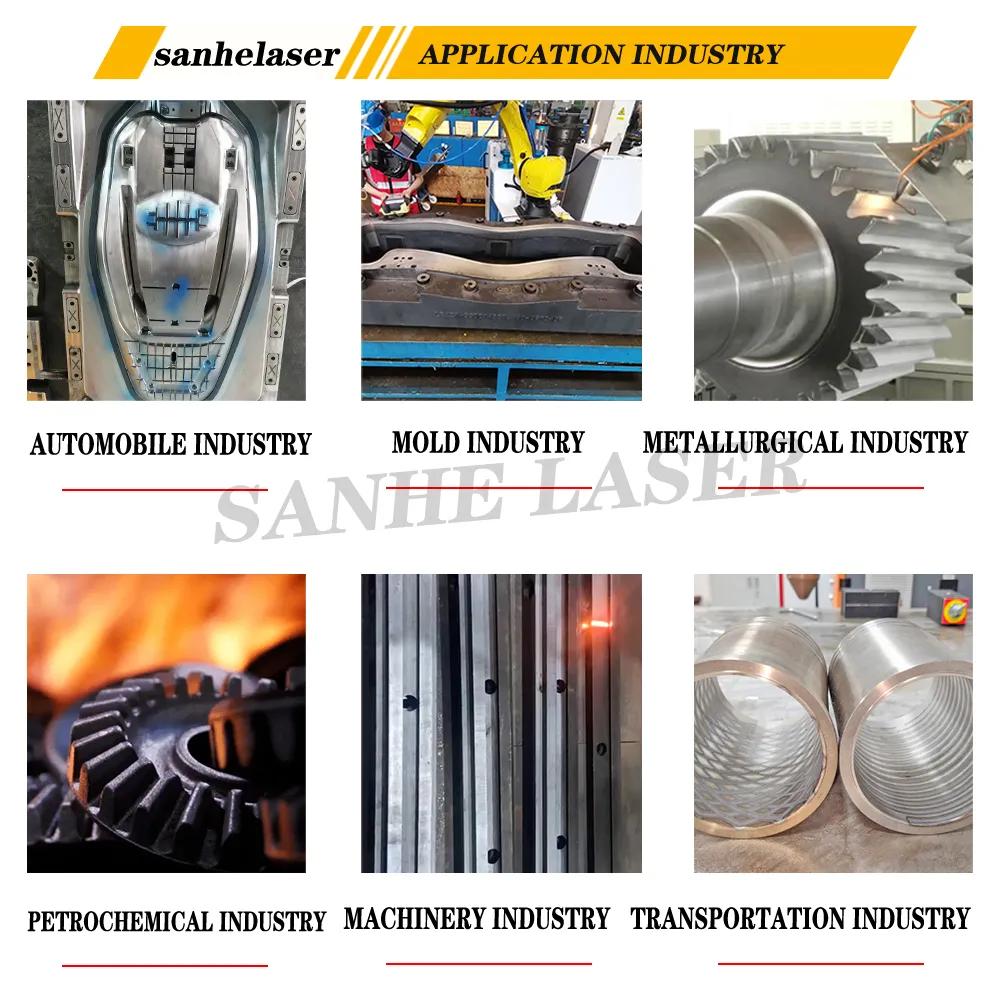
Aerospace, Agricultural, Automotive, Metallurgy
Automatic Grade
Automatic
Style
Stationary
Laser Classification
Semiconductor Laser
Type
Laser Hardening
Cooling
Water Cooling
Control
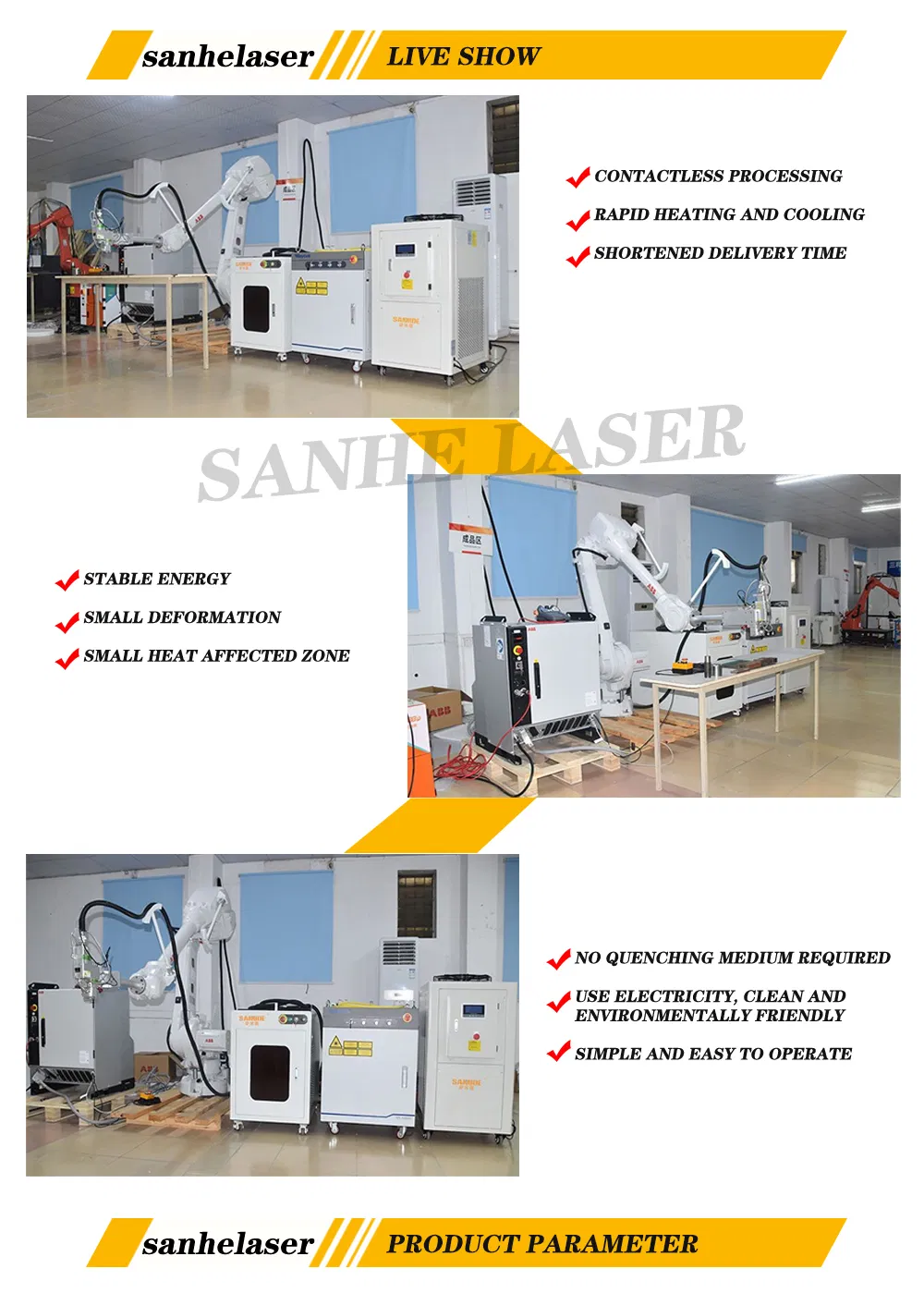
Computer/Robot
Power
3000W
Voltage
380V
Equipment Overview
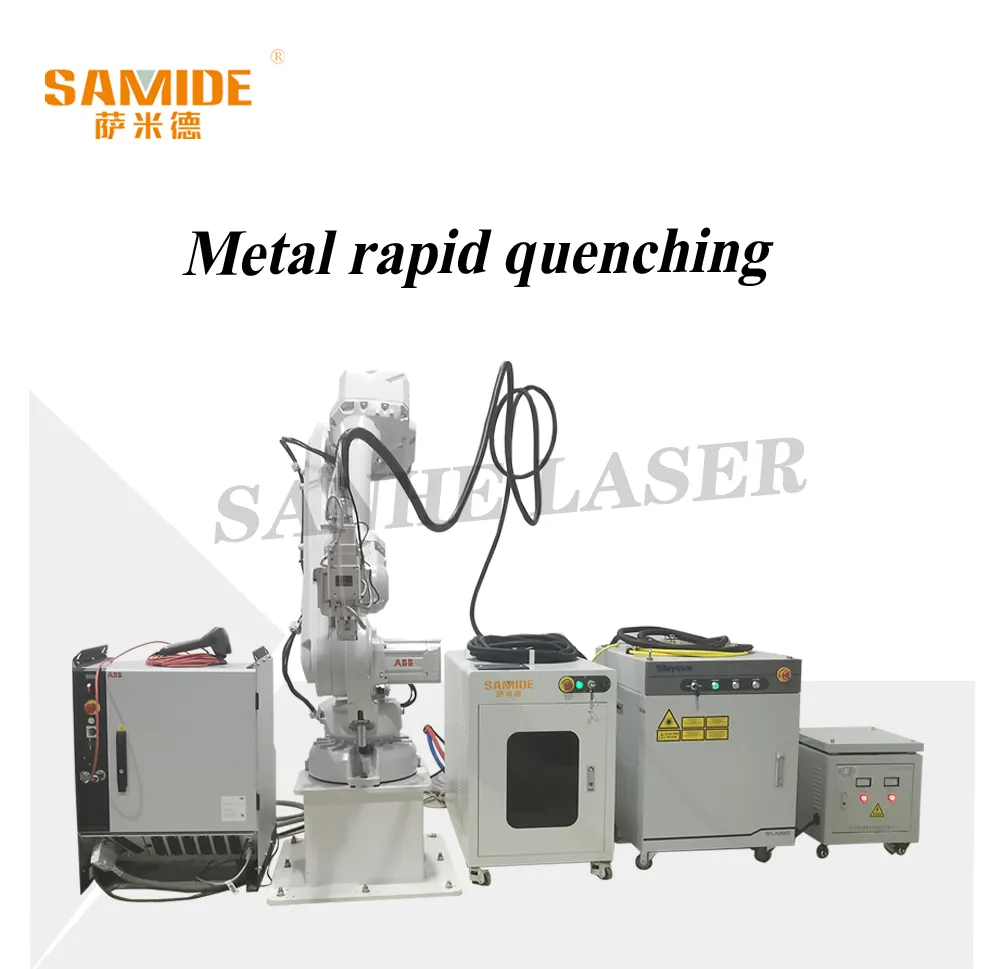
Laser Quenching Machine
Product Description

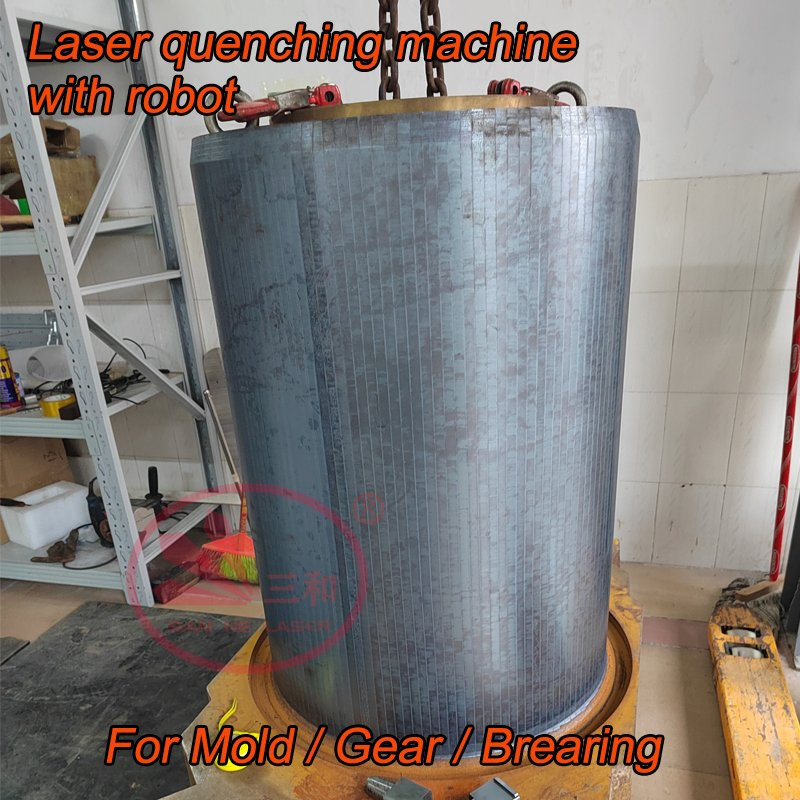
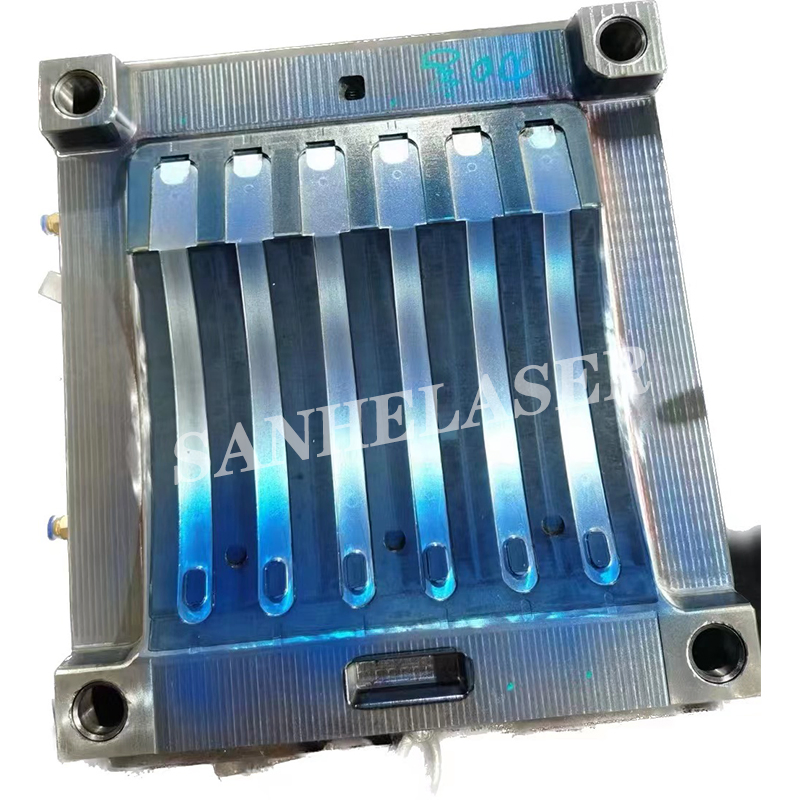
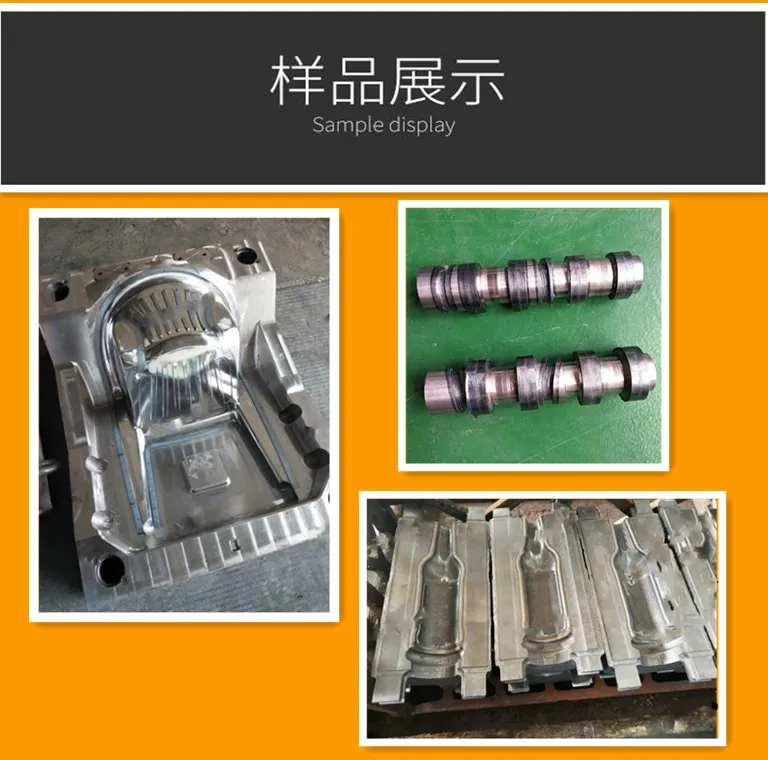
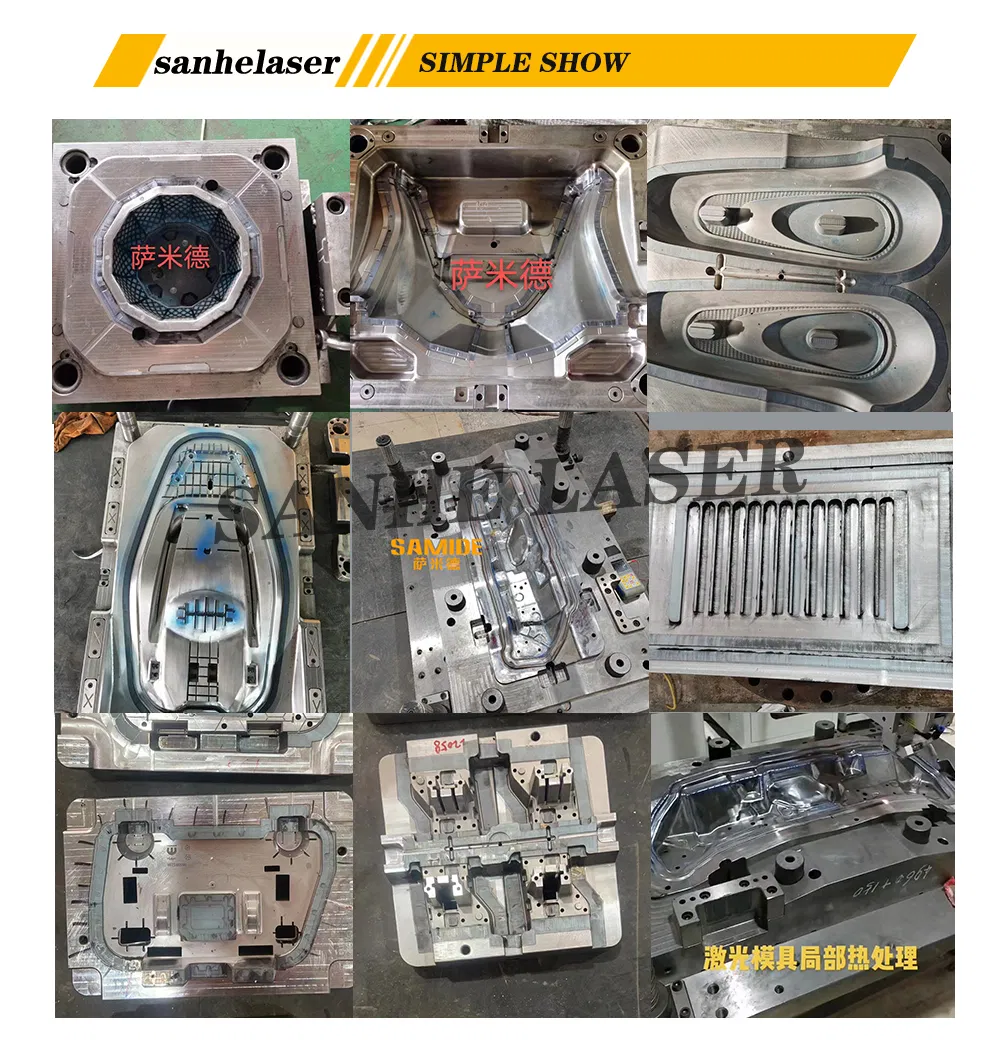
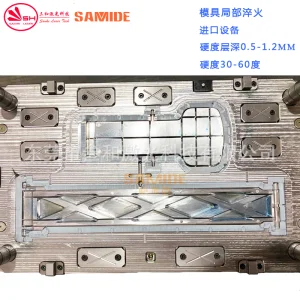
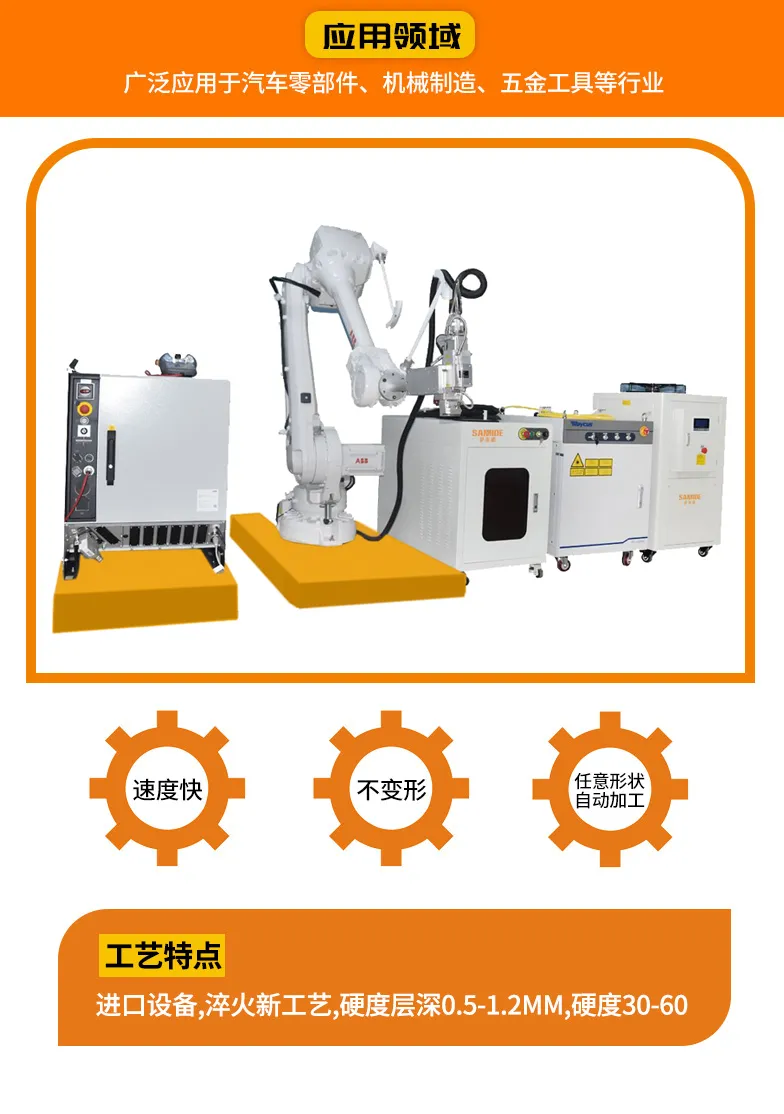
Laser quenching is a sophisticated hardening technique that utilizes a laser to heat the surface of a material above its phase transition point. Upon cooling, austenite transforms into martensite, effectively hardening the surface. This technology is ideal for strengthening guide rails, large gears, journals, cylinder walls, molds, and rollers. It is particularly suitable for medium to high carbon steel and cast iron.
Hardening Process 1
Hardening Process 2
Hardening Process 3
Laser Head Detail
Technical Parameters
Laser Source Parameters
Wave Length (nm)915±10
Output Unstability (%)<3
Rate (Hz)50 ~ 5k
Red Light Point Power (mW)0.25 ~ 1
Laser Head Parameters
Fiber Core (μm)600
Fiber Length (m)20
Min Bend Semidiameter (mm)≥400
Electronic & Physical Parameters
VoltageAC380V±38V, 50/60Hz
Power Consumption22KW
Size (W×H×D) (mm)650 × 950 × 980
CoolingWater Cooling
Technical Specs Chart
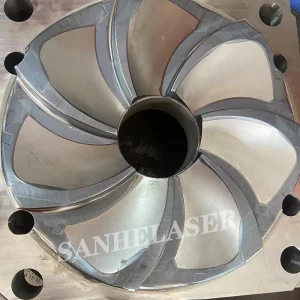
Processing Samples
Sample 1
Sample 2
Key Advantages
  • No deformation: The fast thermal cycling process ensures the structural integrity of the parts.
  • Surface Preservation: Minimal impact on surface roughness; uses protective anti-oxidation coating.
  • Precision Quenching: Quantitative CNC control allows for accurate local, groove, and spot hardening.
  • Eco-Friendly: Clean, efficient process that requires no oil or water cooling media for the material itself.
  • Superior Hardness: Higher quenching hardness compared to conventional methods with a fine microstructure.
  • Hardened Layer Depth: Typically ranges from 0.3mm to 1.5mm depending on the material.
Detailed Feature 1
Detailed Feature 2
Frequently Asked Questions
What is the primary benefit of laser quenching over traditional methods?
The main advantages are minimal part deformation, higher surface hardness, and a fine microstructure that improves strength and toughness.
Which materials are best suited for this machine?
It is ideal for medium to high carbon steel, cast iron, and various alloy steels used in molds and heavy machinery.
Does the process require any cooling medium like oil or water?
No, laser quenching is a self-excited cooling process. It does not require water or oil quenching media, making it a green and pollution-free heat treatment.
What is the typical depth of the hardened layer?
Depending on the material and settings, the hardened layer depth generally ranges from 0.3mm to 1.5mm.
Can it handle complex shapes like grooves or local spots?
Yes, the CNC control and small laser beam divergence allow for extremely precise local quenching on grooves, holes, and specific surface areas.
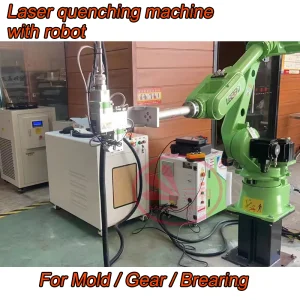
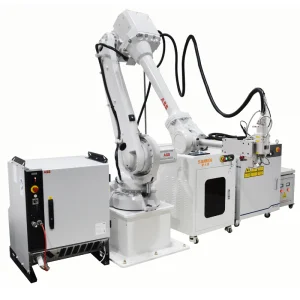
Is the machine compatible with robotic arms?
Yes, the system supports computer and robot control (such as ABB arms) for automated, high-precision industrial applications.

Related Products