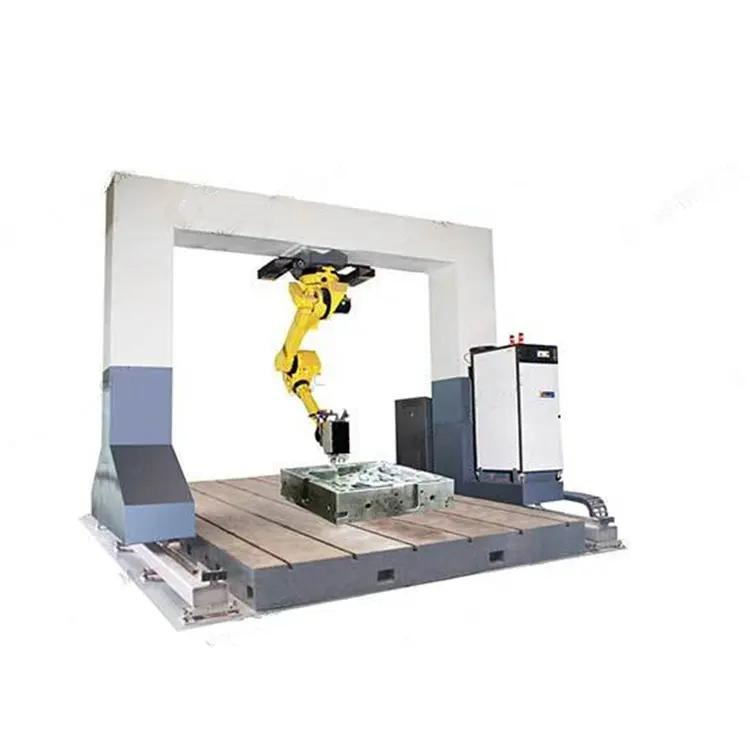
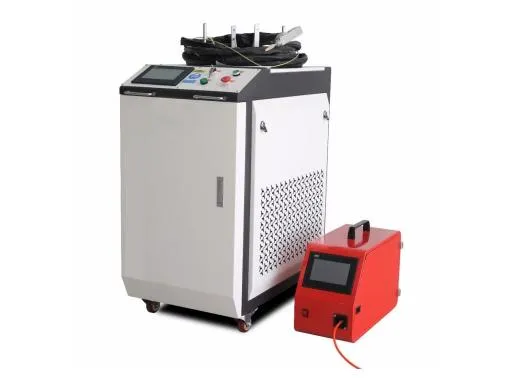
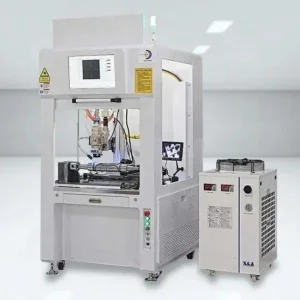
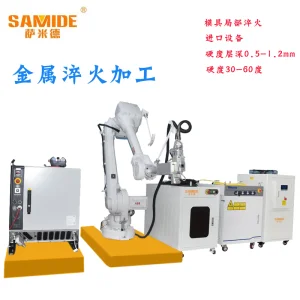
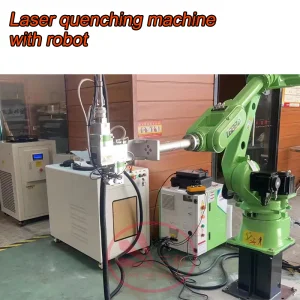
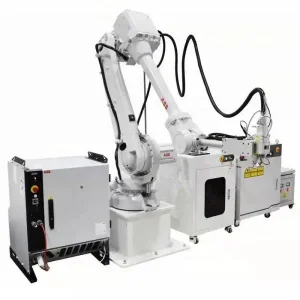
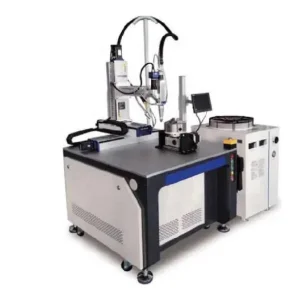
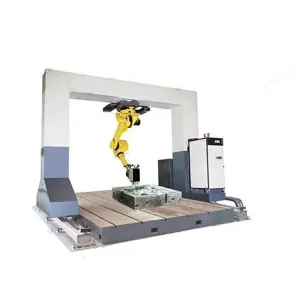
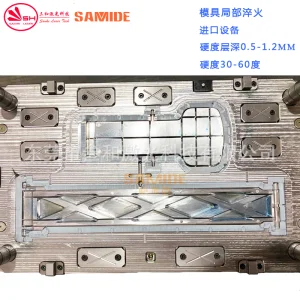
Hot Sale Laser Molds Hardening Machine High Efficiency Molds Laser Hardening Machine

Customization: Available
After-sales Service: Provided
Warranty: 1 Year

Product Description

Technical Specifications
Model NO.
SL-A010
Application
Aerospace, Agricultural, Heavy-Duty, Automotive
Automatic Grade
Automatic
Style
Stationary
Technical Class
Continuous Wave Laser
Laser Classification
CO2 Laser
Type
Laser Hardening
Core Diameter
600um/800um/1000um
Center Wavelength
1080(10nm)
HS Code
8479819000
Capacity
100 Sets Per Month
Spec.
1450*1450*1500CM
Product Description
Laser Molds Hardening Machine
What is Laser Hardening?

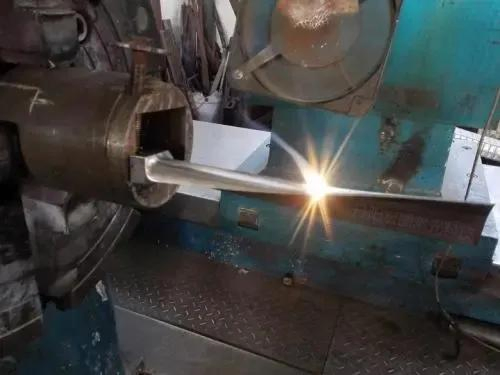
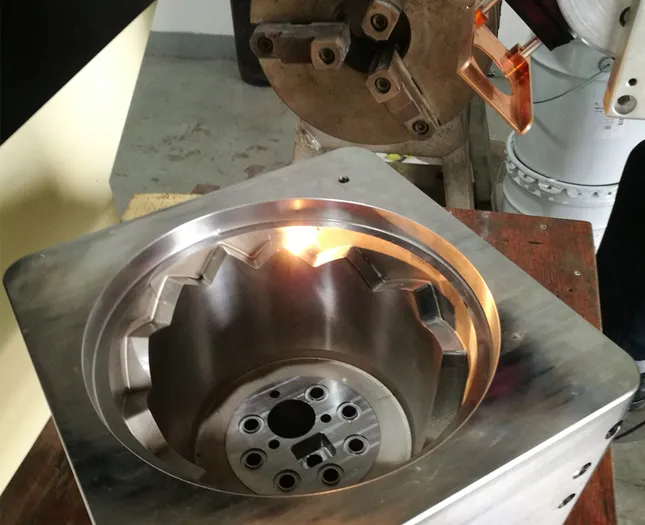
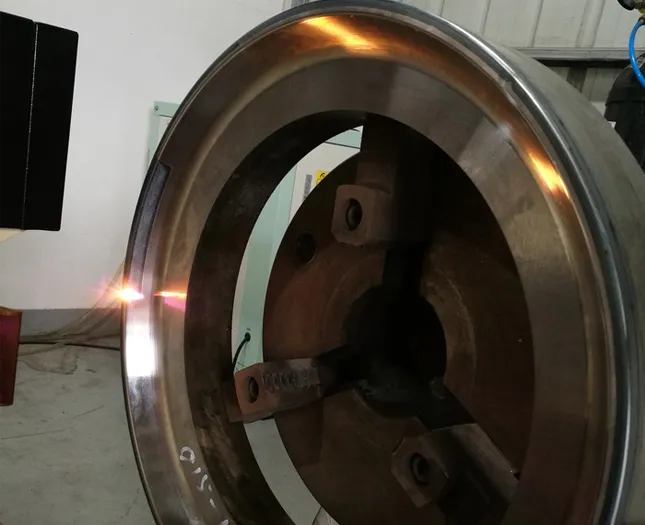
Laser hardening is a cutting-edge surface treatment technology that uses a high-energy laser beam to heat the material's surface above the phase transition point. As the material self-cools, austenite transforms into martensite, resulting in significant surface hardening.

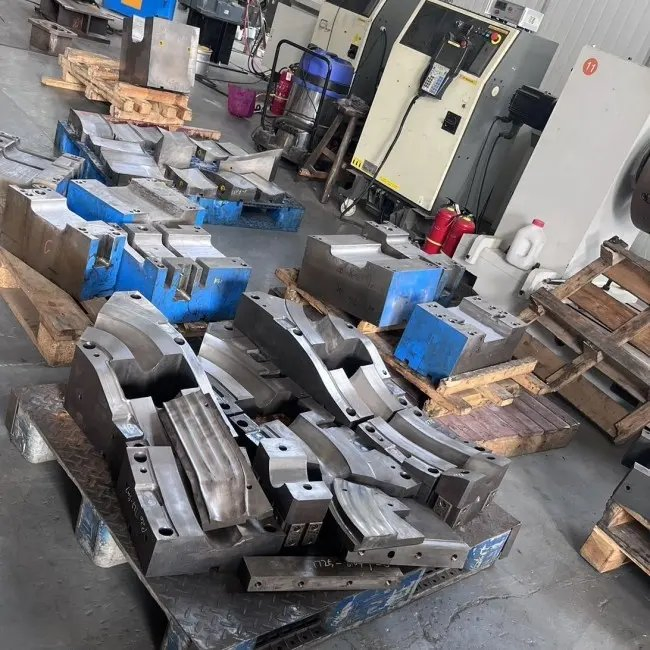
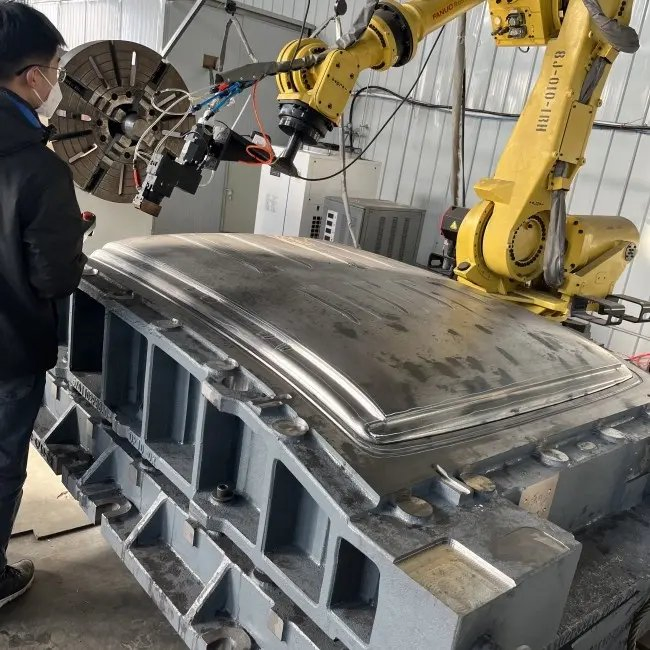
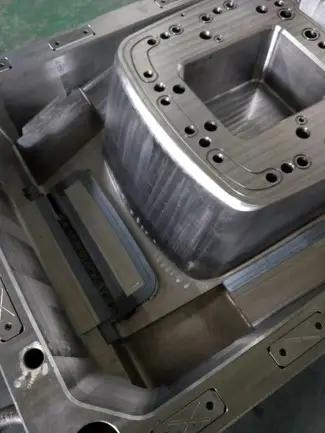
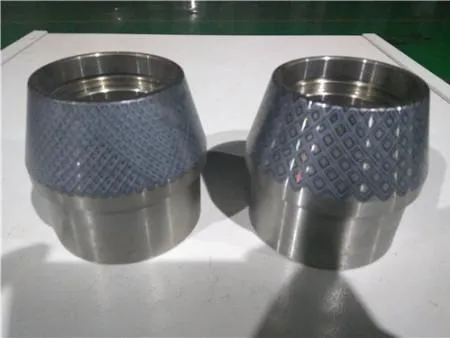
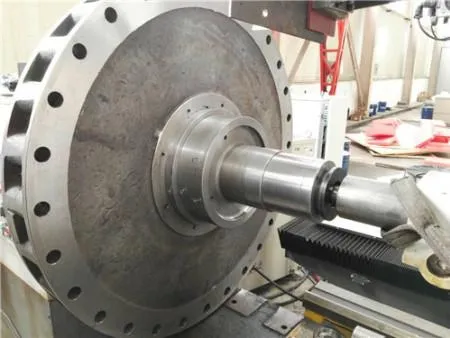
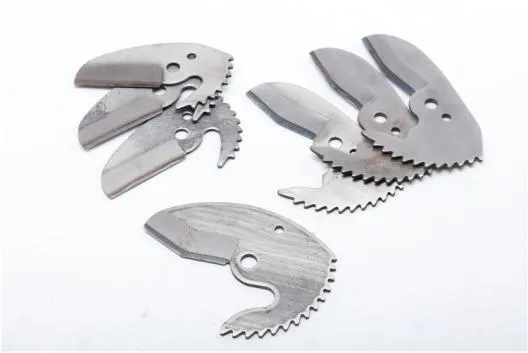
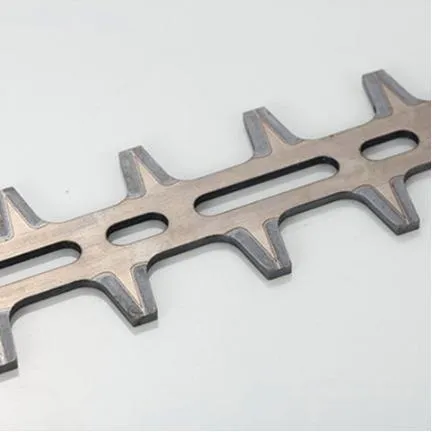
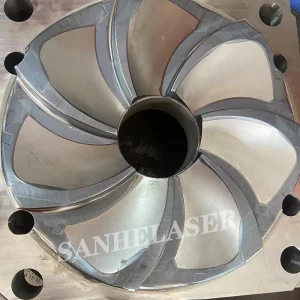
This technology is widely used for treating cutting tools, molds, engine pistons, crankshafts, transmission gears, turbochargers, bearings, and valves to enhance wear resistance, corrosion resistance, and overall service life.
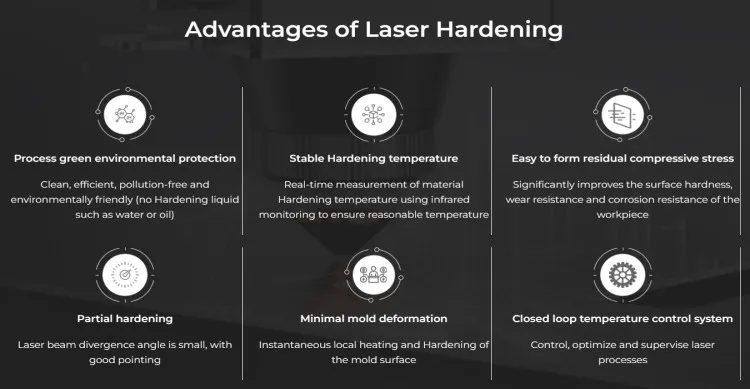
Efficiency Molds Laser Hardening
Main Components
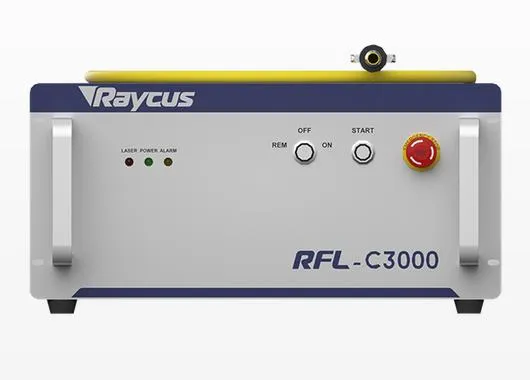
Laser Source
Laser Source Laser power: 10~ 3000W continuously adjustable, QBH interface, core diameter 600um, length 20m.
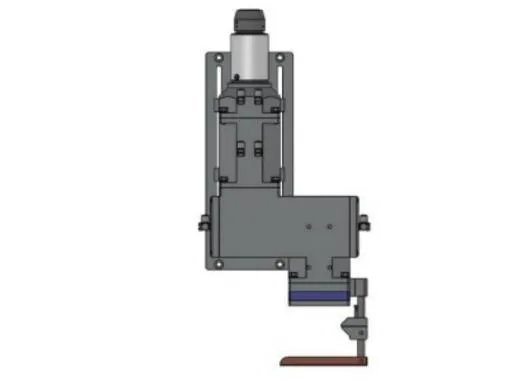
Laser Head
Laser Head 1. Collimation focal length: 100mm, focusing focal length: 300mm
2. Applicable wavelength: 900-1100nm
3. Powder feeding nozzle with water-cooled base
4. Optical fiber interface: QBH
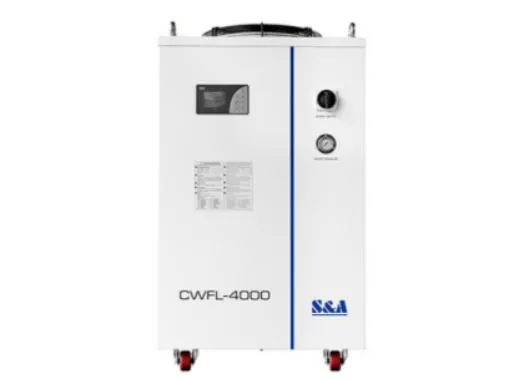
Chiller
Chiller Dual temperature control system provides precision cooling for lasers, machining heads, and optical fibers.
PLC Control
PLC General Control System Integrated control for laser, water cooler, and protective gas. Features robot interface programming for automated operation.
Technical Parameters
Item Spec. Description Qty.
Laser 2000W 10~1500W continuously adjustable 1 set
Fiber system 600μm Core diameter 600 m, length 15m 1 set
Laser collimating head TS-Q100 100mm collimating, 300mm focusing 1 set
Focusing module TS-301P300 Heat treatment consistency management 1 set
Chiller CWFL-2000 Double temperature control water cooling 1 set
4-Axis System TS-Q_SYS XYZ Stroke: 500x400x300mm; Linkage support 1 set
Application Cases
Case Study 1
Case Study 2
Case Study 3
Frequently Asked Questions
What materials are suitable for laser hardening?
It is ideal for medium and high carbon steels, alloy steels, and various types of cast iron commonly used in molds and heavy-duty machinery.
Does laser hardening cause part deformation?
No, because the heat input is highly localized and the cooling is extremely rapid, thermal distortion is minimized compared to traditional flame or induction hardening.
What is the typical hardening depth?
Typically, the hardening depth ranges from 0.3mm to 2.0mm, depending on the material and laser power settings.
Is the process fully automated?
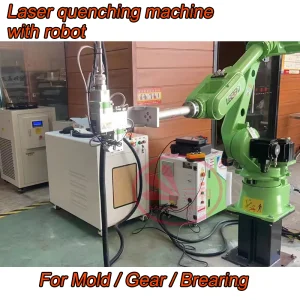
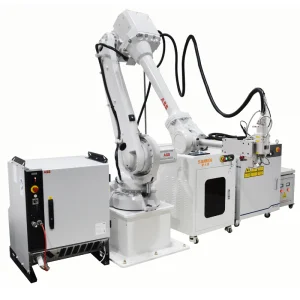
Yes, our systems are equipped with PLC and can be integrated with 4-axis linkage or robotic arms for fully automated, high-precision operation.
How does it improve mold service life?
By creating a dense martensitic structure on the surface, it significantly increases hardness and wear resistance, often doubling or tripling the mold's operational life.
Does it require an external quenching medium like oil or water?
In most cases, no. The bulk of the material acts as a heat sink, providing "self-quenching" due to the rapid conduction of heat away from the surface.

Related Products