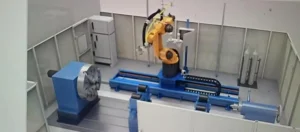
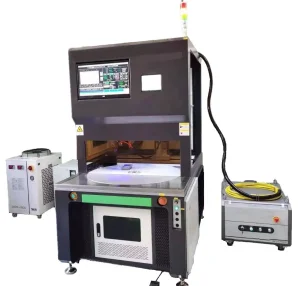
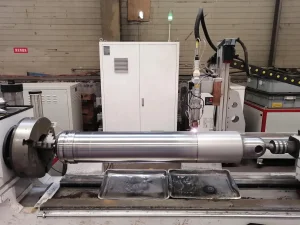
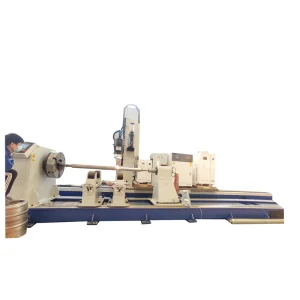
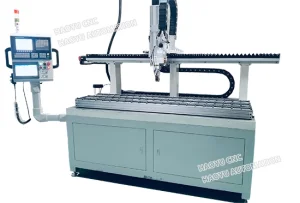
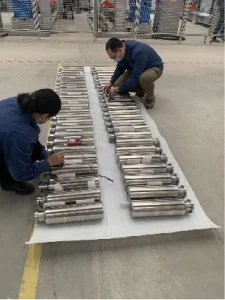
Discover our top-tier additive manufacturing configurations, designed to support rigorous metallurgy standards and high efficiency.
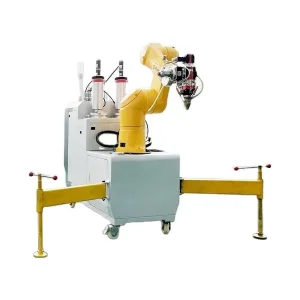
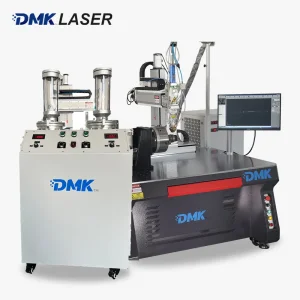
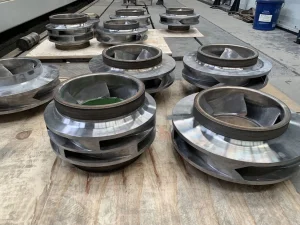
Laser cladding, or laser metal deposition (LMD), represents the pinnacle of surface repair and additive refinement. Unlike traditional thermal spraying or arc welding processes, laser cladding delivers a focused, high-density energy beam that melts a precise depth of the base material alongside a simultaneously delivered metal powder or wire feed. This results in an metallurgical bond of exceptional quality, marked by minimal dilution rates (typically less than 5%) and an extremely small heat-affected zone (HAZ).
For modern heavy machinery operations, this shift is revolutionary. High-stress elements like drilling assemblies, turbine rotors, hydraulic rods, and steel processing rolls require custom hardness matrices to withstand extreme abrasion, cavitation, and thermal shock. The ability to precisely deposit wear-resistant overlays—ranging from cobalt-based alloys (such as Stellite) and iron-based alloys to tungsten-carbide matrix composites—without altering the mechanical qualities of the structural substrate constitutes the ultimate defense against mechanical degradation.
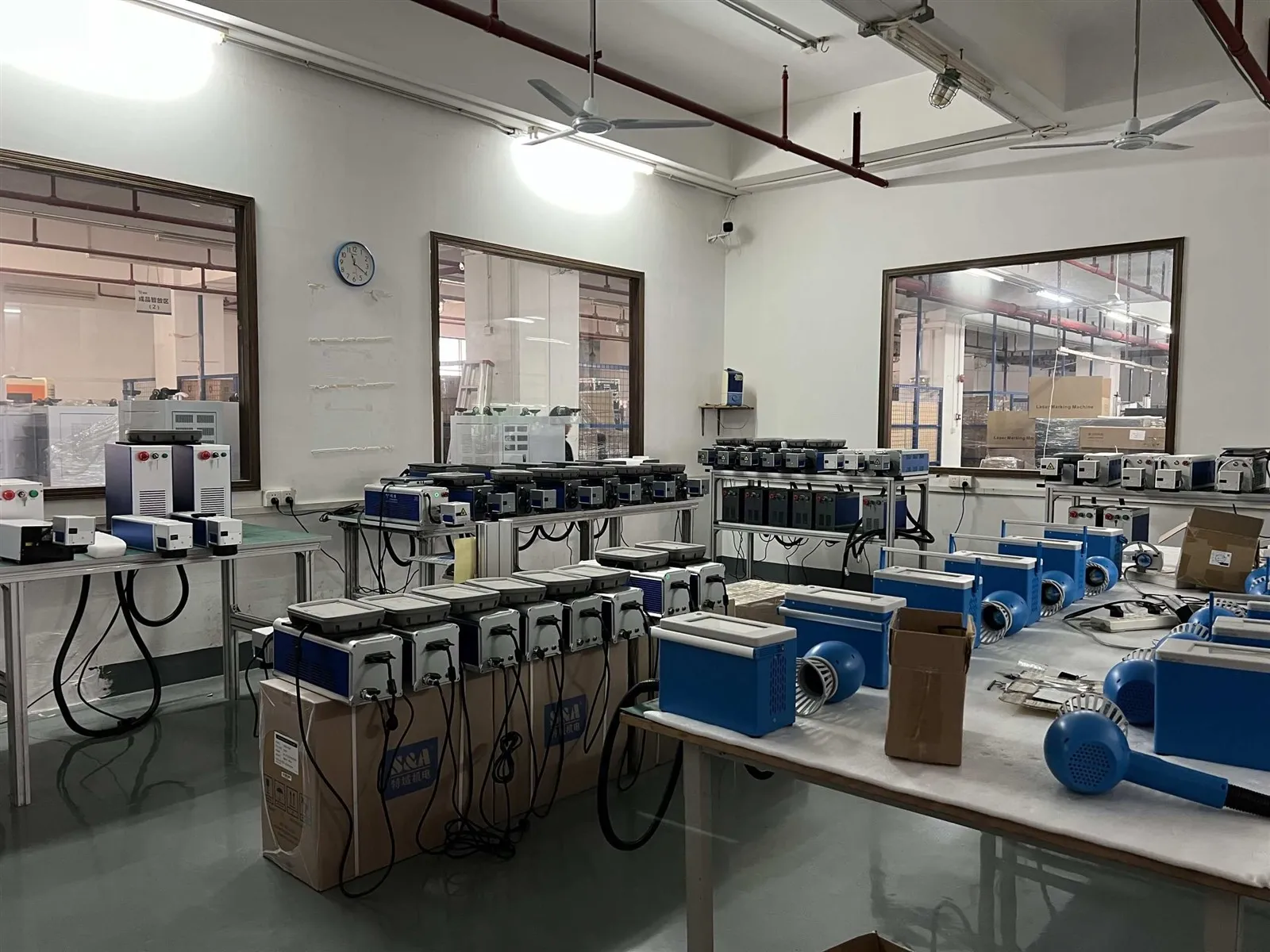
Analyzing the strategic demands driving large-scale automation, material efficiency, and environmental transitions across worldwide manufacturing sectors.
Processing highly reflective substrates like copper alloys and aerospace-grade aluminum requires specialized back-reflection protection systems. Advanced laser modules now employ tailored optical Isolators to maintain stability during intense feedback events.
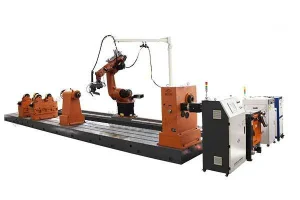
Modern applications demand transition from standard linear cladding to multi-axis 3D environments. Real-time pathing driven by 6-axis articulated robotic arms combined with 2-axis tilt-turn positioners allows continuous clads around intricate spatial geometries.
Compared to hard chrome plating, which is highly regulated due to toxic hexavalent chromium emissions, laser cladding is an environmentally friendly alternative. It helps heavy industrial manufacturers satisfy strict EPA and REACH compliance goals.
How leading global enterprises utilize specialized cladding configurations to resolve structural and surface challenges across core application frameworks.
Challenge: Corrosive sulfur compounds, high-pressure brine environments, and abrasive sediment dynamics rapidly degrade pump plungers, drill collars, and downhole components.
Solution: Automated internal-bore cladding systems depositing high-performance nickel-based superalloys (Inconel 625) and customized cobalt matrices, increasing operational lifespans up to five-fold.
Challenge: Constant high impact, severe gouging abrasion, and torsional strain on dump truck shock absorbers, hydraulic cylinders, and excavator tooth profiles.
Solution: Extra-durable iron-based wear plates and high-speed robotic laser deposition with tungsten carbide distributions to withstand immense mechanical friction.
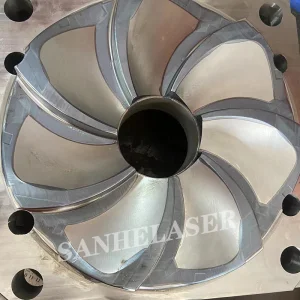
Challenge: Extreme high-temperature oxidation, thermal fatigue cracking, and steam cavitation on gas turbine rotor blades and hydroelectric impeller profiles.
Solution: High-precision multi-axis fiber cladding systems combined with integrated laser quenching/hardening techniques to improve structural resilience under severe thermal fluctuations.
Founded in Shenzhen, China, Shenzhen Zico Machine Co., Ltd. (ZICO) is a professional manufacturer and global supplier of advanced industrial machinery and intelligent production solutions. With years of experience in the design, development, manufacturing, and export of industrial equipment, ZICO has established a strong reputation for delivering reliable, efficient, and innovative machinery to customers worldwide.
Headquartered in Shenzhen, one of China's leading centers for technological innovation and advanced manufacturing, ZICO specializes in the research, production, and sales of high-performance machinery, automated production equipment, and customized industrial solutions. Our products are widely used across various industries, including metal fabrication, construction, automotive components, household appliances, electronics manufacturing, packaging, and industrial processing.
Today, ZICO serves customers in more than 100 countries and regions, providing professional equipment solutions and technical support to thousands of enterprises worldwide. Through continuous technological innovation and a strong commitment to quality, our machines have earned the trust of distributors, manufacturers, and industrial partners across Europe, North America, South America, Southeast Asia, the Middle East, and Africa.
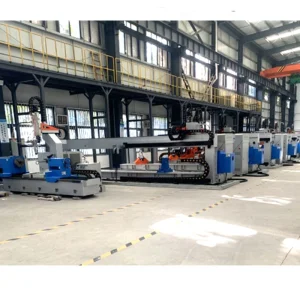
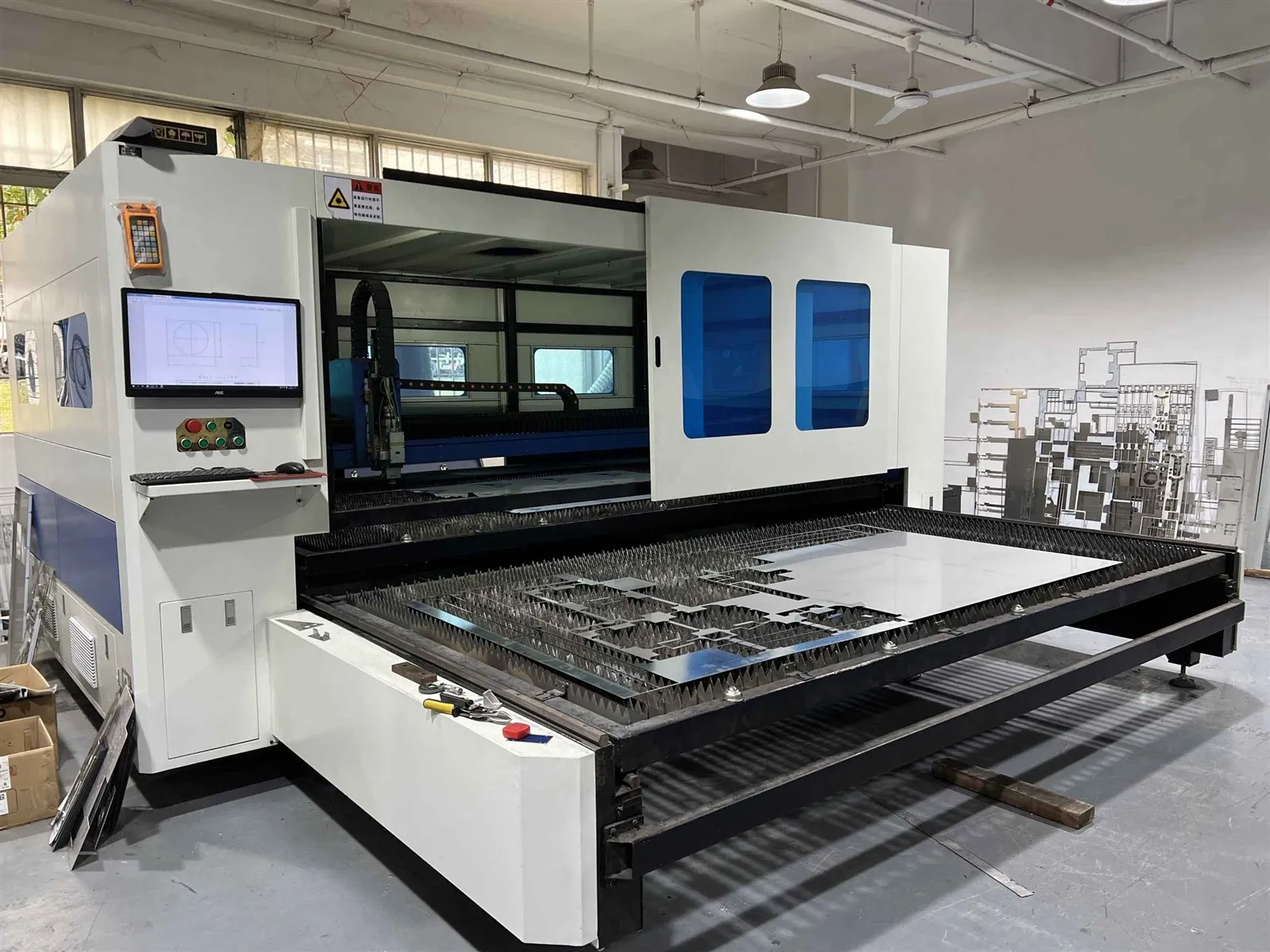
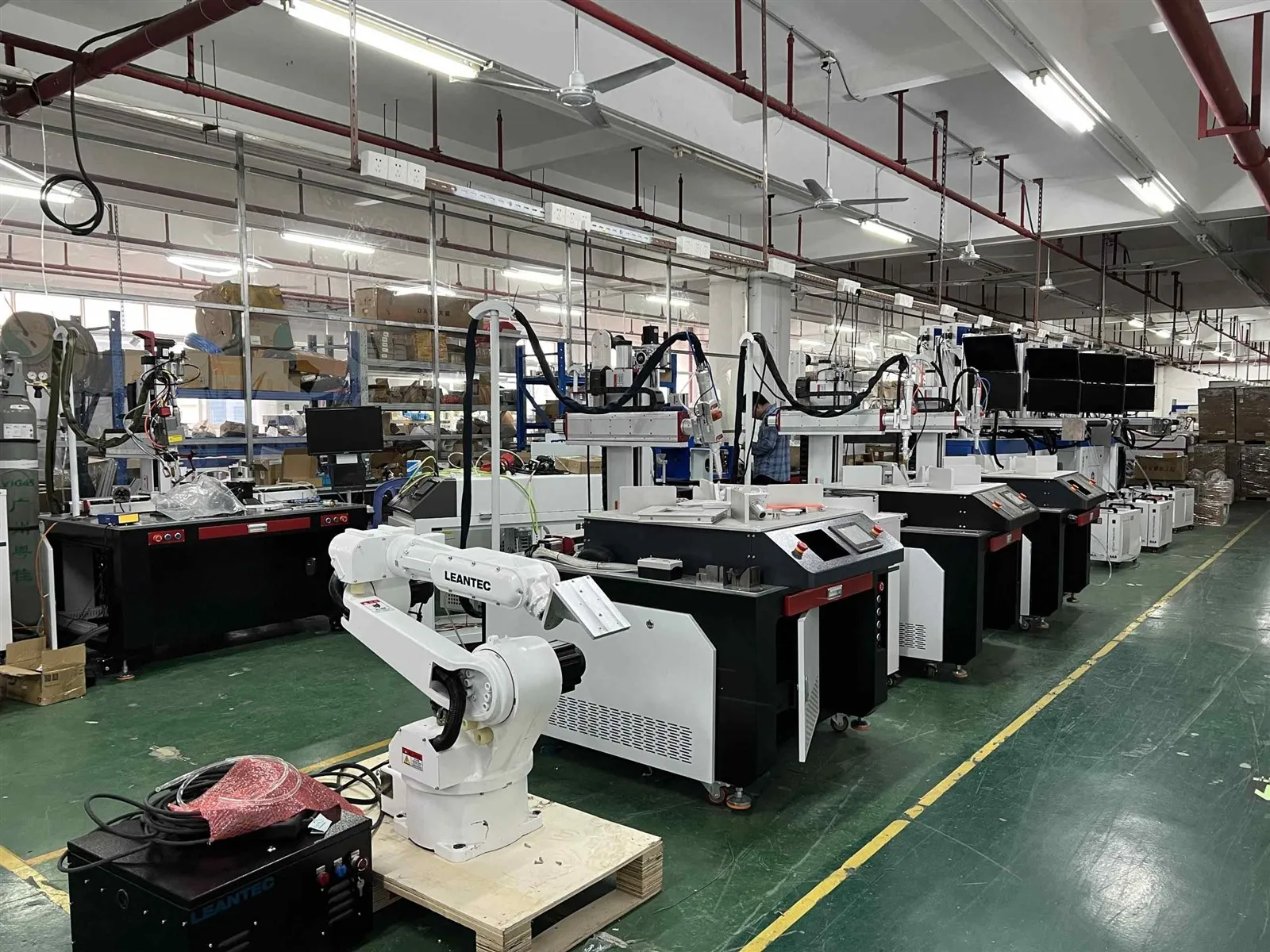
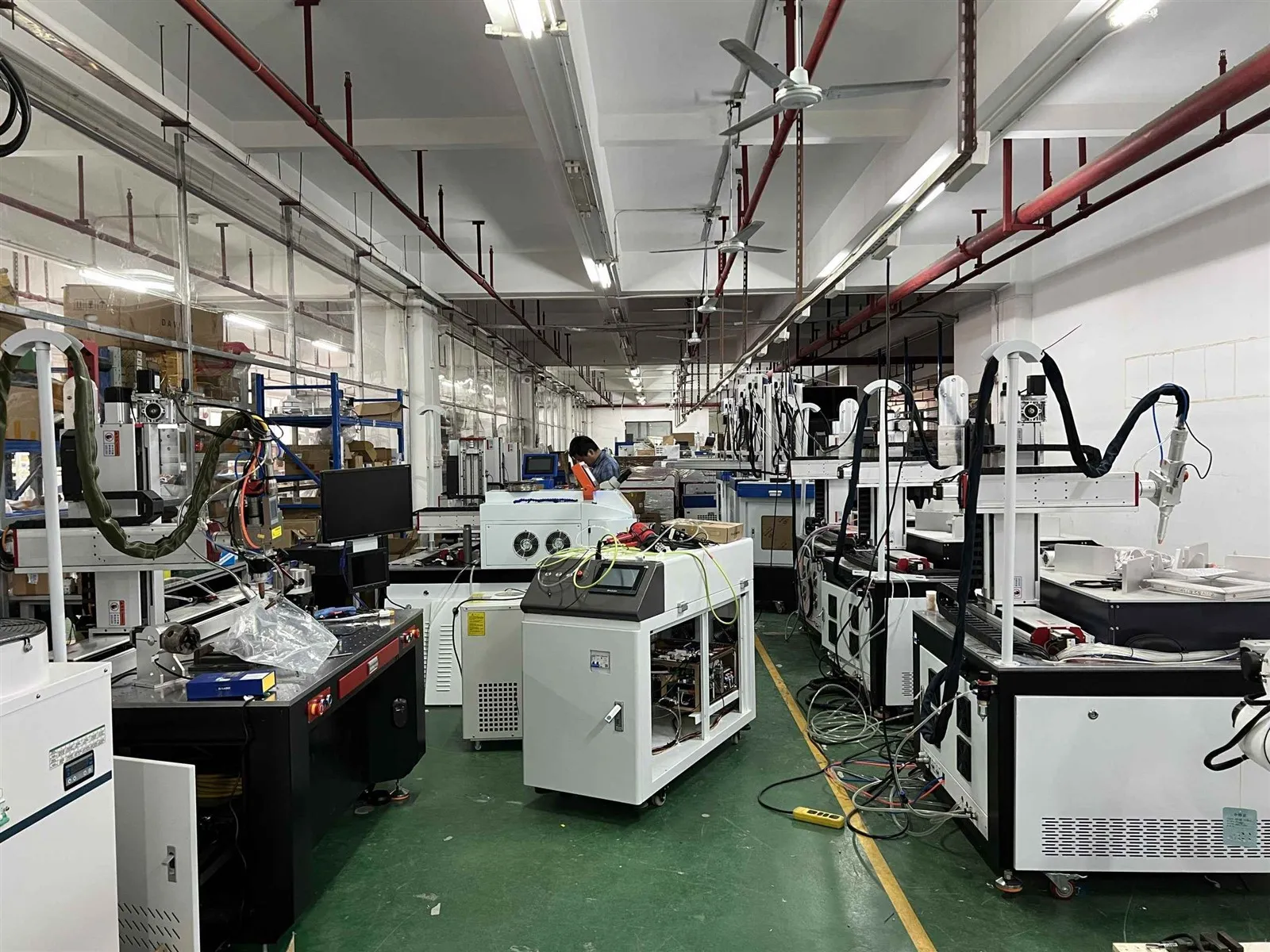
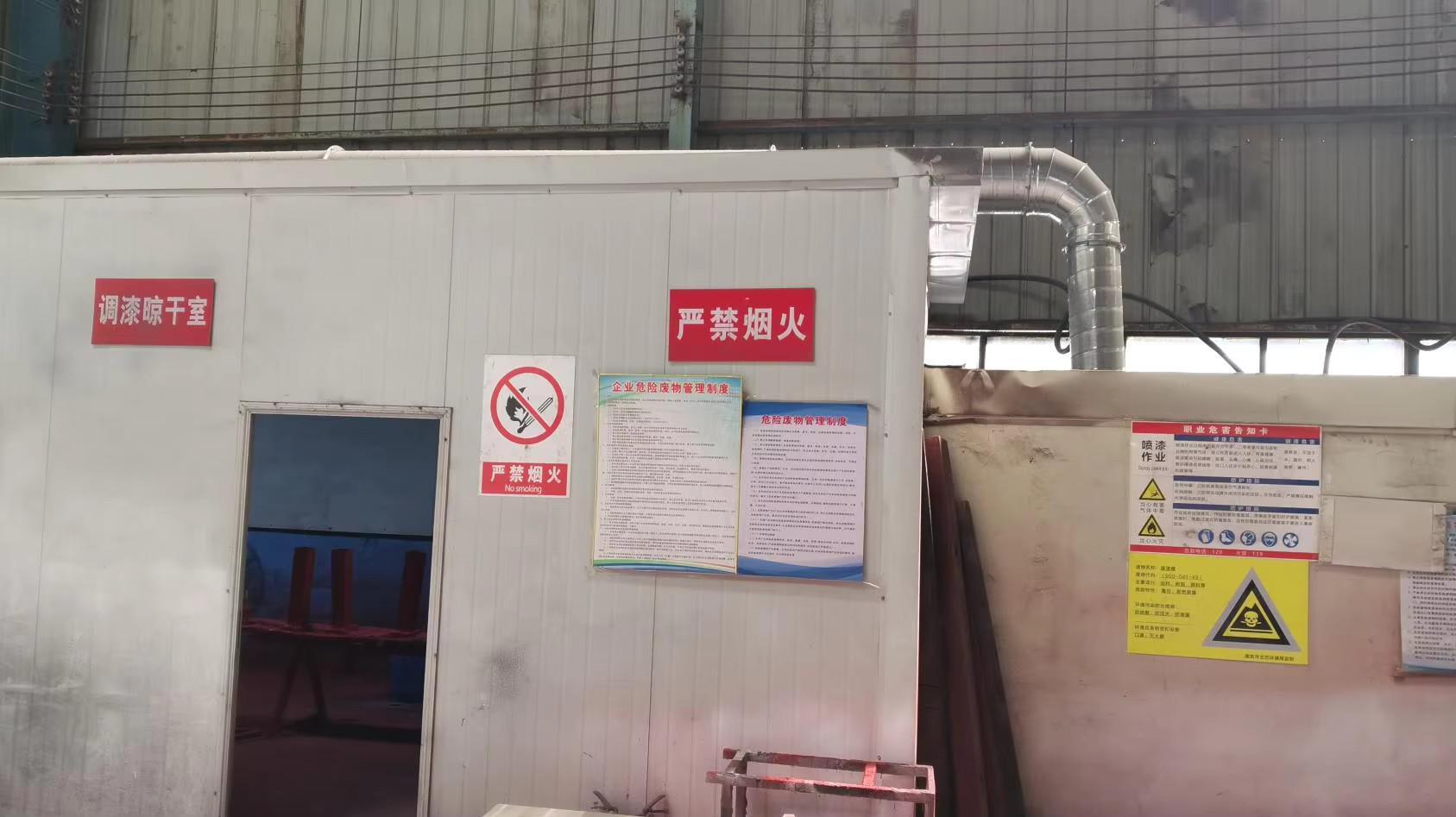
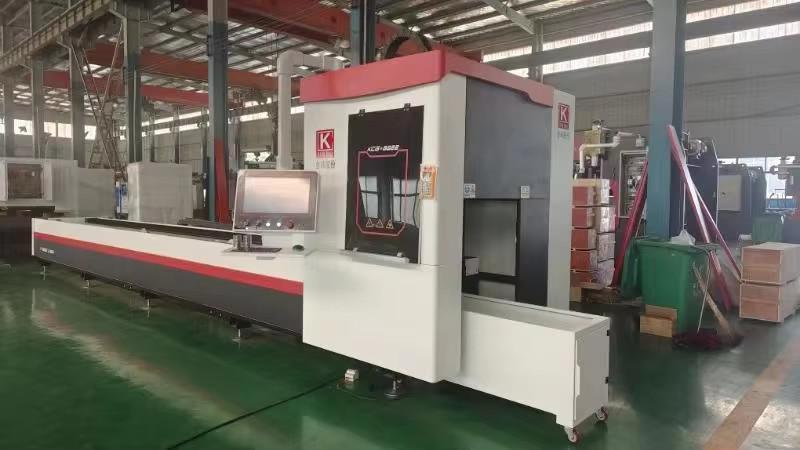
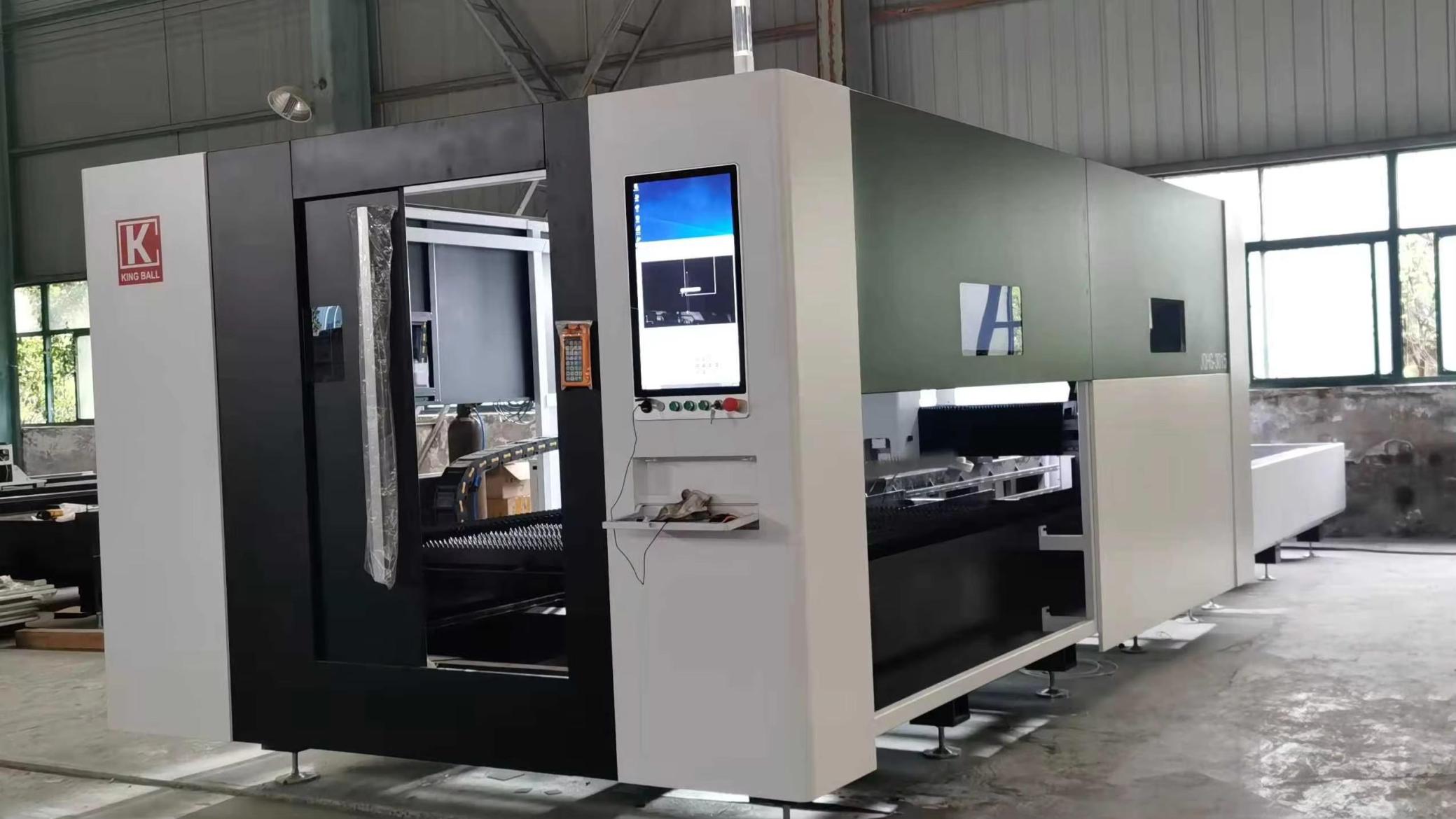
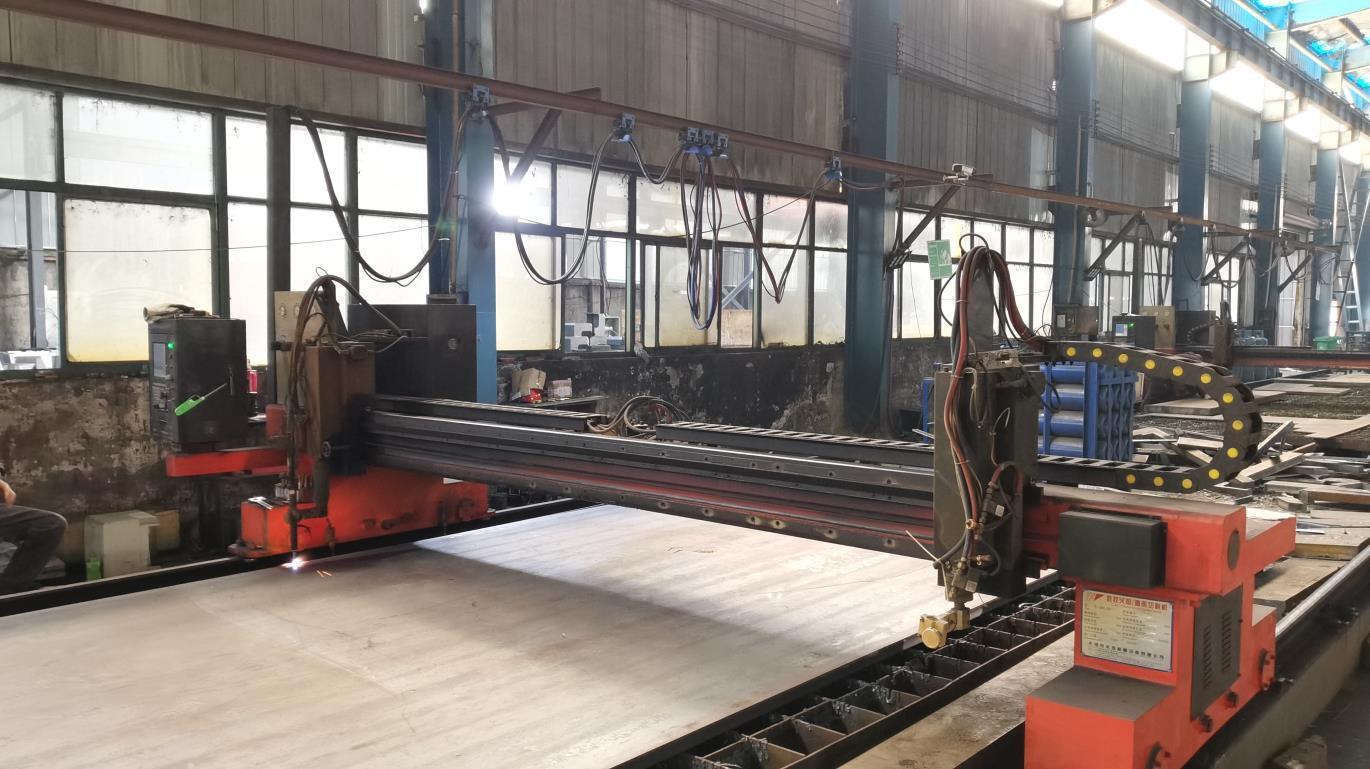
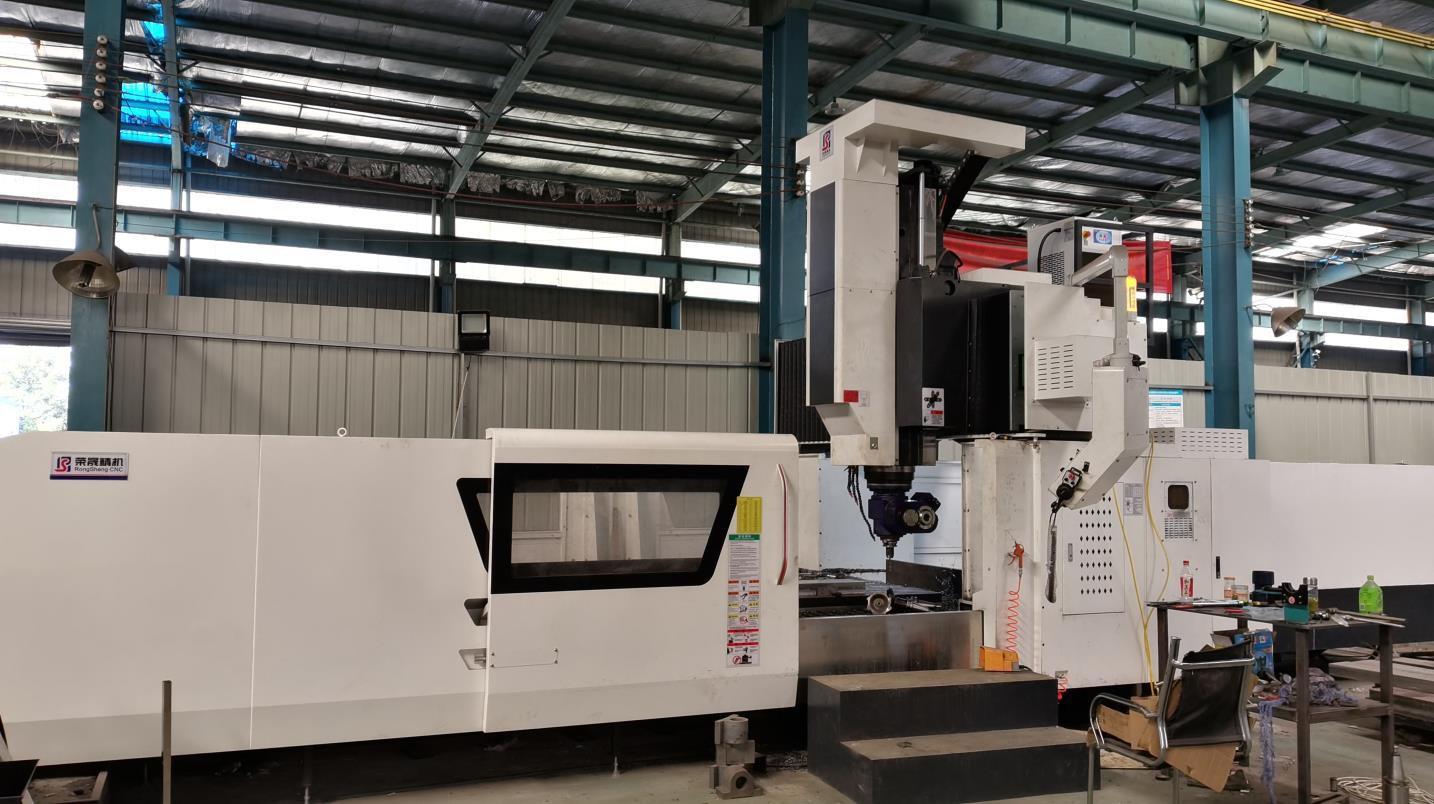
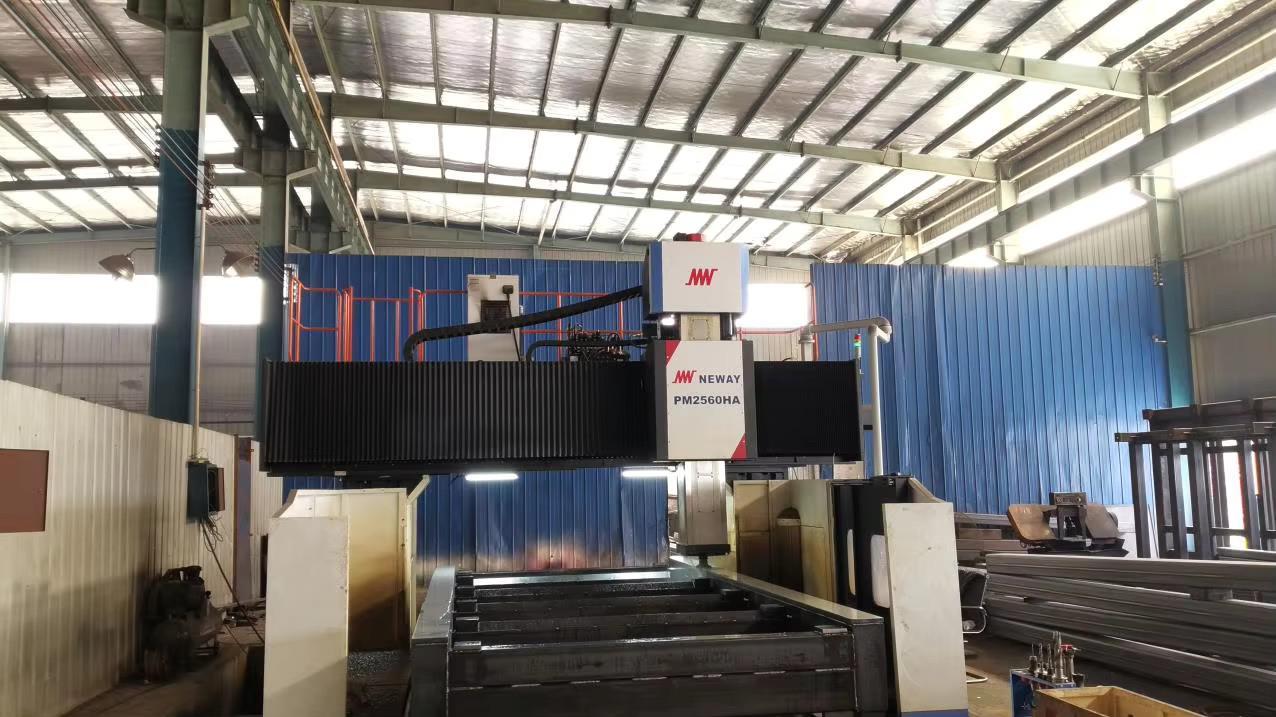
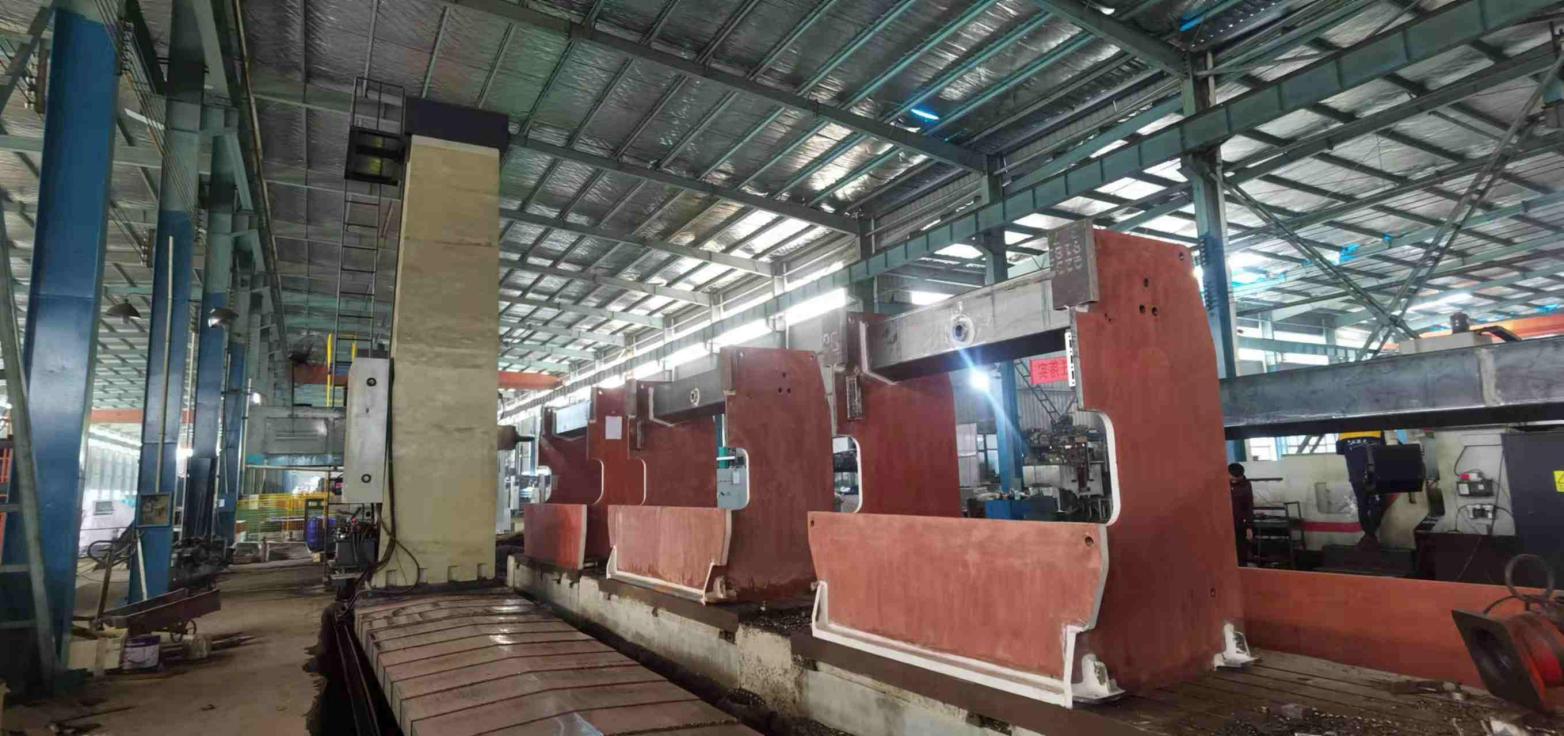
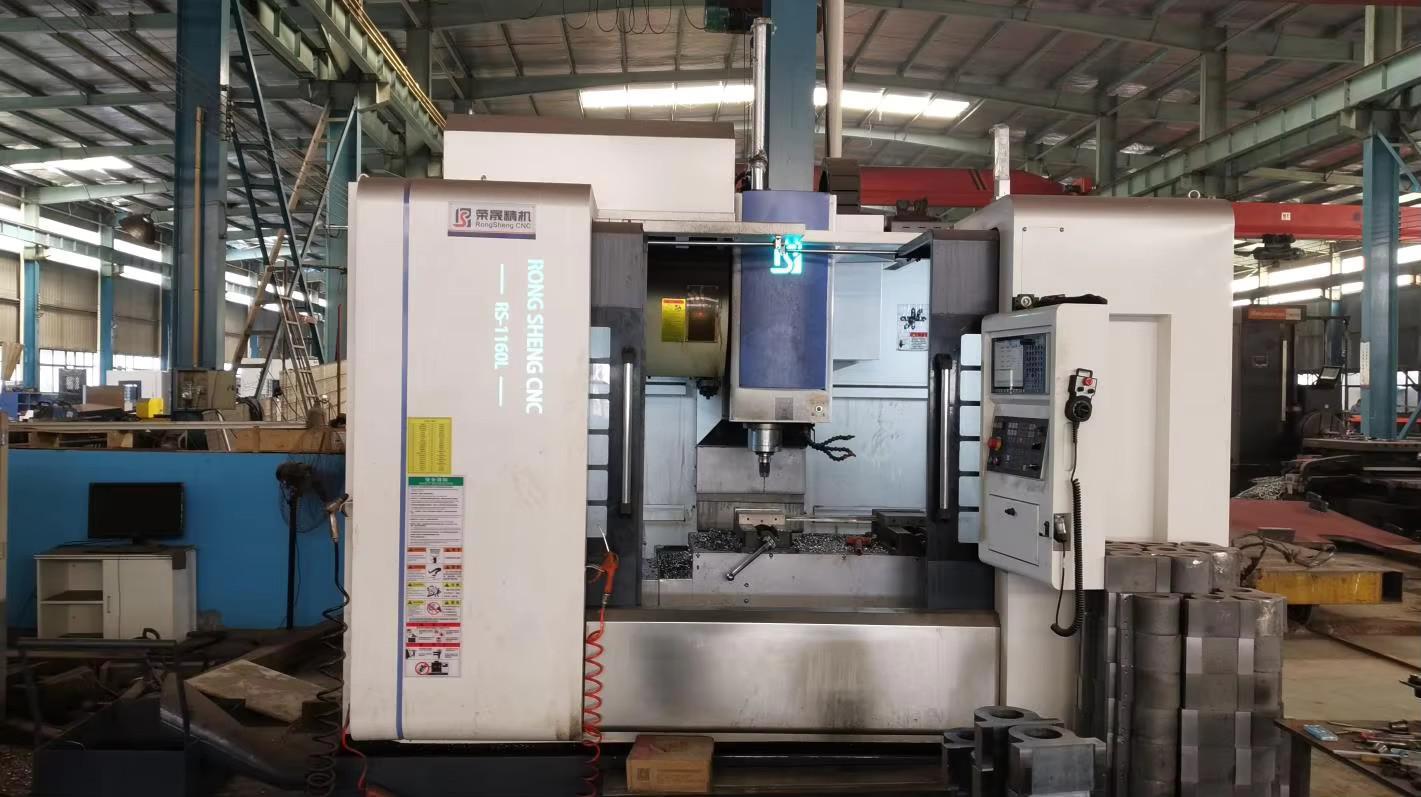
A detailed view of the rigorous engineering phases, machining processes, and assembly routines involved in building our heavy industrial equipment.
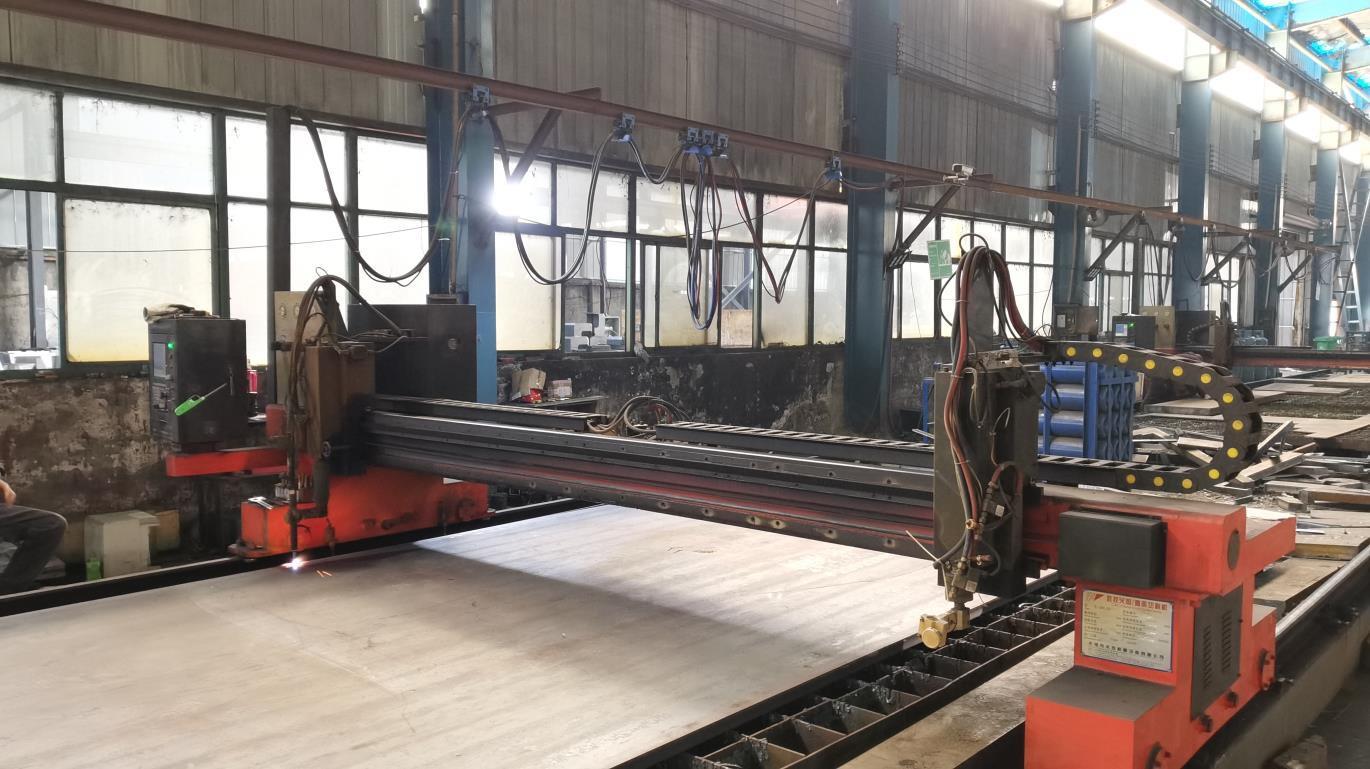
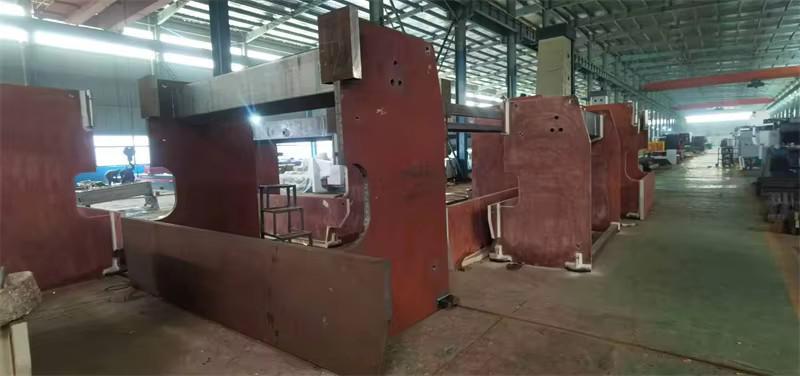
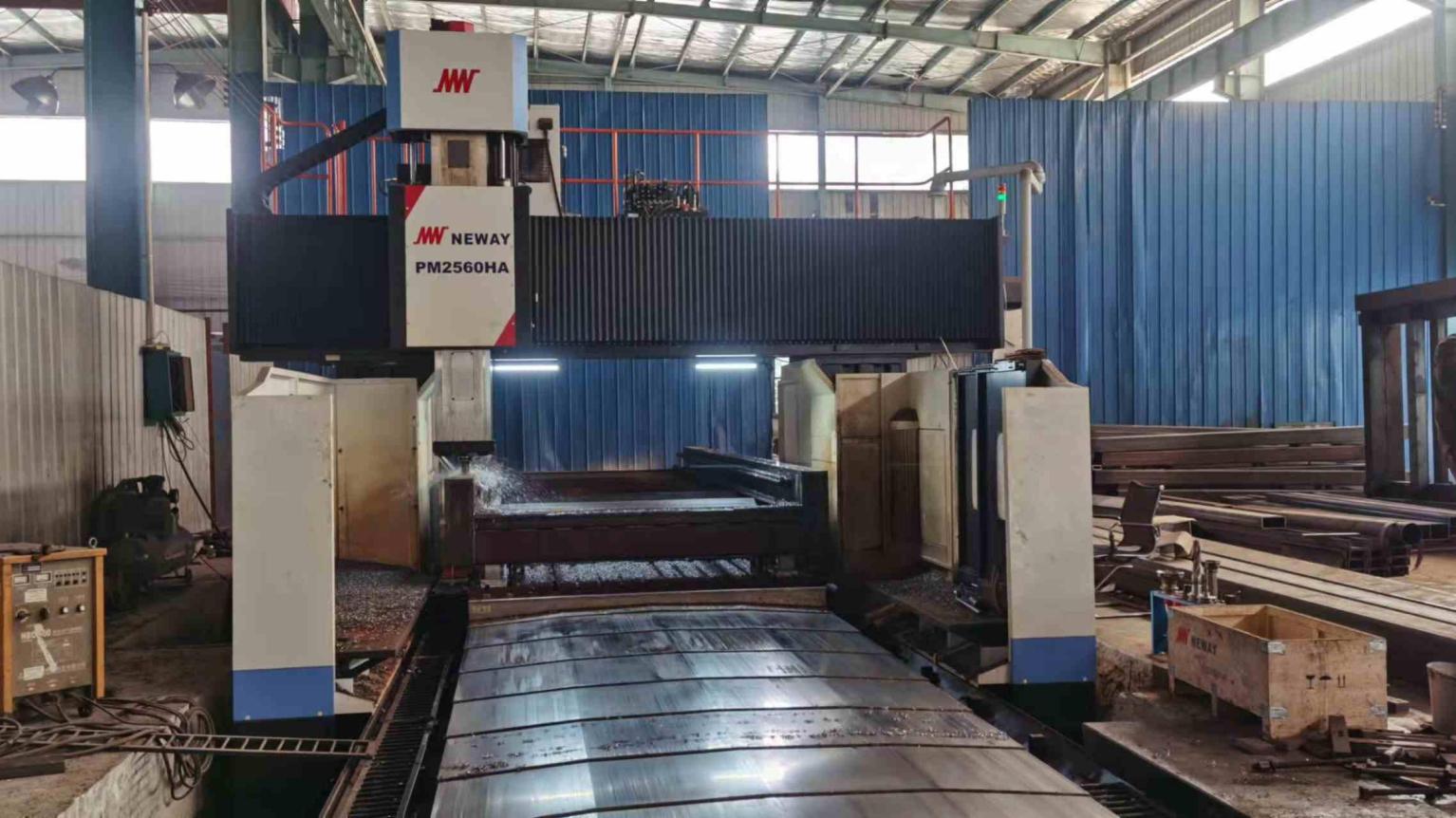
How ZICO is advancing industrial standards through software and hardware development.
Future iterations will feature closed-loop temperature and melt-pool control. Real-time CMOS camera feedback and pyrometers dynamically adjust laser output power on the millisecond scale to maintain consistent track width and melt-pool depth.
By shifting the melting point of the powder to just above the workpiece surface, extreme process speeds up to 100 meters per minute can be reached. This technique produces exceptionally thin layers (20-100 μm) at high surface efficiency rates.
Integrating modular cladding heads, laser heat treatment systems, and CNC milling tools into a unified station allows raw component preparation, deposition, hardening, and precision finishing within a single step.
Shipping complex multi-ton laser machining installations across international borders requires meticulous attention to details. ZICO systems are constructed to fully align with European CE directives, North American UL/CSA standard protocols, and global ISO 9001 frameworks. Every structural laser cell features protective barriers that comply with ANSI Z136.1 and international IEC 60825-1 laser safety standards, preventing secondary radiation exposure.
Our global shipping arrangements ensure that heavy mechanical systems are protected with anti-corrosive vacuum packaging inside sturdy, export-approved wooden crates. This safeguards critical electronic controls and optical components from humidity and vibration during transit. Through partnerships with top global freight forwarders, we deliver equipment safely to ports and factories around the world.
Expert answers to common questions about operating parameters, material selection, and system installation.
In traditional LMD, the injected metal powder meets and melts within the liquid weld pool created on the substrate. High-speed cladding (or EHLA) focuses the laser energy to melt the powder particles before they reach the workpiece. This enables significantly higher process speeds (up to 100m/min) and reduces thermal input into the substrate, allowing for thinner coatings with minimal heat-affected zones.
Processing reflective metals can cause laser back-reflection, which risks damaging diode modules and fiber optics. ZICO systems utilize dedicated optical isolators, angled delivery heads, and specific wavelength options that absorb efficiently into copper and aluminum, preventing back-reflection from reaching the fiber engine.
We provide both coaxial and lateral nozzle configurations, equipped with high-precision powder feeders that utilize dual-chamber pressurized drums. This design ensures highly consistent powder delivery rates within ±1%, preventing material pulsing and ensuring uniform thickness during prolonged cladding operations.
Because the base metal is slightly melted by the laser, the resulting cladding layer forms a true metallurgical bond rather than a mechanical attachment. This produces high shear and tensile bond strengths (exceeding 350-400 MPa depending on the cladding alloy), making the overlay highly resistant to impact and peeling.
ZICO provides complete post-sales support, including on-site system integration, parameter tuning for specific client alloys, and thorough safety training for your operators. We also offer remote diagnostic support to resolve programming and optimization questions quickly.
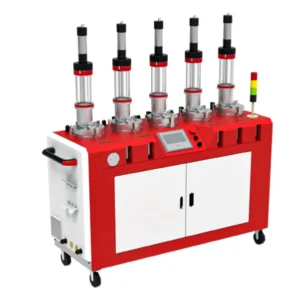
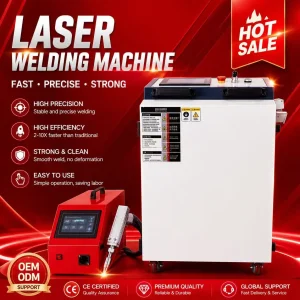
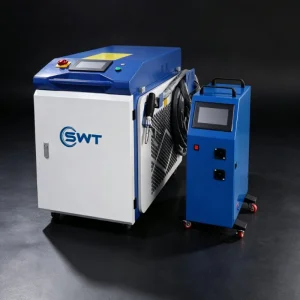
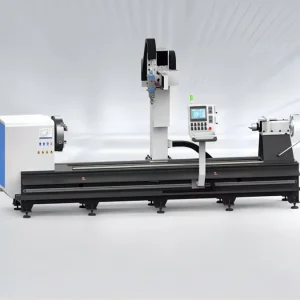
Explore our additional high-capacity industrial machines, featuring multi-axis configurations and robotic integrations.
 Zico Machine