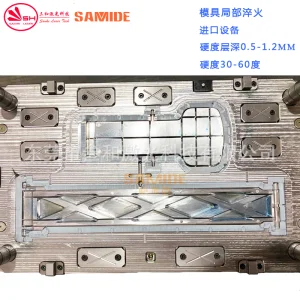
Basic Information
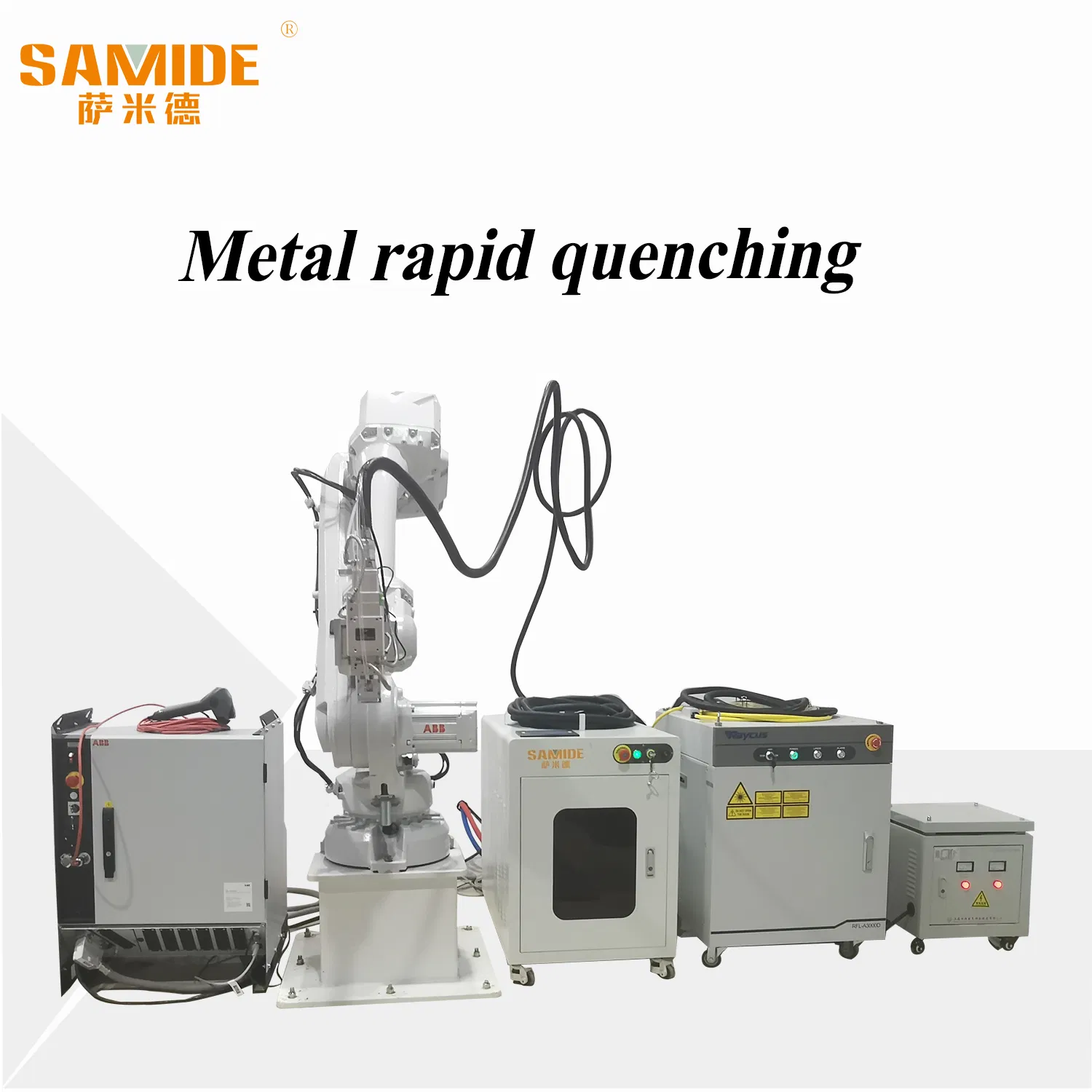
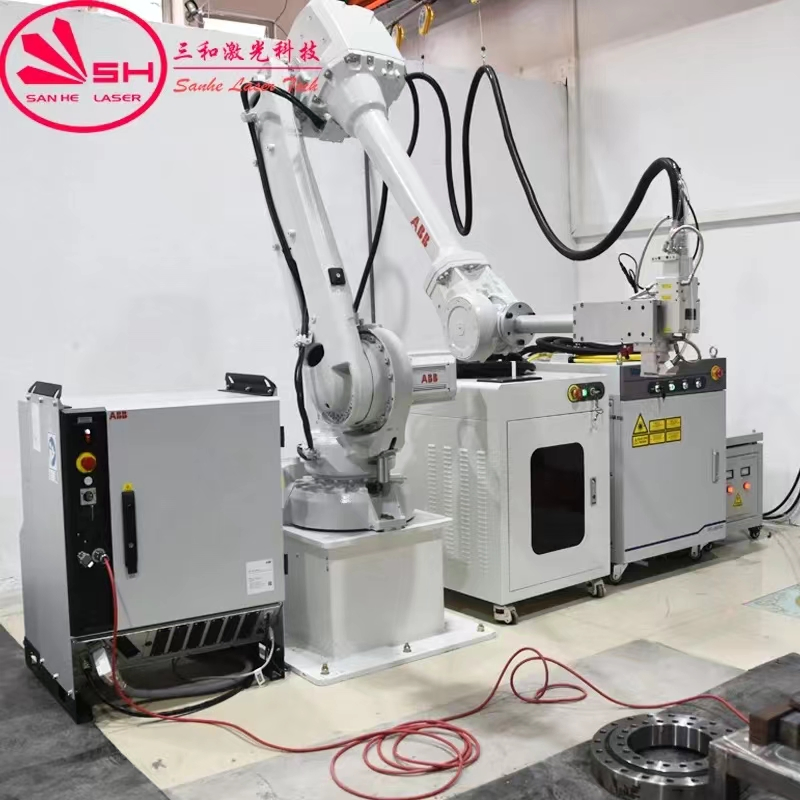
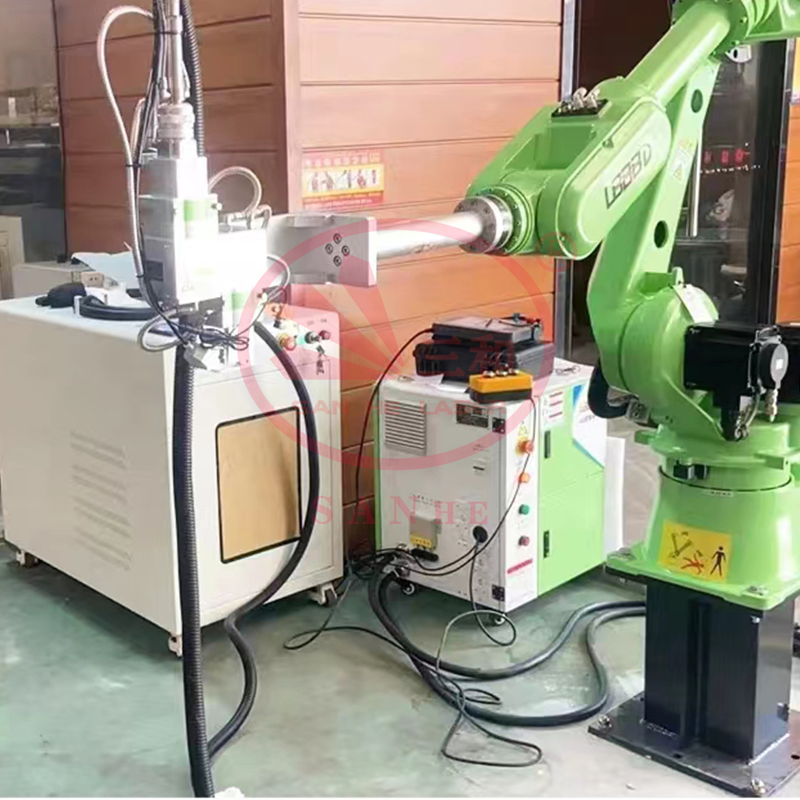
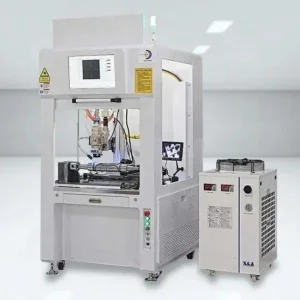
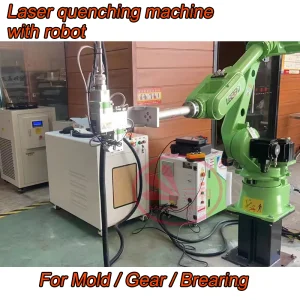
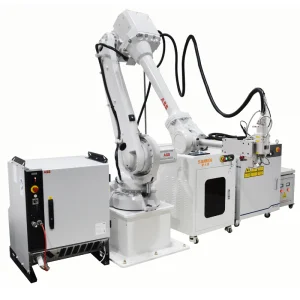
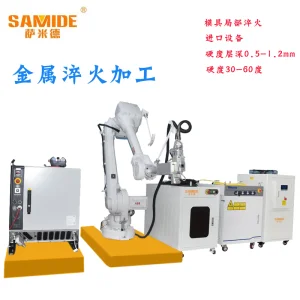
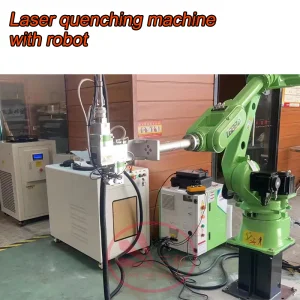
Model:3HE-MF3000W
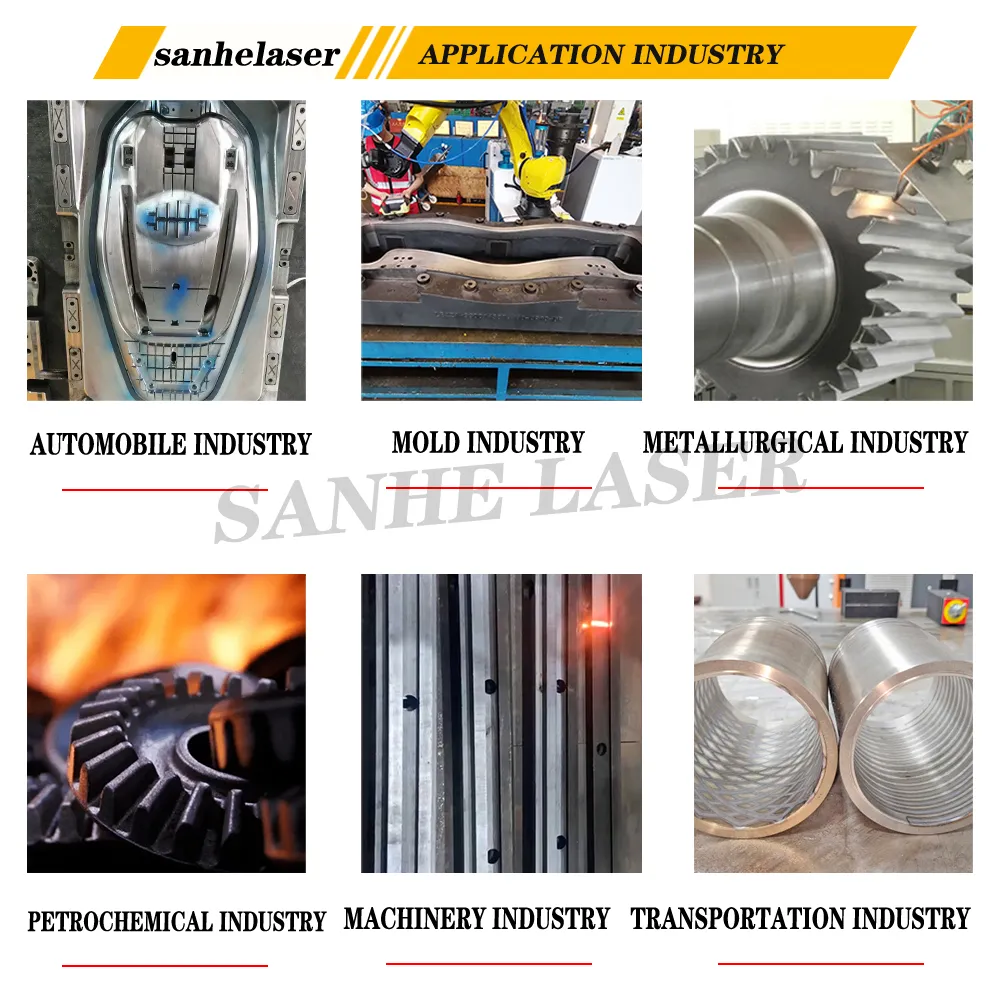
Application:Aerospace, Agricultural, Heavy-Duty Machinery
Automatic Grade:Automatic
Cooling:Water Cooling
Voltage:380V
Power:3000W
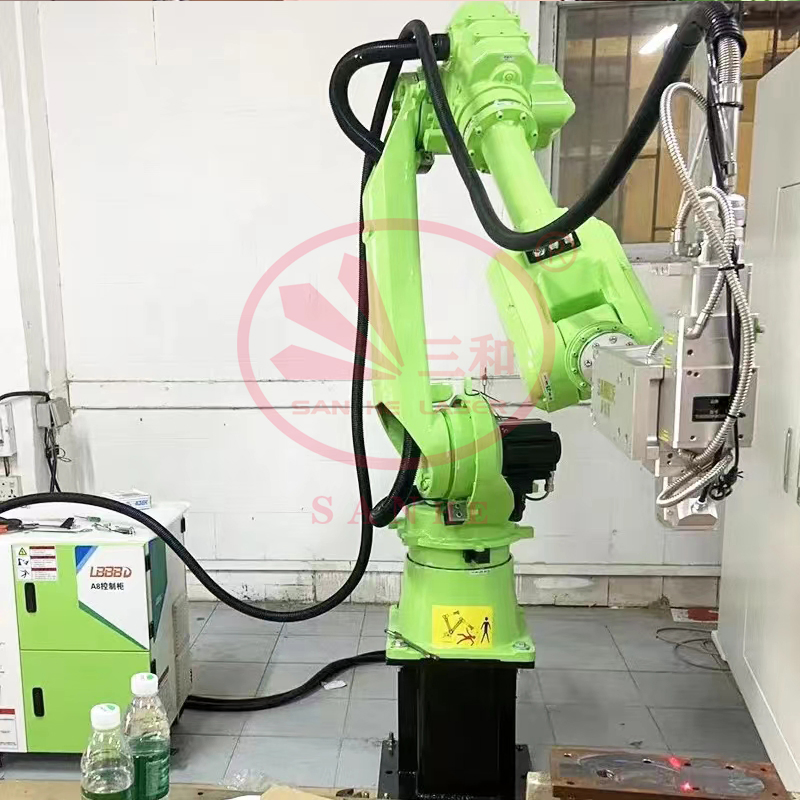
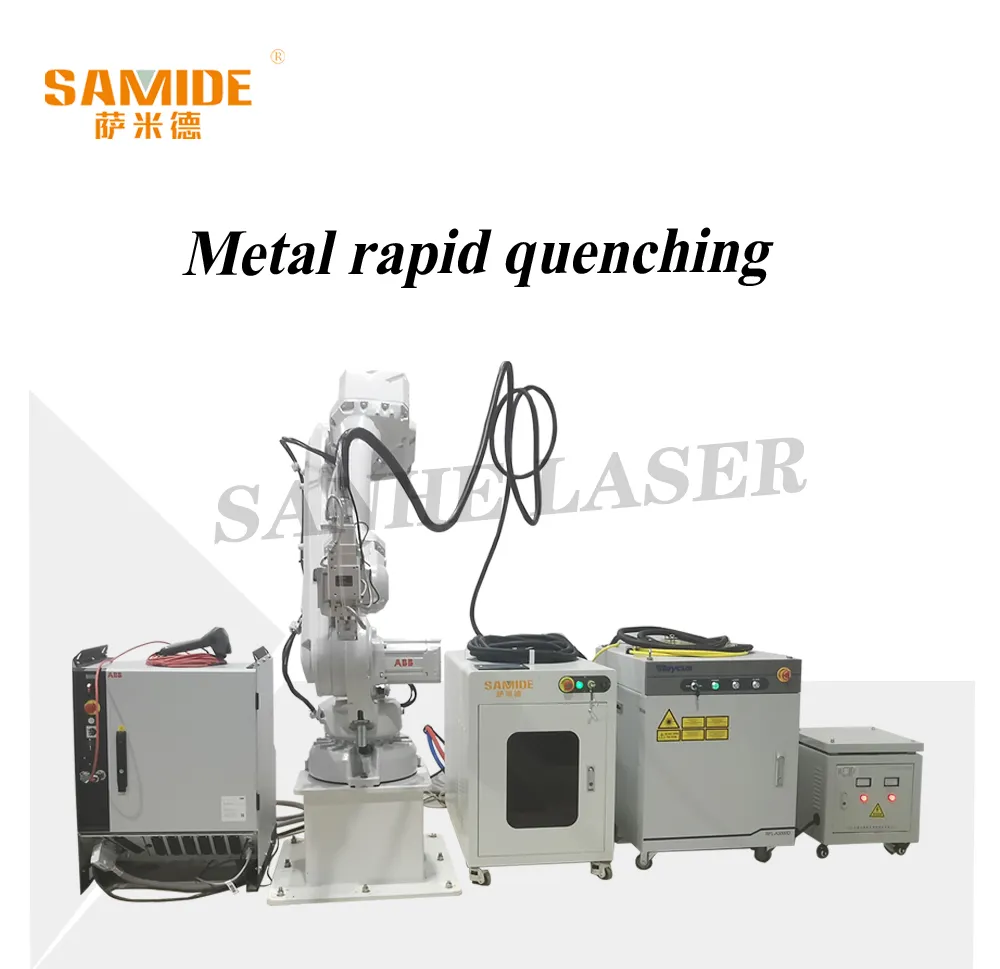
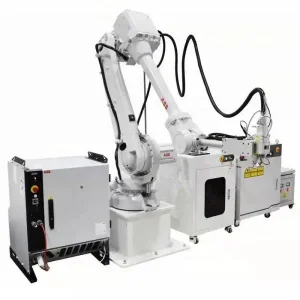
Robot Arm:2/3m Optional
Fiber Length:20m
Product Description
| Parameter | Specification |
|---|
| Wave length(nm) | 915±10 |
| Output unstablility(%) | <3 |
| Rate(Hz) | 50~5k |
| Fiber core(μm) | 600 |
| Power consumption | 22KW |
| Weight(Kg) | <150 |
Our Advantages
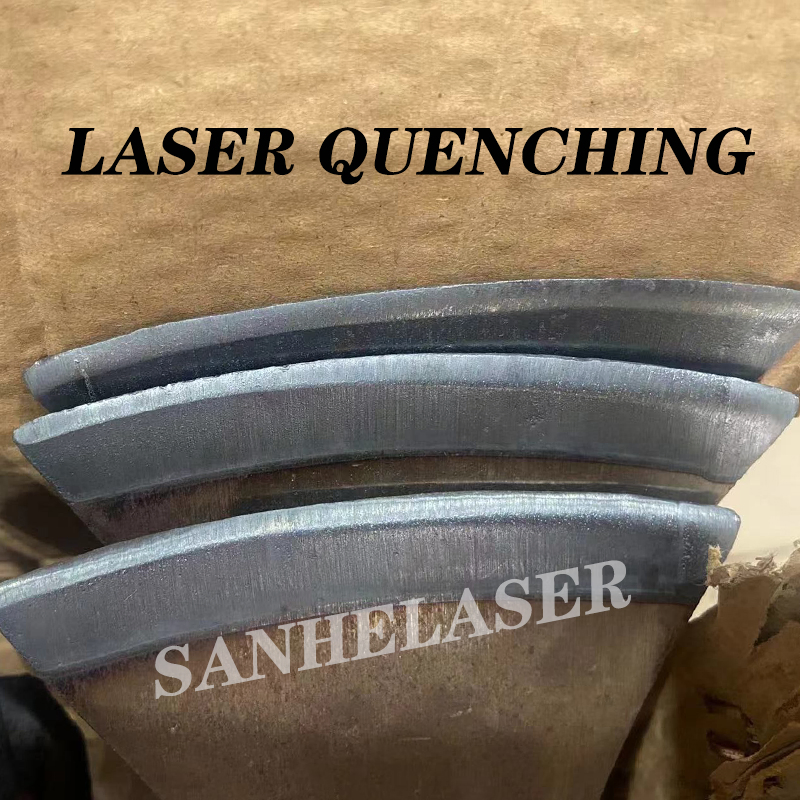
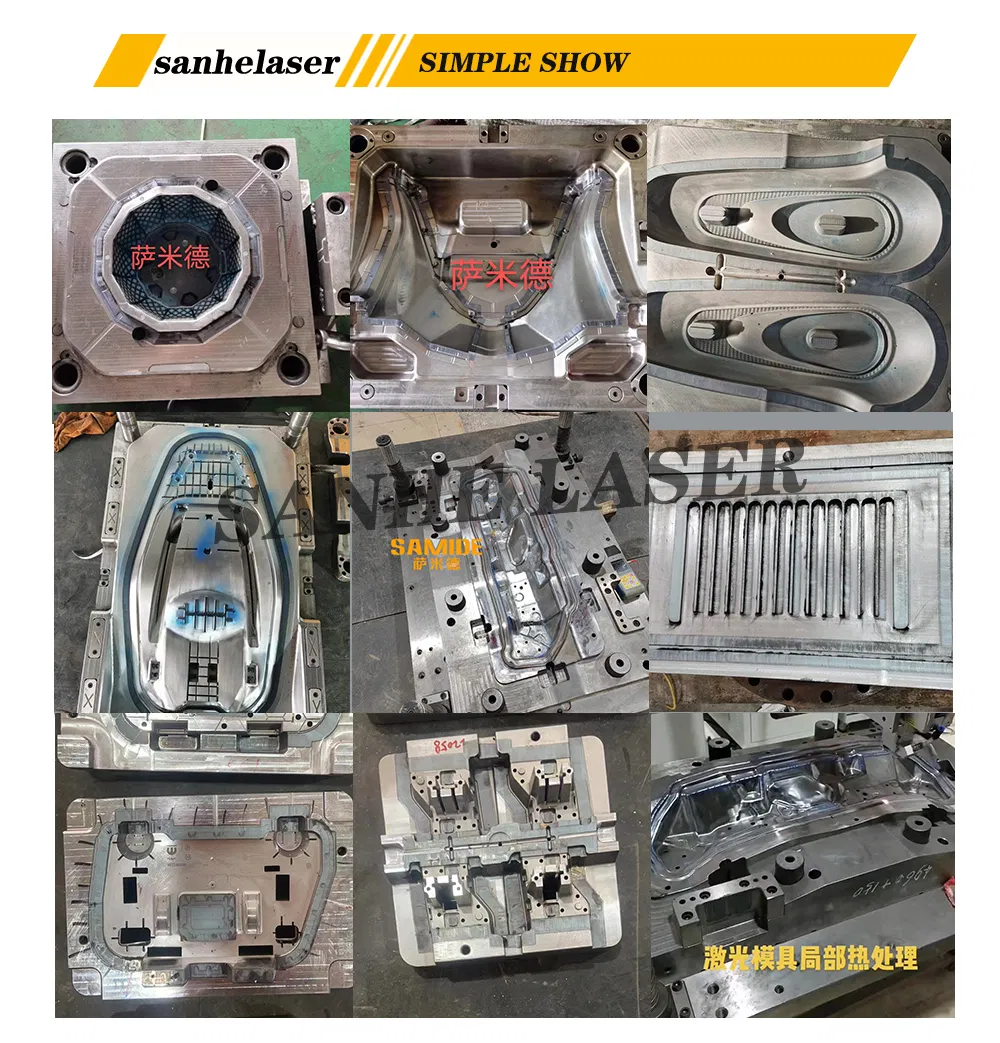
Laser quenching technology uses laser to heat the surface of a material above the phase transition point. As the material cools down, austenite transforms into martensite, thereby hardening the surface.
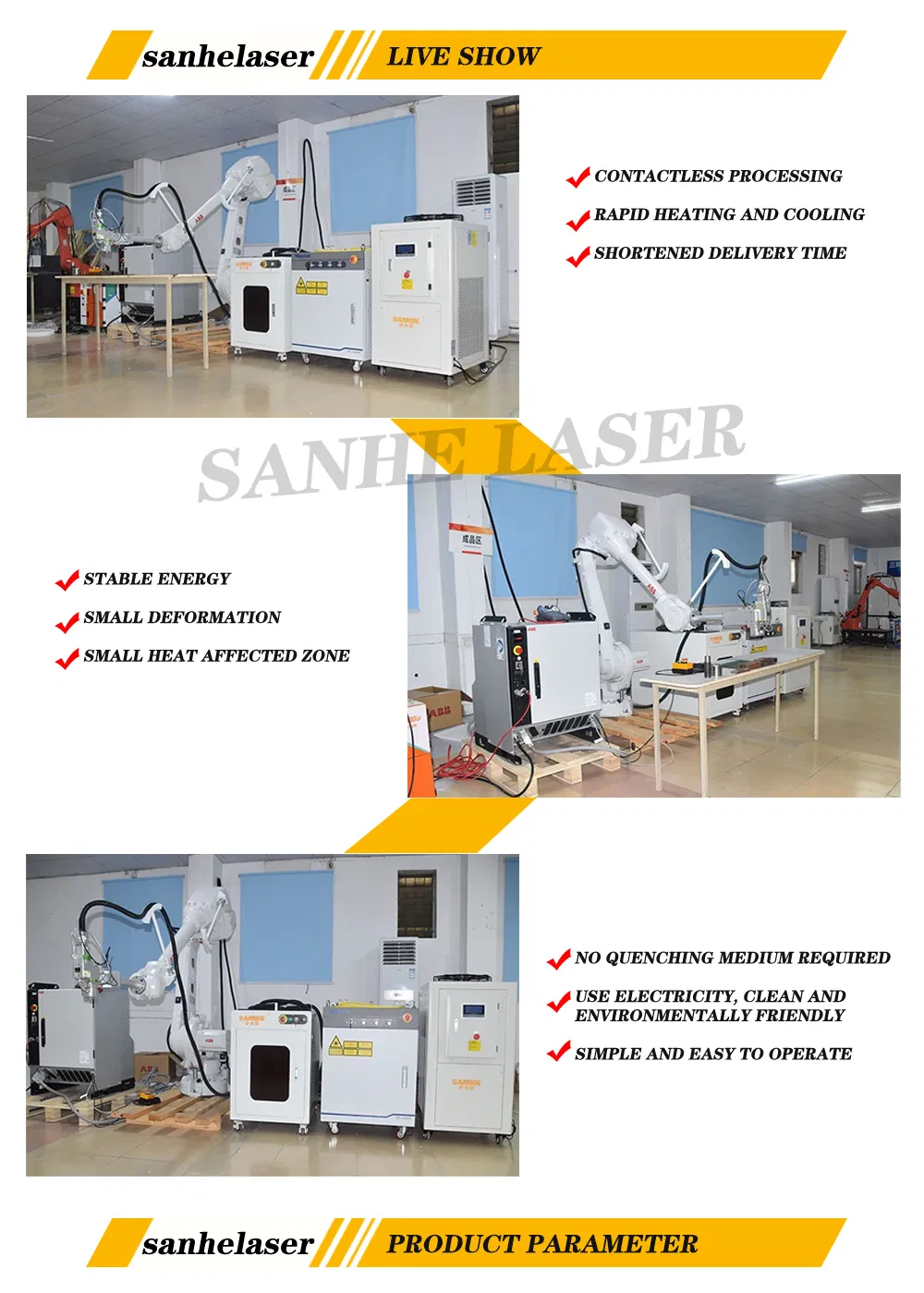
- No deformation during the quenching process.
- Surface roughness is preserved; anti-oxidation protective coating used.
- Precise CNC quantitative quenching without cracking.
- Clean, efficient, and requires no cooling media like water or oil.
- Higher hardness than conventional methods; fine microstructure.
- Pollution-free and environmentally friendly heat treatment.
Frequently Asked Questions
1. What materials are suitable for this laser quenching machine?
It is primarily suitable for medium to high carbon steel and cast iron, commonly used for molds, gears, and machine parts.
2. Does the process require external cooling media?
No, laser quenching utilizes a fast heating and self-excited cooling process, eliminating the need for oil or water quenching.
3. What is the typical depth of the hardened layer?
The depth of the hardened layer for laser surface quenching is generally between 0.3mm to 1mm, depending on the material.
4. Will the treated surface require secondary machining?
Generally no, as the surface roughness is minimally affected during the process, often allowing for direct use after treatment.
5. Can this machine be integrated with robots?
Yes, the system is designed to work with computer or robot control, including options for ABB robot arms to ensure precise positioning.
6. Is laser hardening environmentally friendly?
Yes, it is a pollution-free and green process that avoids harmful waste typically associated with traditional chemical or oil-based quenching.
 Zico Machine