✔
Characteristics of Laser Quenching
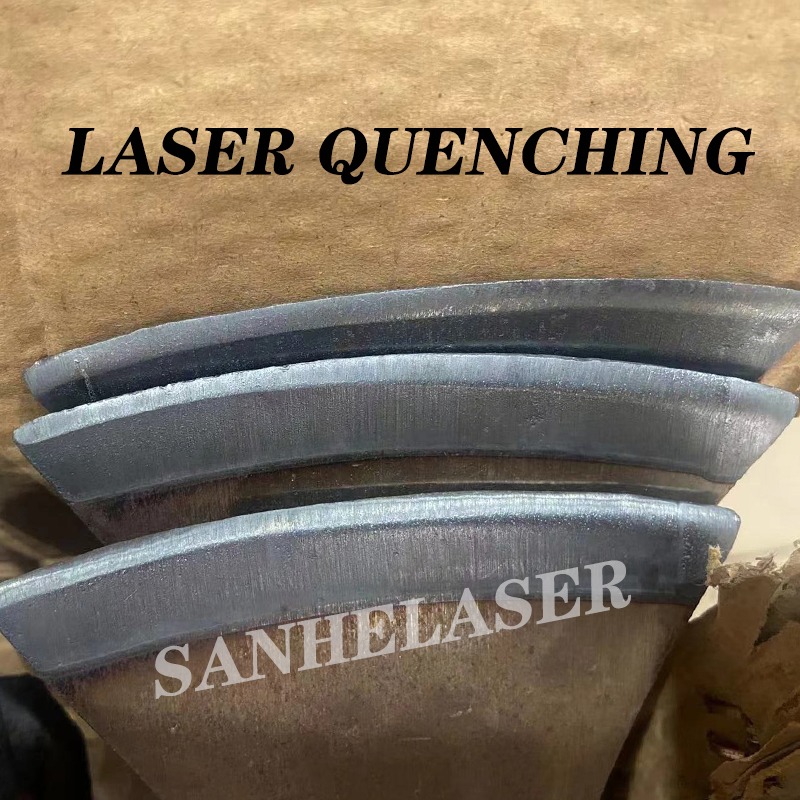
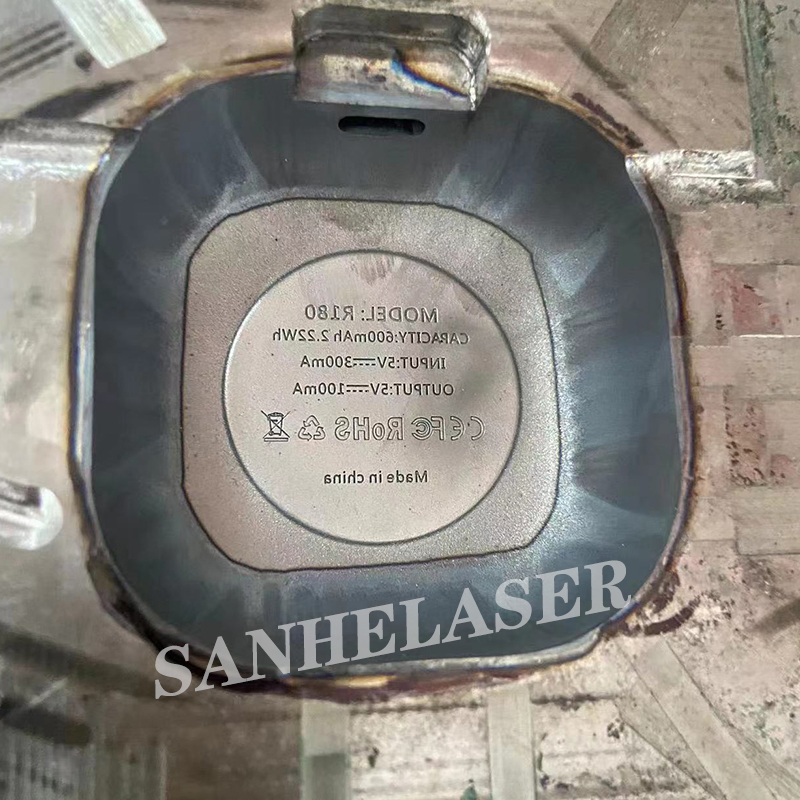
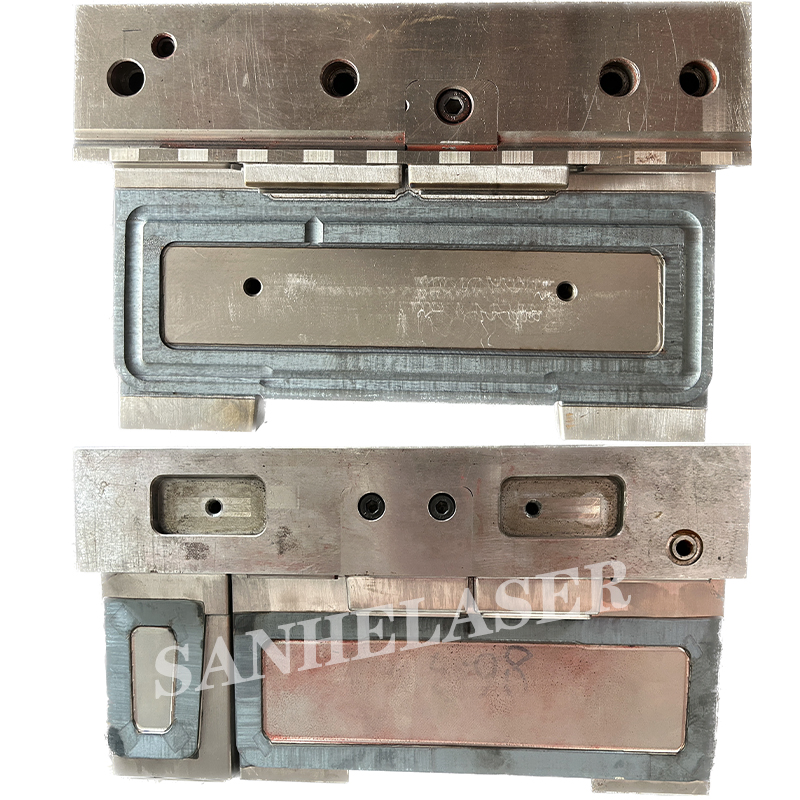
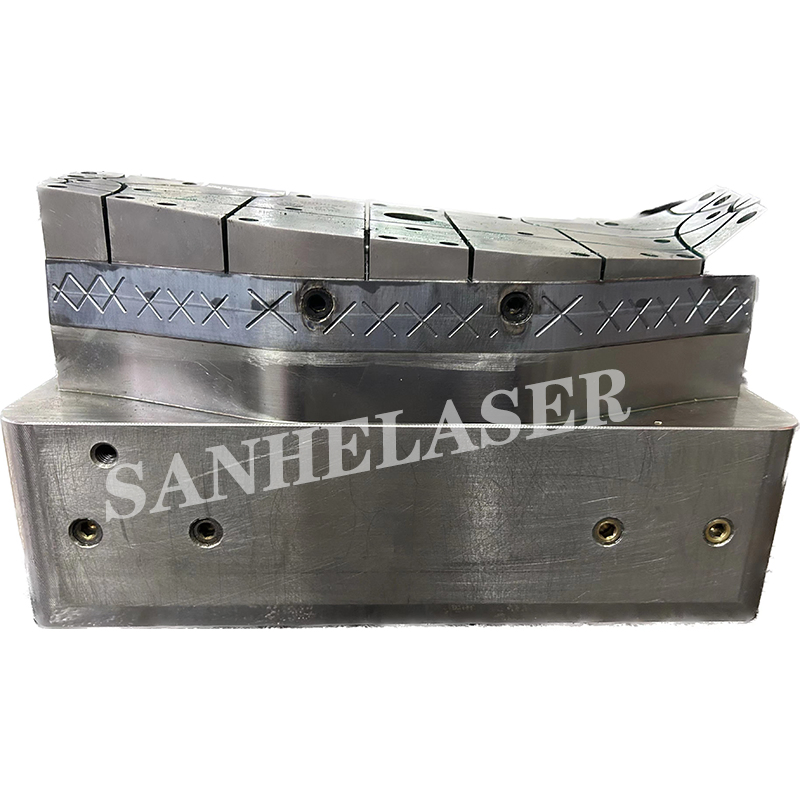
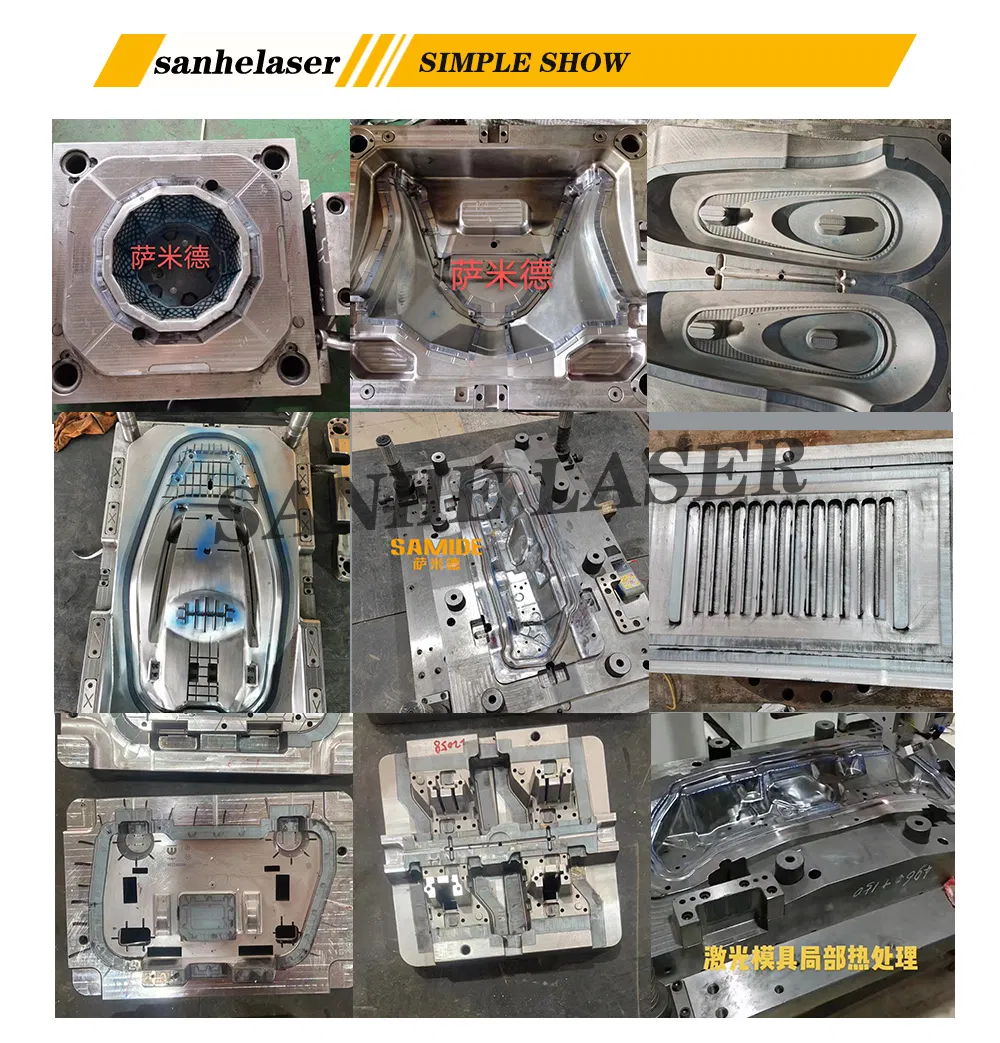
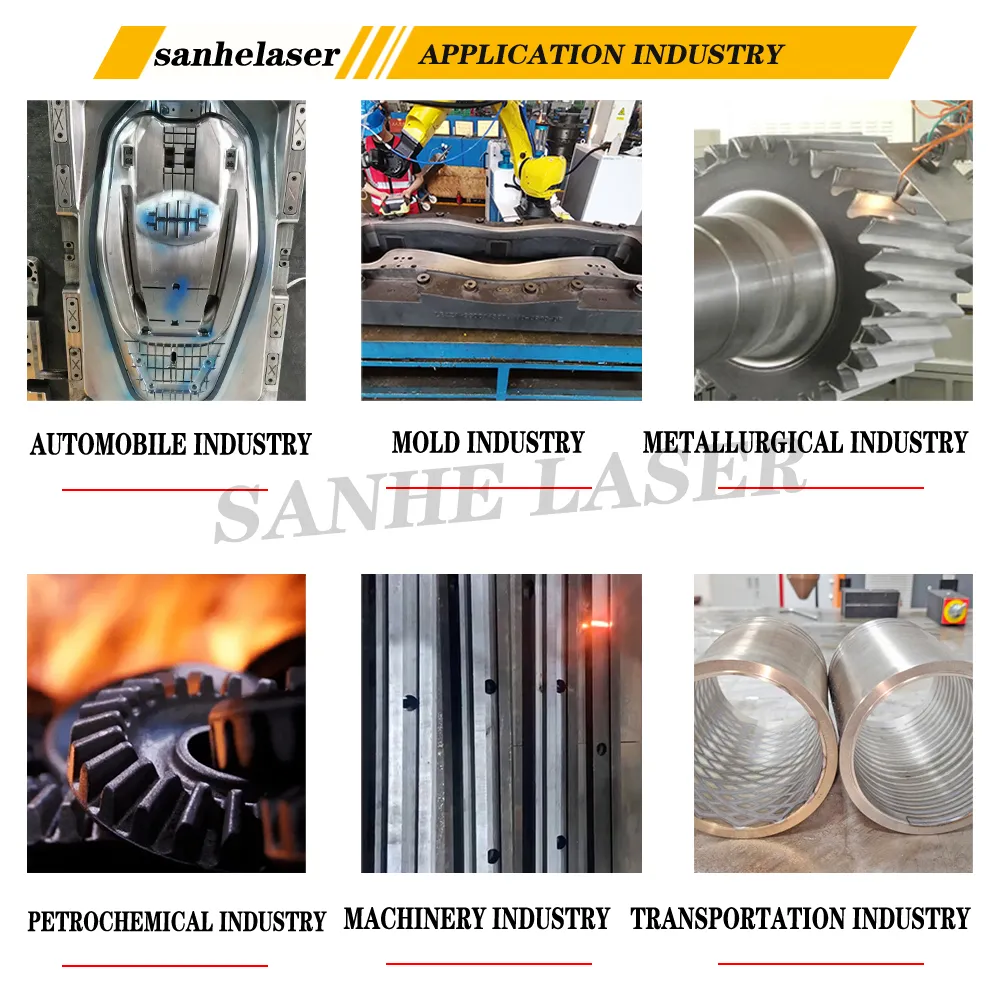
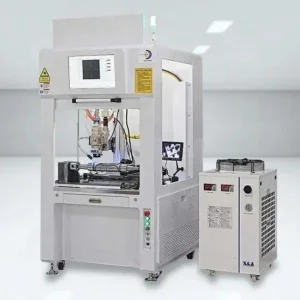
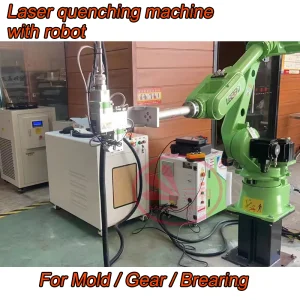
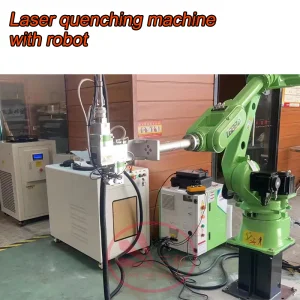
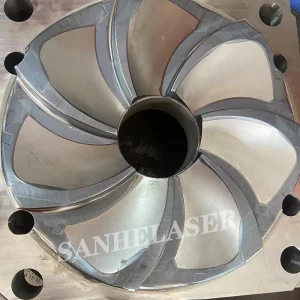
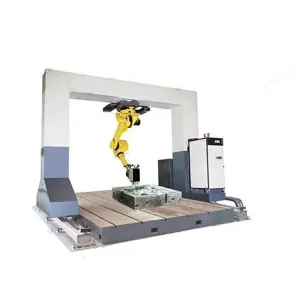
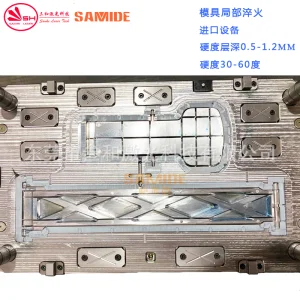
Laser quenching technology strengthens various guide rails, large gears, cylinder walls, and molds. Suitable for medium to high carbon steel and cast iron.
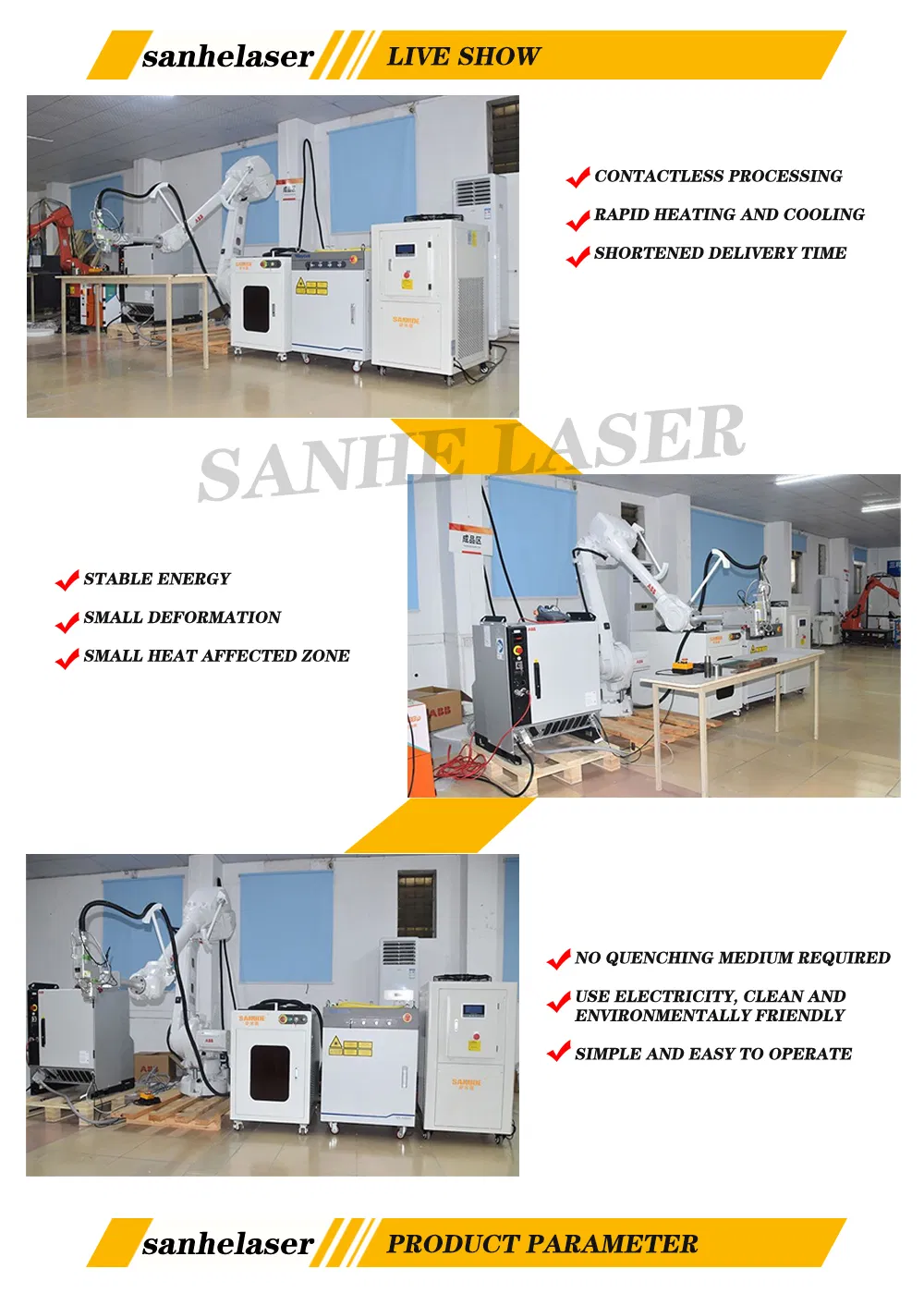
Fast Process: The quenched parts do not deform due to the ultra-fast thermal cycling.
Surface Integrity: Surface roughness is almost untouched; uses thin anti-oxidation coatings.
Precision Control: Laser quenching without cracking; precise quantitative CNC positioning for local or groove quenching.
Eco-Friendly: Clean and efficient; does not require cooling media like water or oil. Green heat treatment.
Superior Hardness: Hardness is higher than conventional methods with fine microstructure and good toughness.
Minimal Distortion: Small heat affected zone and instantaneous local heating ensure deformation is very small.
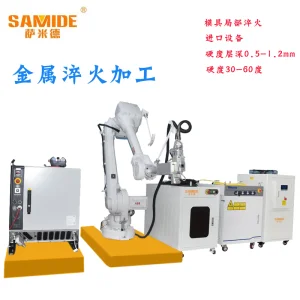
Hardened Layer: Depth is generally 0.3-1mm depending on materials.
?
Frequently Asked Questions
What materials can be processed with the 3HE-MF3000W laser hardening machine?
The machine is most suitable for medium to high carbon steel and cast iron materials commonly used in aerospace and automotive industries.
How deep is the hardened layer achieved by laser quenching?
The depth of the hardened layer for laser surface quenching is generally between 0.3mm to 1mm, depending on the specific material properties.
Does laser quenching cause significant part deformation?
No. Due to the fast heating speed and small heat-affected zone, the thermal distortion is extremely minimal compared to traditional heat treatment methods.
What are the cooling requirements for this laser hardening system?
The system uses a high-efficiency water cooling method for the laser source, but the quenching process itself is "self-excited" and does not require external media like oil or water on the workpiece.
Can this machine handle complex geometries like grooves or local spots?
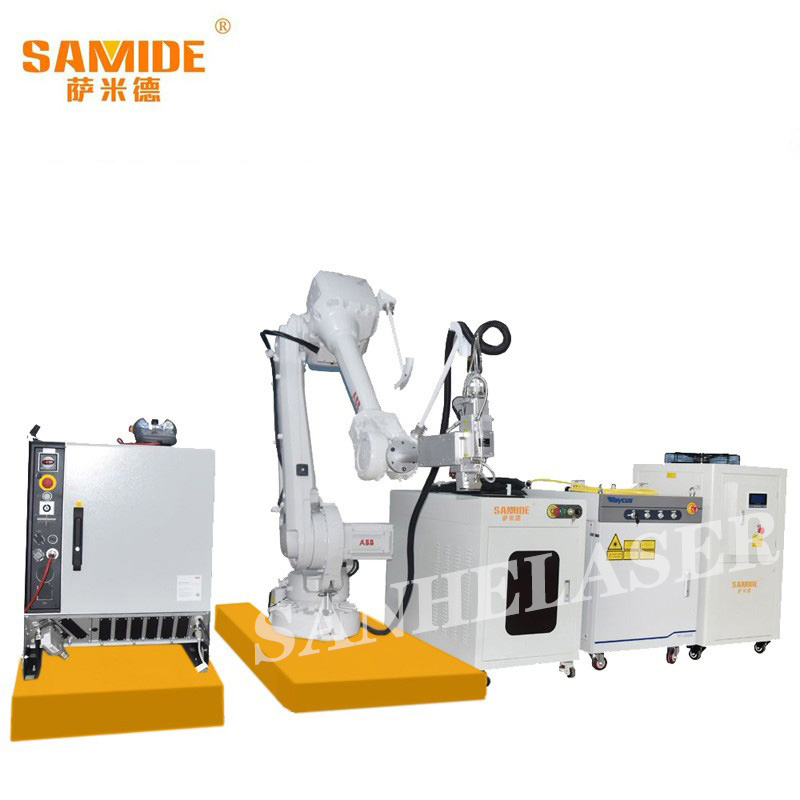
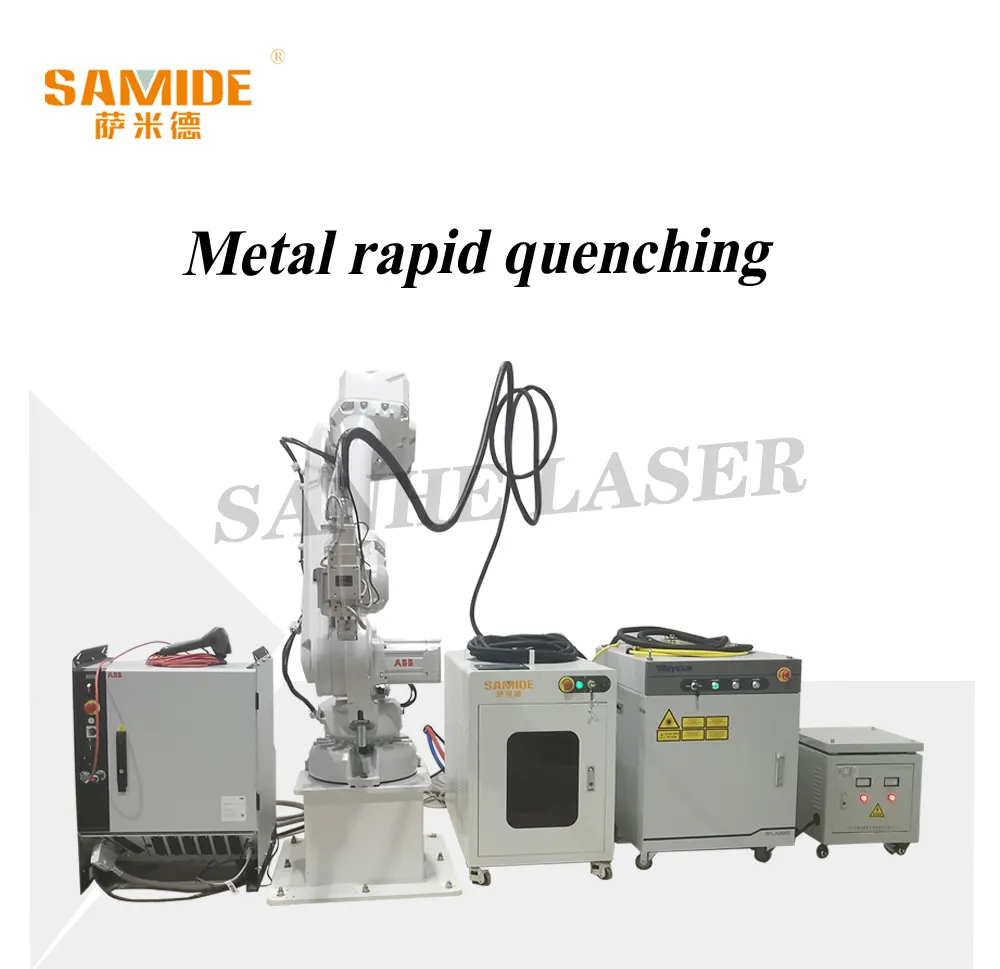
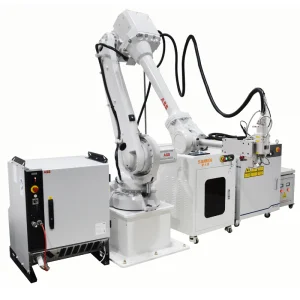
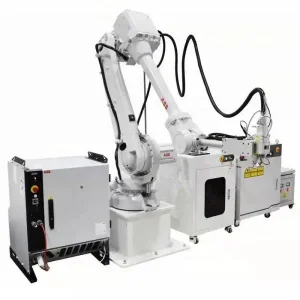
Yes, the 3HE-MF3000W features precise CNC control and a 6-axis robot (ABB), allowing for accurate quenching of grooves, local spots, and complex mold surfaces.
Is laser hardening an environmentally friendly process?
Absolutely. It is a pollution-free, green heat treatment process that does not require furnace insulation or chemical coolants, making it very clean and efficient.
 Zico Machine