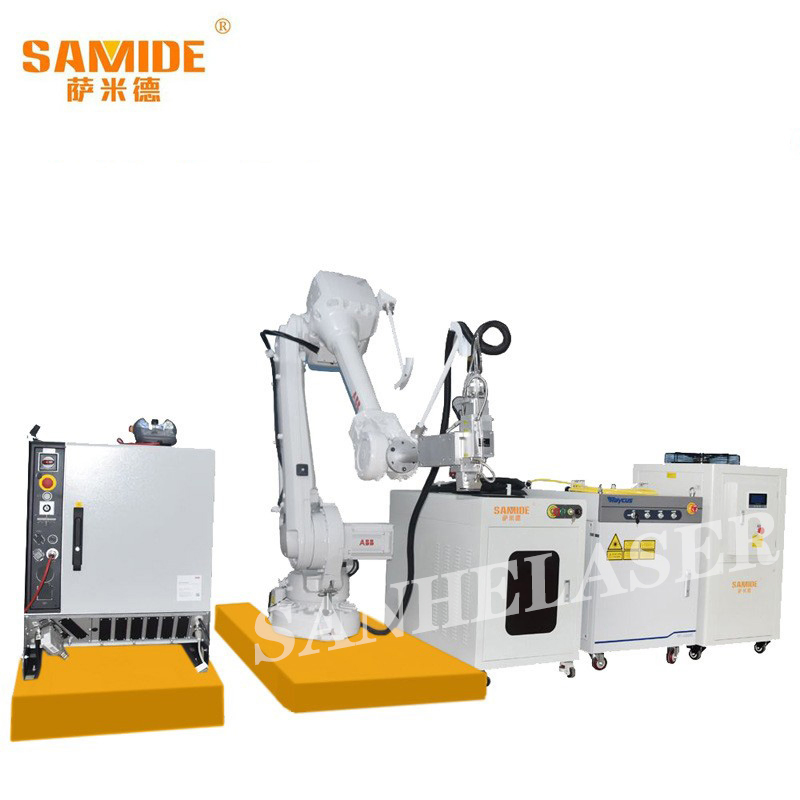
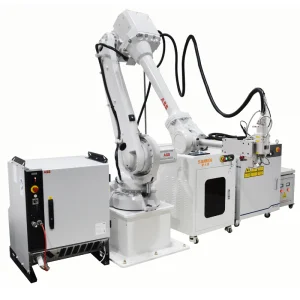
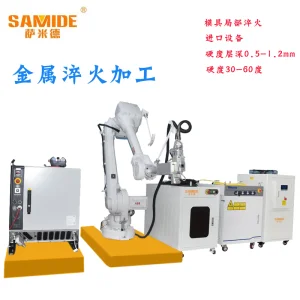
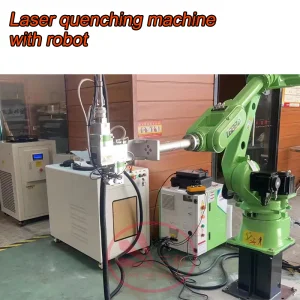
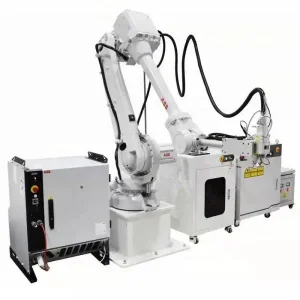
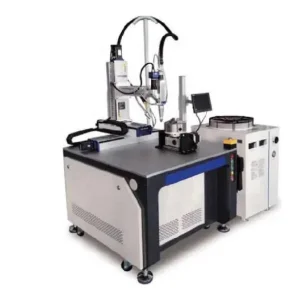
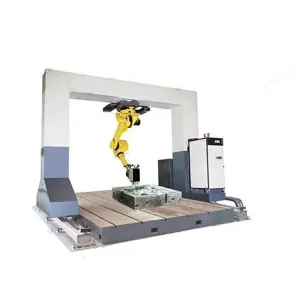
Factory Direct Sales Inner Hole Laser Quenching Machine Motorcycle and Automobile Cylinder Laser Quenching and Hardening

Product Description

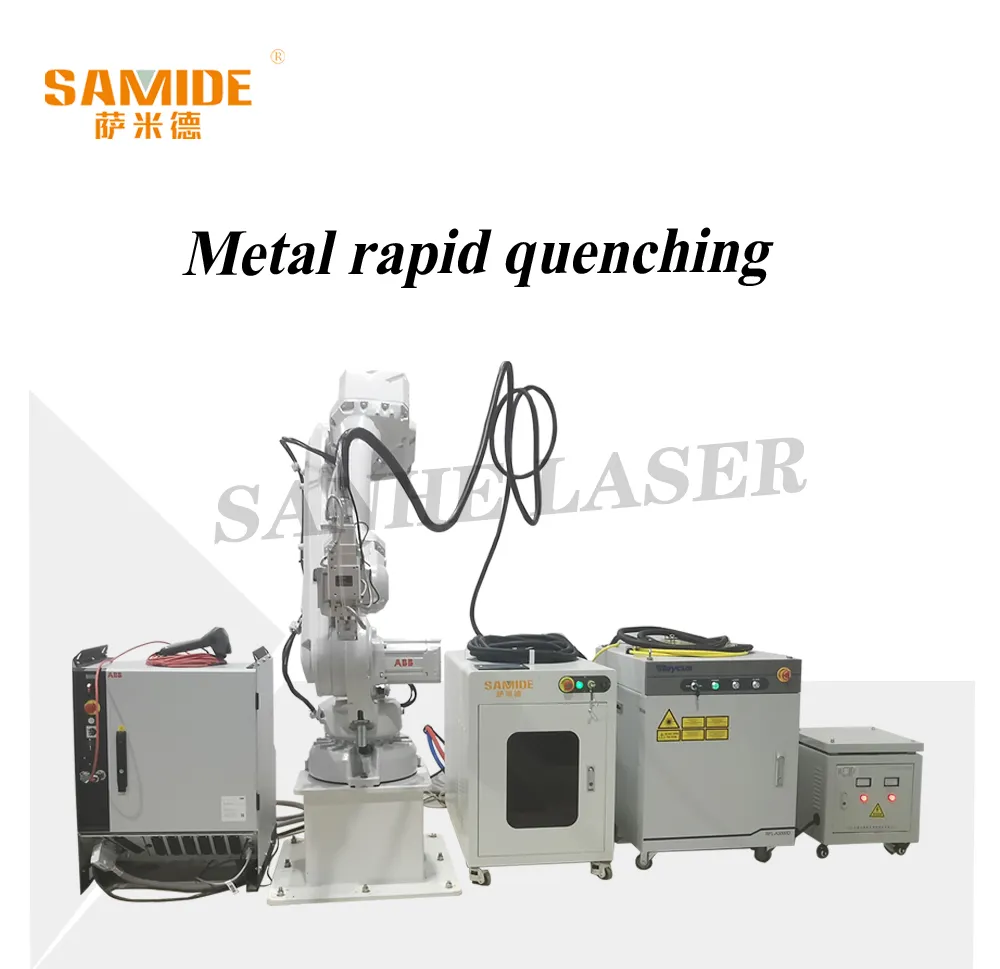
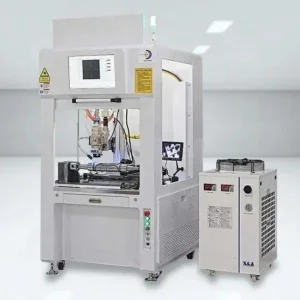
Laser Quenching Machine

Technical Specifications

LASER PARAMETERS
Wave Length (nm) 915±10
Output Unstability (%) <3
Rate (Hz) 50~5k
Red Light Point Power (mW) 0.25~1
LASER HEAD PARAMETERS
Output Head Mode QBH
Fiber Core (μm) 600
Min Bend Semidiameter (mm) ≥400
Half Angle of Beam Divergence (rad) ≤0.22
Fiber Length (m) 20
ELECTRONIC & OTHER PARAMETERS
Voltage AC380V±38V, 50/60Hz
Control Mode RS-232/AD
Size (W×H×D)(mm) 650×950×980
Weight (Kg) <150
Temperature (ºC) 10~40
Humidity (%) <70
Cooling Water Cooling
Power Consumption 22KW

Technology Overview

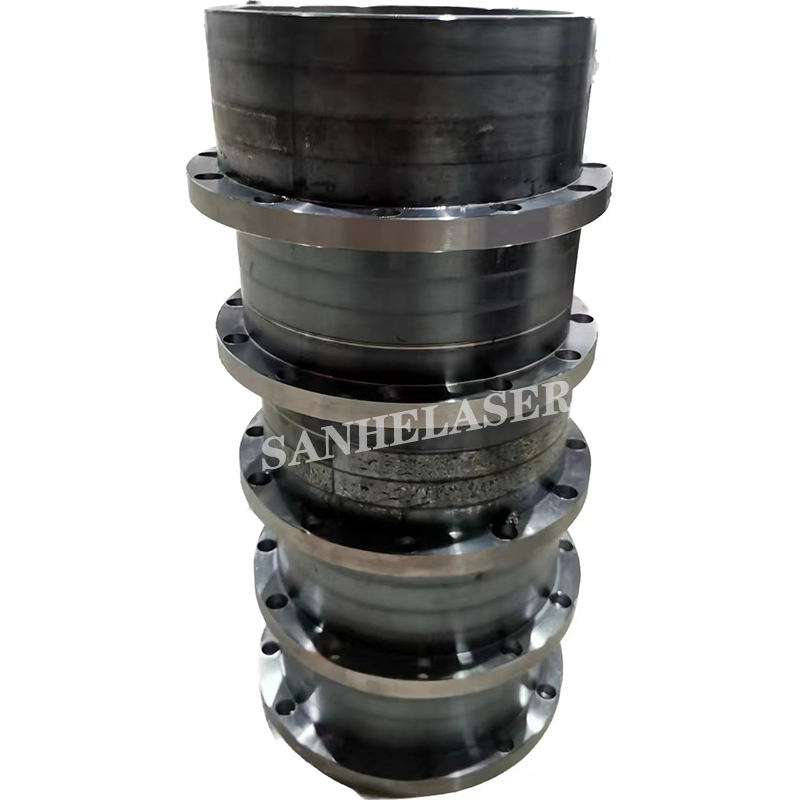
Quenching Detail 1 Quenching Detail 2

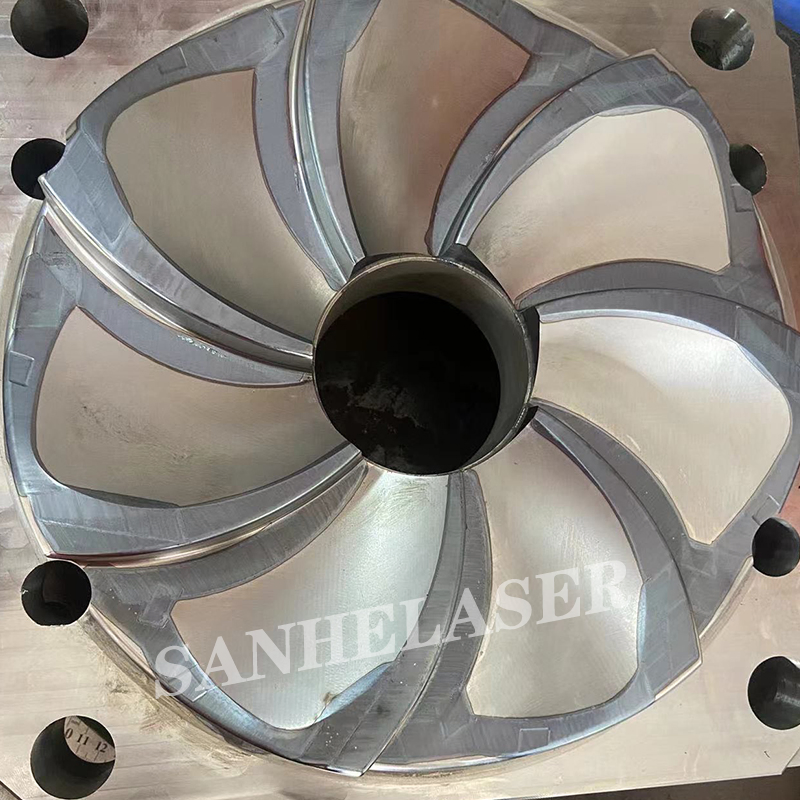
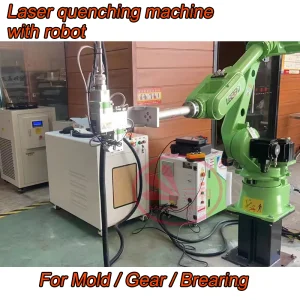
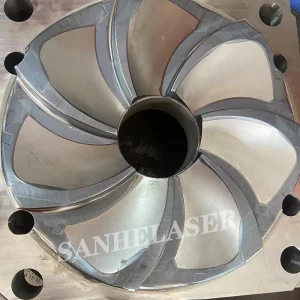
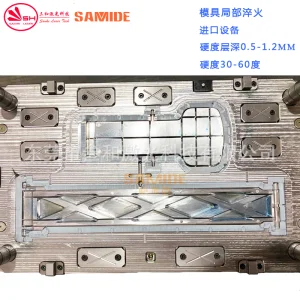
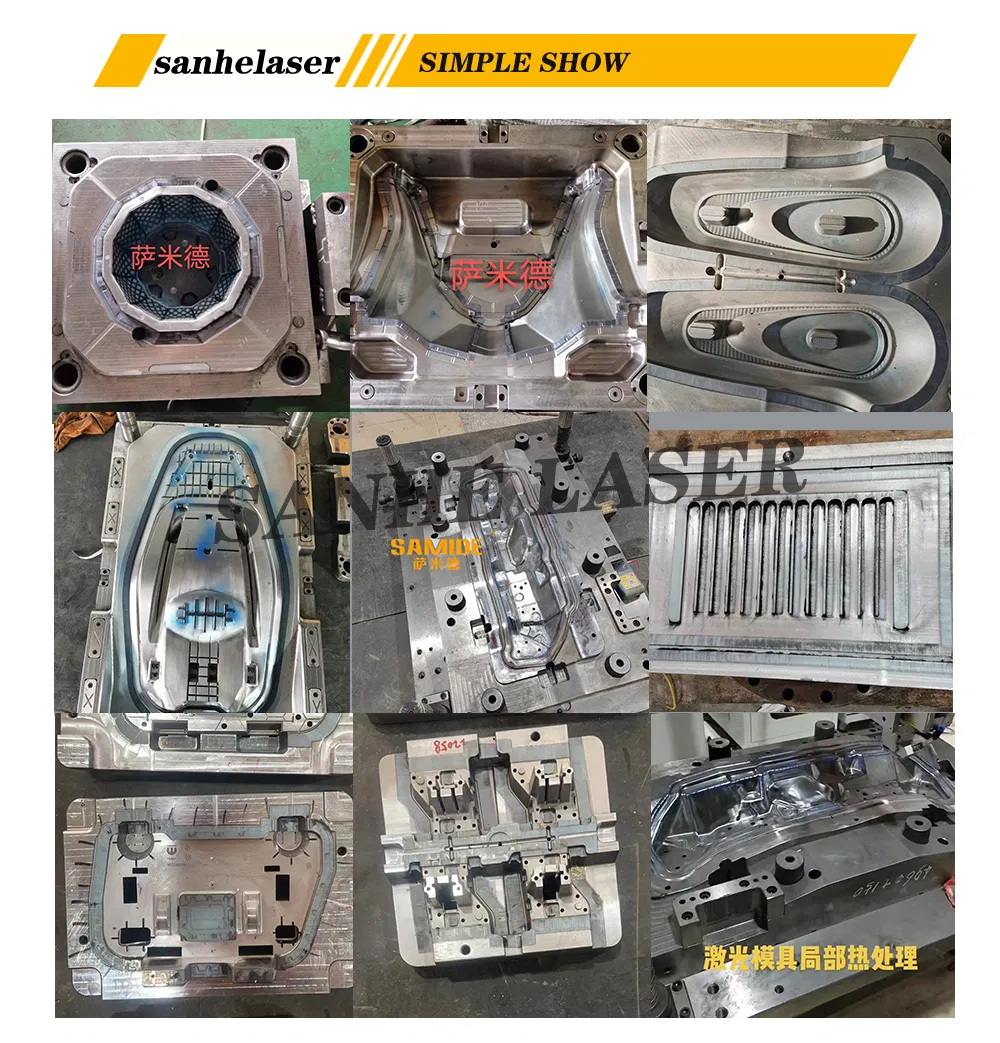
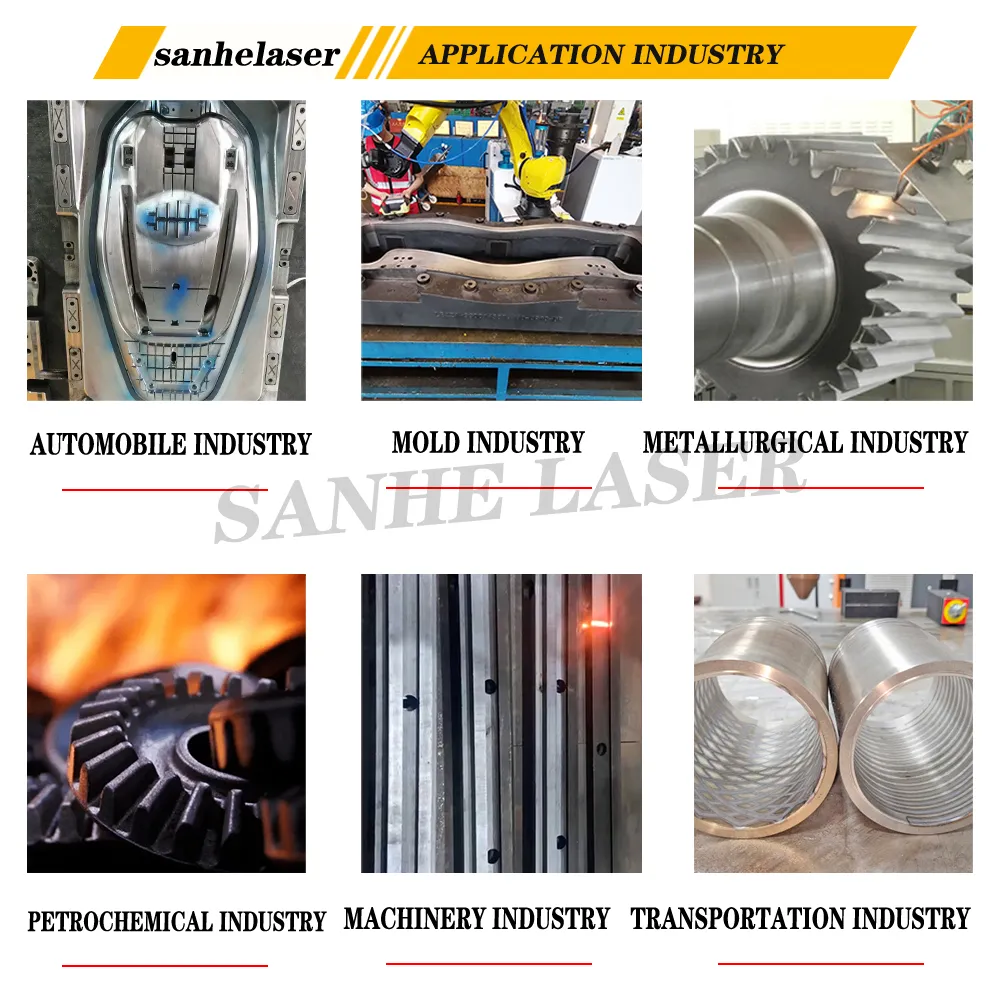
Laser quenching is a sophisticated technique using high-intensity laser beams to heat material surfaces above the phase transition point. Upon rapid cooling, austenite transforms into martensite, significantly hardening the surface layer. This technology is ideal for strengthening guide rails, large gears, journals, cylinder walls, molds, and rollers.
Key Characteristics & Advantages

⚙️
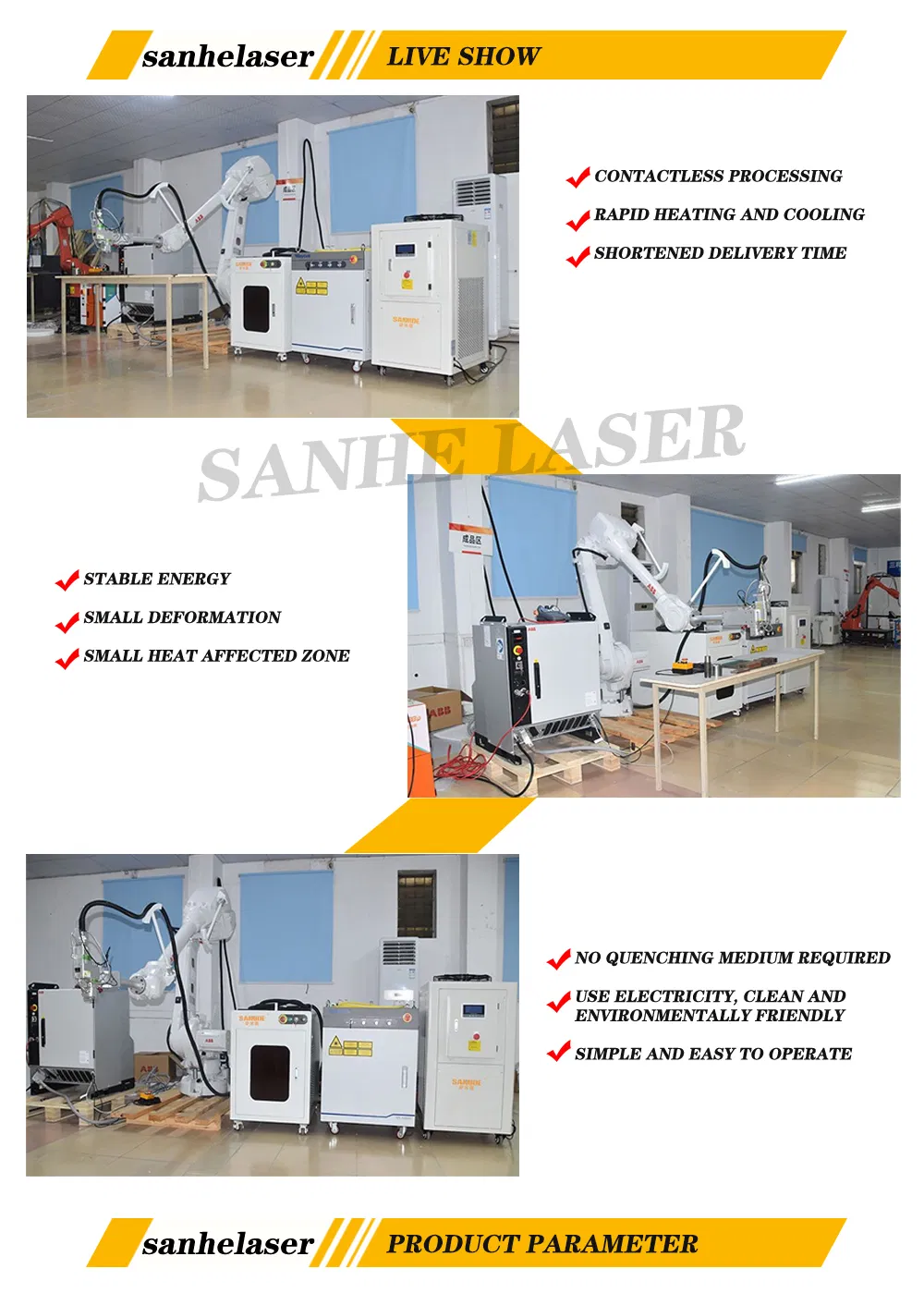
Zero Deformation: The fast thermal cycling process ensures quenched parts maintain their original shape without distortion.
High Precision: Precise quantitative CNC quenching for local areas, grooves, and complex positioning.
🛡️
Superior Hardness: Hardness exceeds conventional methods, featuring a fine microstructure with excellent strength and toughness.
🌿
Eco-Friendly: A clean, green process that requires no cooling media like water or oil, reducing pollution.
📈
Efficiency: Fast heating speed and small heat-affected zones result in minimal mold deformation and high throughput.
Surface Integrity: Surface roughness remains virtually undamaged, often protected by a thin anti-oxidation coating.

Applications & Results

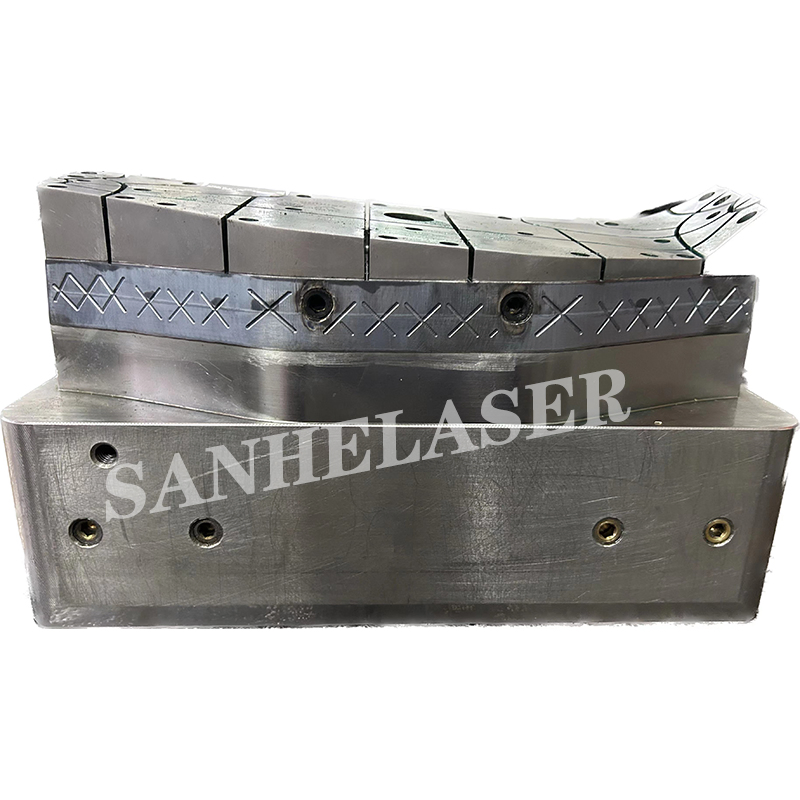
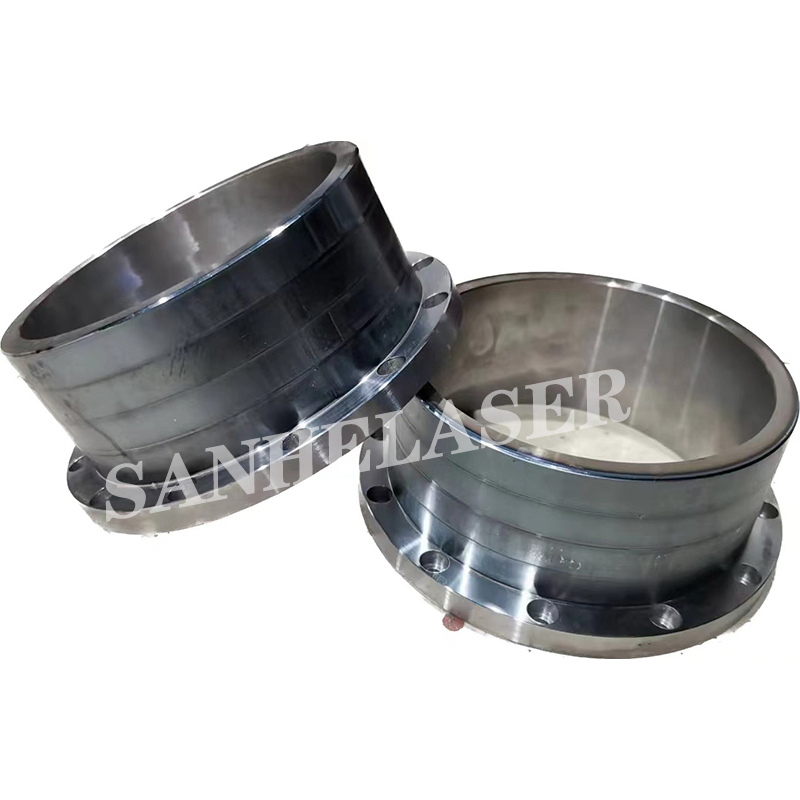
Application 1 Application 2 Application 3
Comprehensive Gallery

Frequently Asked Questions

What materials are suitable for laser quenching?
Laser quenching is most effective for medium to high carbon steel and various types of cast iron.
What is the typical depth of the hardened layer?
The depth of the hardened layer for laser surface quenching typically ranges from 0.3mm to 1mm, depending on the specific material properties.
Does the process cause part deformation?
No, because the heating is instantaneous and local, the heat-affected zone is very small, resulting in minimal to no deformation of the processed parts.
Is a cooling medium required during the process?
Laser quenching is a self-excited cooling process. It does not require water, oil, or other cooling media, making it a clean and dry heat treatment.
Can it be used for specific areas like grooves?
Yes, the laser beam can be precisely directed through CNC systems to perform localized quenching on specific features like grooves and complex mold surfaces.
How does laser quenching compare to conventional hardening?
Laser quenching provides higher hardness, a finer microstructure, better toughness, and is significantly more environmentally friendly than traditional furnace-based methods.

Related Products