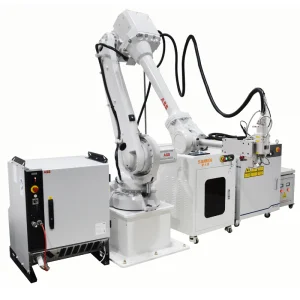
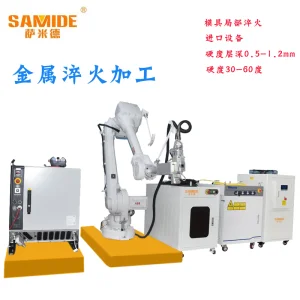
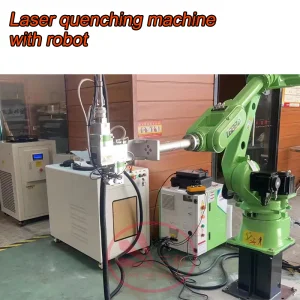
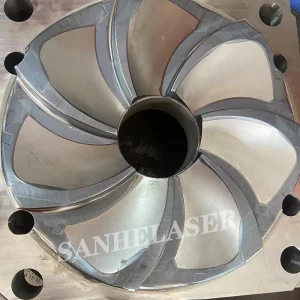
1
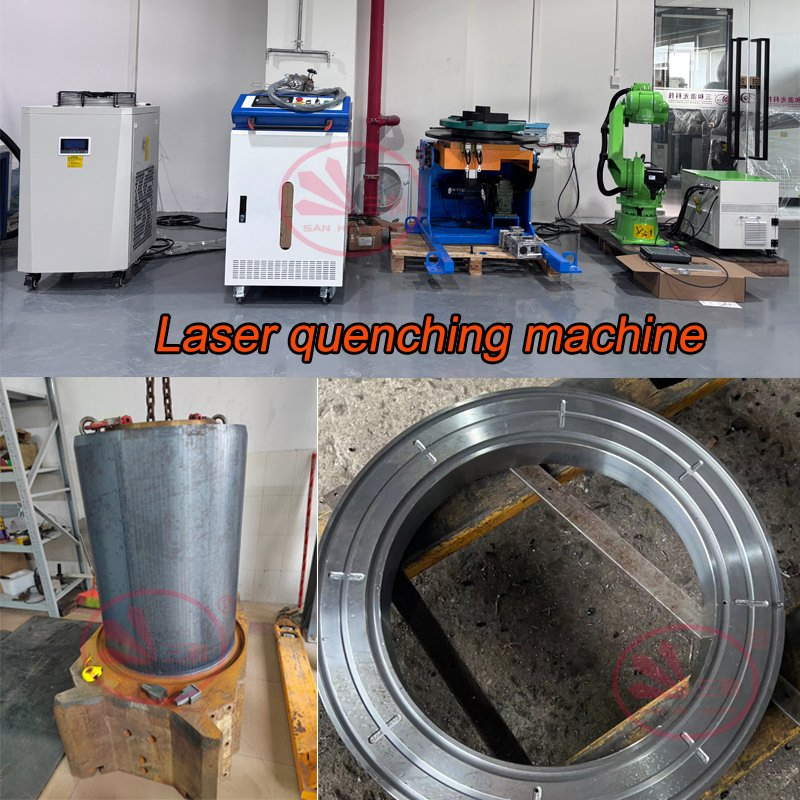
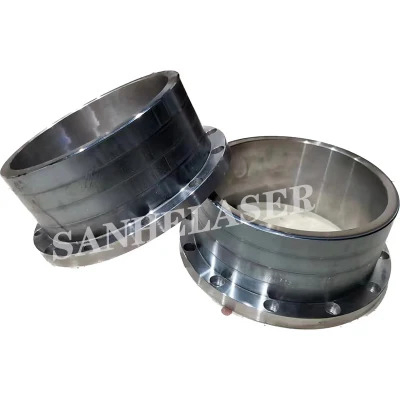
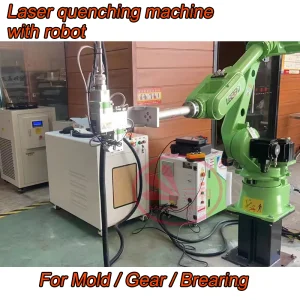
The quenched parts are not deformed, the thermal cycle process of laser quenching is fast, medium carbon steel, large shafts
2
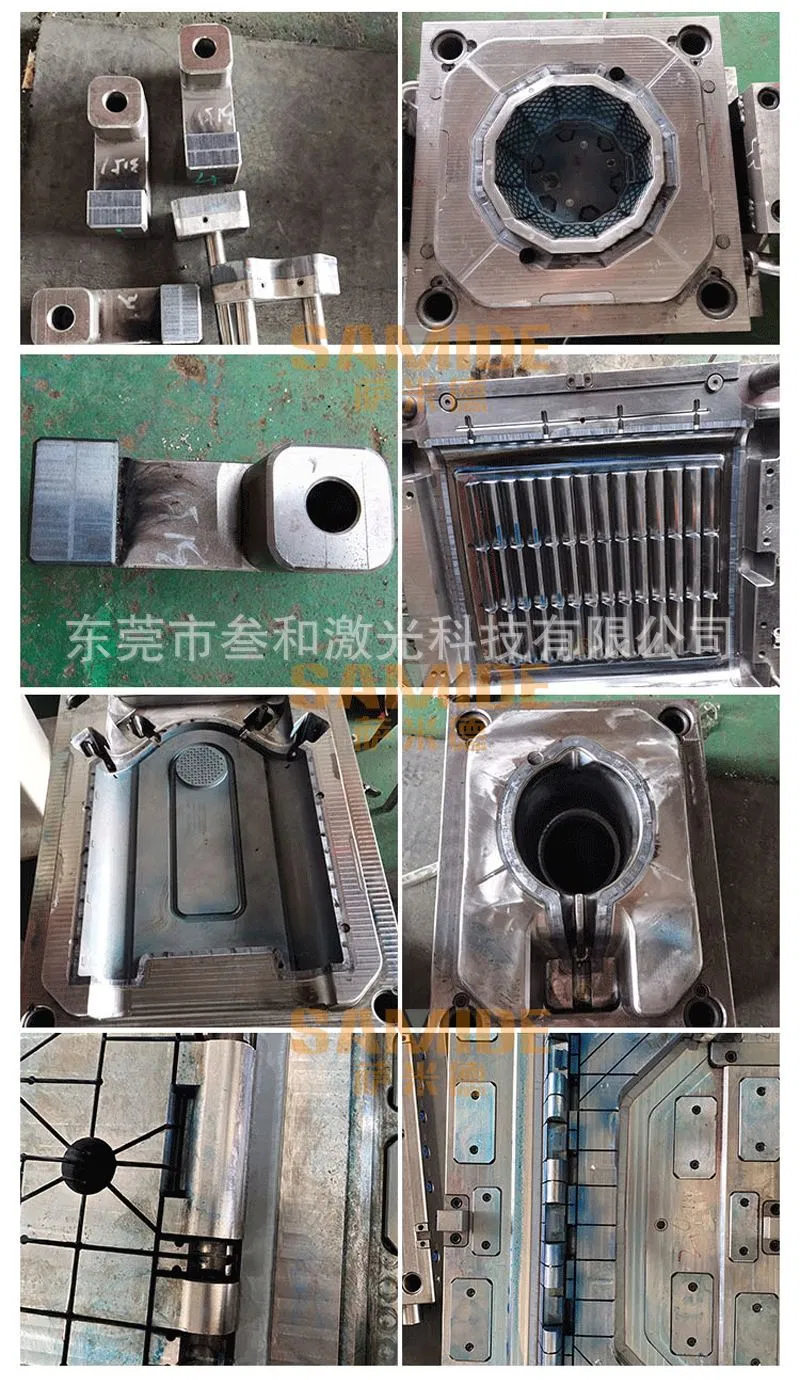
It hardly destroys the surface roughness and adopts a thin coating of anti-oxidation protection. Die steel and various dies
3
Laser quenching does not crack, precise and quantitative numerical control quenching, cold work die steel, mold, cutting tool
4
CNC quenching with precise positioning for local, groove and groove quenching Medium carbon alloy steel shock absorber
5
Laser quenching is clean and efficient No cooling medium such as water or oil is required Cast iron material Engine cylinder
6
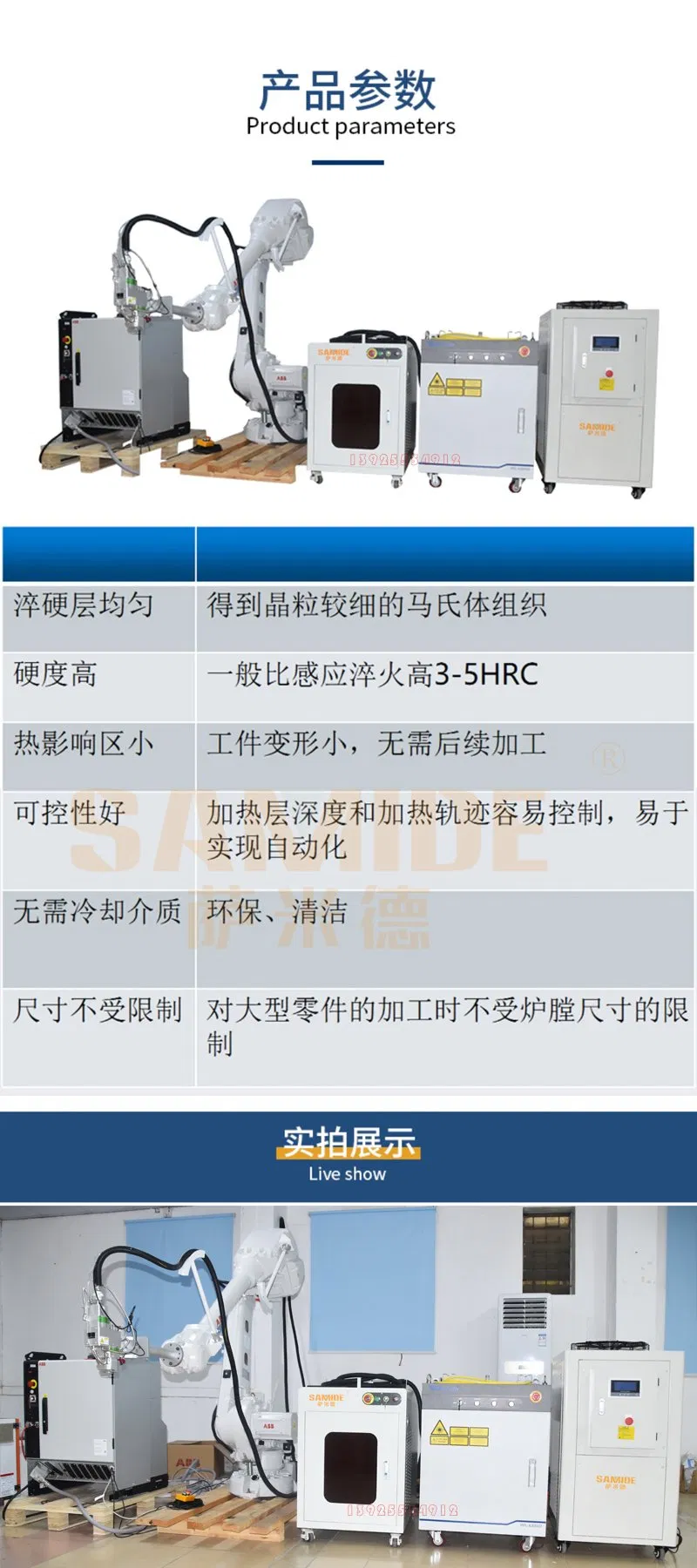
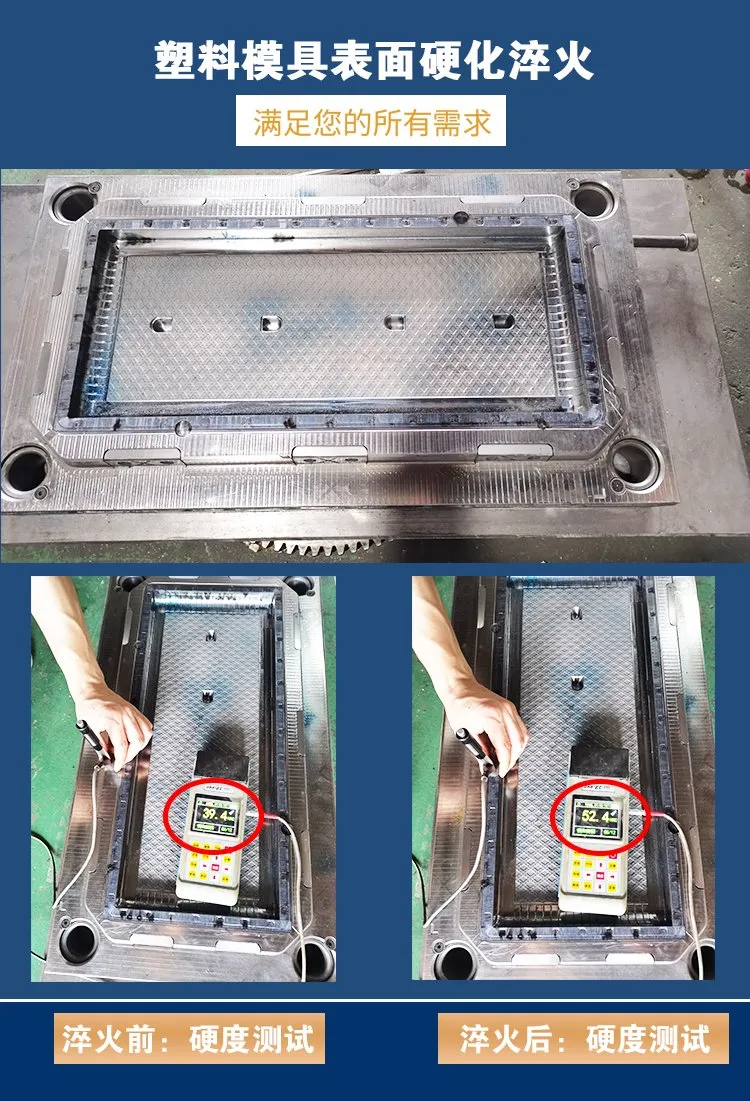
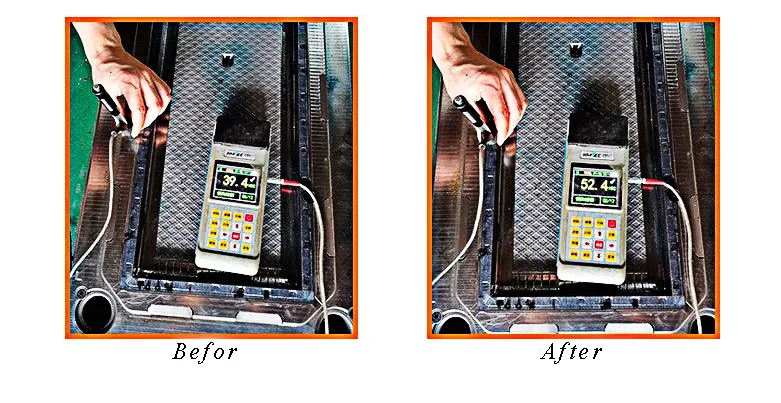
The quenching hardness is higher than that of the conventional method. The quenched layer has fine structure and good strength and toughness. High carbon alloy steel Large roll
7
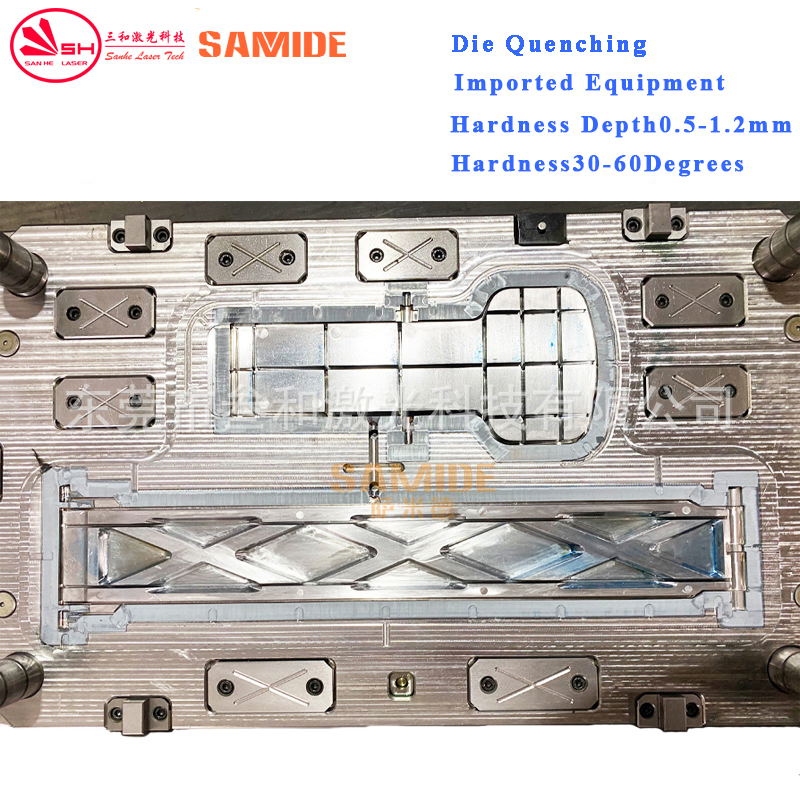
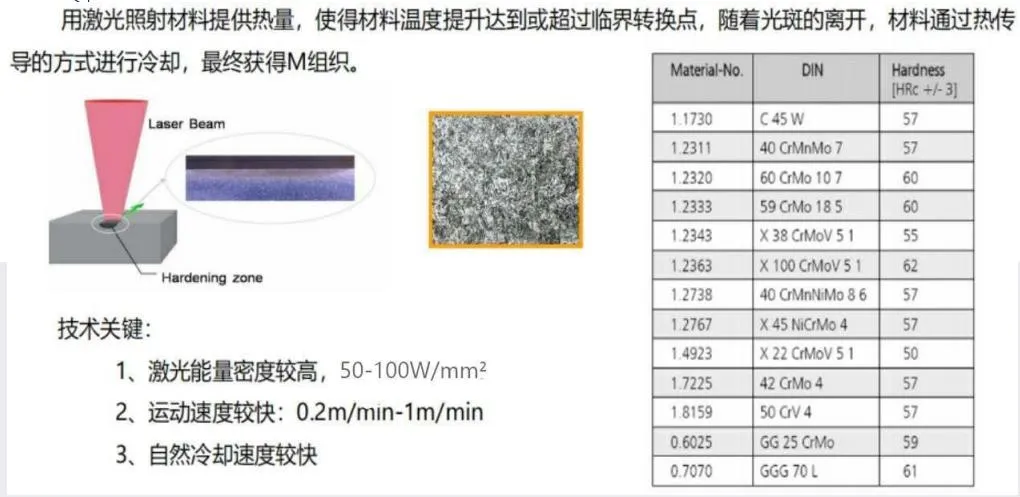
Laser quenching is rapid heating and self-excited cooling, without furnace heat preservation and cooling liquid quenching. It is a pollution-free green environmental protection heat treatment process, which can easily perform uniform quenching on the surface of large molds.
8
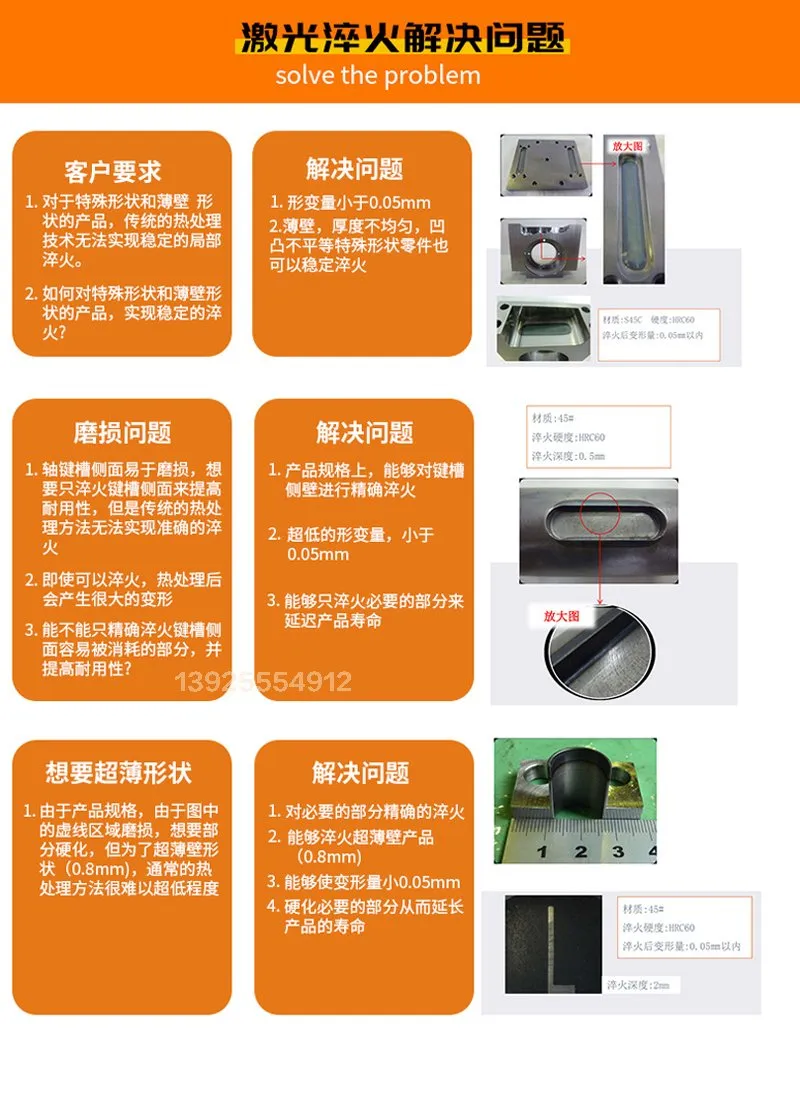
Because the laser heating speed is fast, the heat affected zone is small, and the surface scanning heating and quenching is used, that is, instantaneous local heating and quenching, so the deformation of the processed mold is small.
9
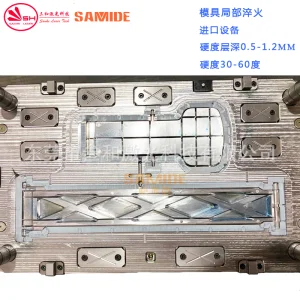
Due to the small divergence angle of the laser beam, it has a good directivity, and can perform precise local quenching on the surface of the mold through the light guide system.
10
The depth of the hardened layer of laser surface quenching is generally 0.3~1.5mm.
1. What is the standard depth of the hardened layer achieved by this laser surface quenching machine?
The depth of the hardened layer of laser surface quenching is generally between 0.3mm and 1.5mm, depending on processing parameters and exact material composition.
2. Does this machine cause deformation during the quenching process?
No. Because the laser heating speed is exceptionally fast and the heat-affected zone is incredibly small, surface scanning heating and quenching achieves instantaneous local treatment, ensuring that the processed parts or large molds suffer virtually zero deformation.
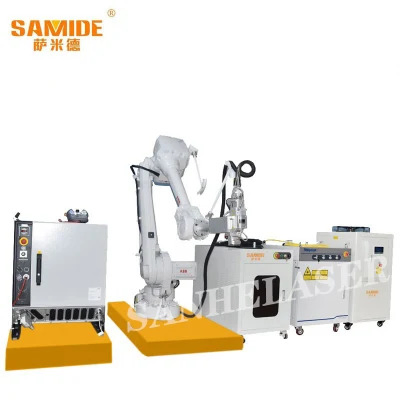
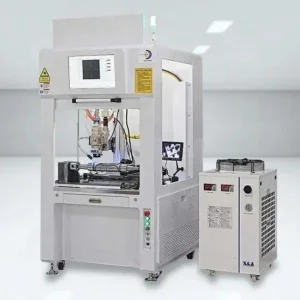
3. What type of cooling and power source does the 3HE-MF3000W model require?
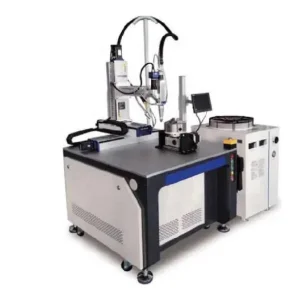
This model utilizes a stable water-cooling system. It operates on a power supply of AC380V±38V at 50/60Hz, with a total power consumption of 22KW.
4. What are the key applications and target industries for this laser hardening machinery?
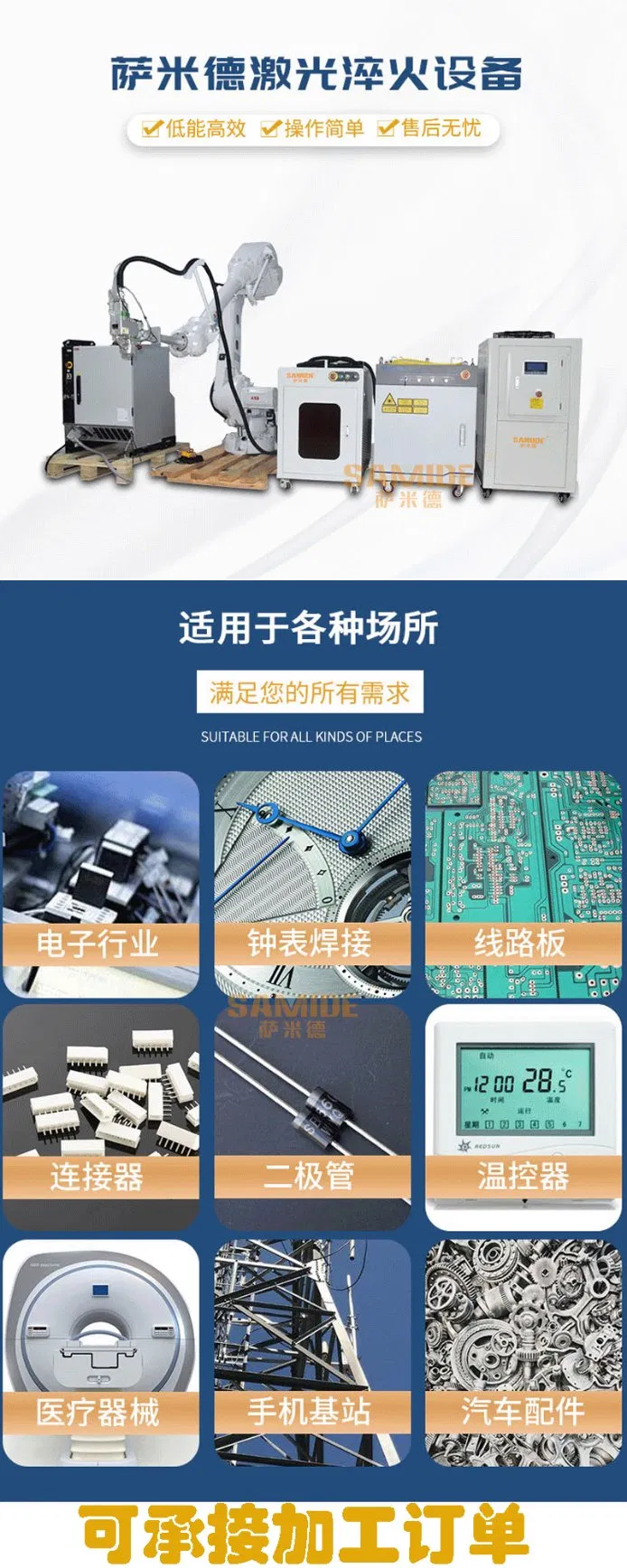
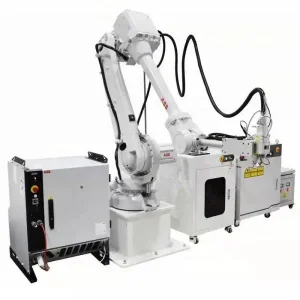
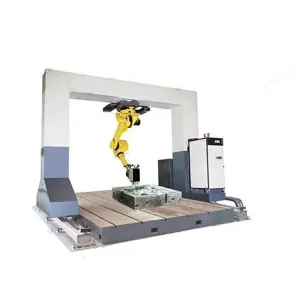
This stationary continuous wave laser hardening system is widely utilized in major industrial sectors including Aerospace, Agricultural Machinery, Heavy-Duty Machinery, and the Automotive Industry, focusing on hardening molds, blades, gears, and bearings.
5. Why is laser quenching considered a green and environmentally friendly process?
It operates via rapid heating and self-excited cooling without requiring external cooling mediums like water or oil quenching liquids, nor furnace heat preservation. This makes it a clean, pollution-free, green heat treatment technology.
6. How does the hardness of laser-quenched surfaces compare to conventional methods?
Laser quenching delivers a higher hardness level than conventional heat treatment methods. The resulting quenched layer benefits from a exceptionally fine structure, presenting superior strength and toughness, perfect for high-carbon alloy steels and large rolls.
 Zico Machine