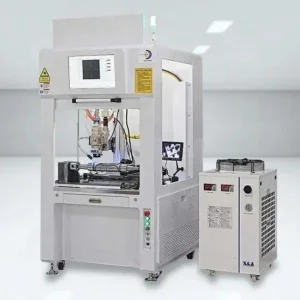
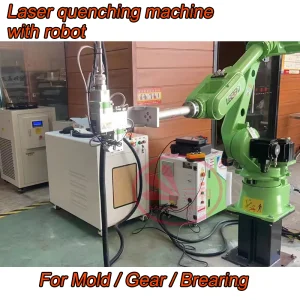
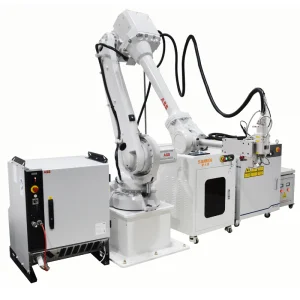
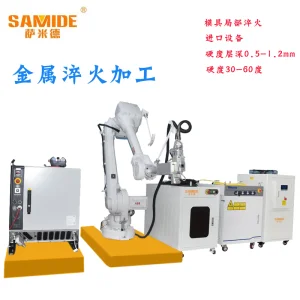
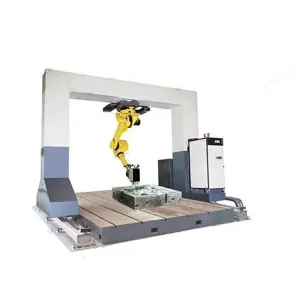
Basic Info.
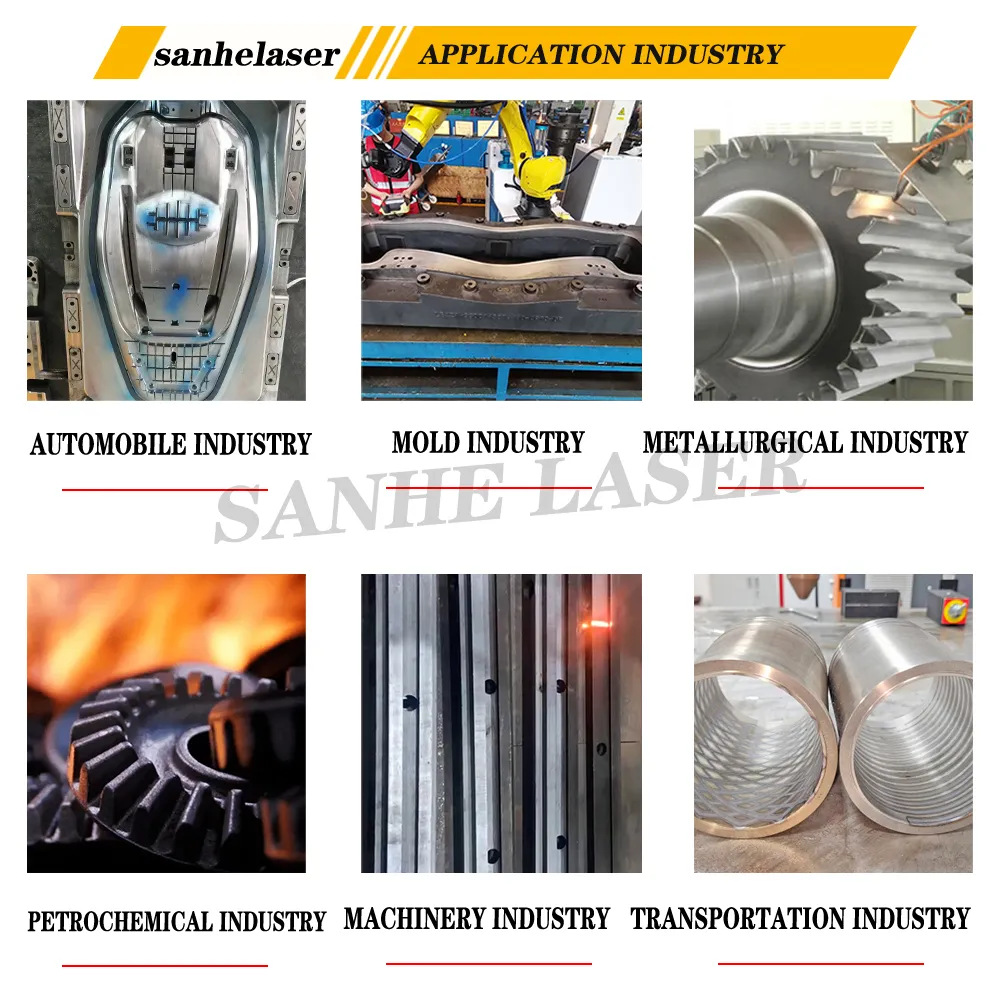
Application
Aerospace, Heavy-Duty Machinery, Petroleum Metallurgy
Product Description
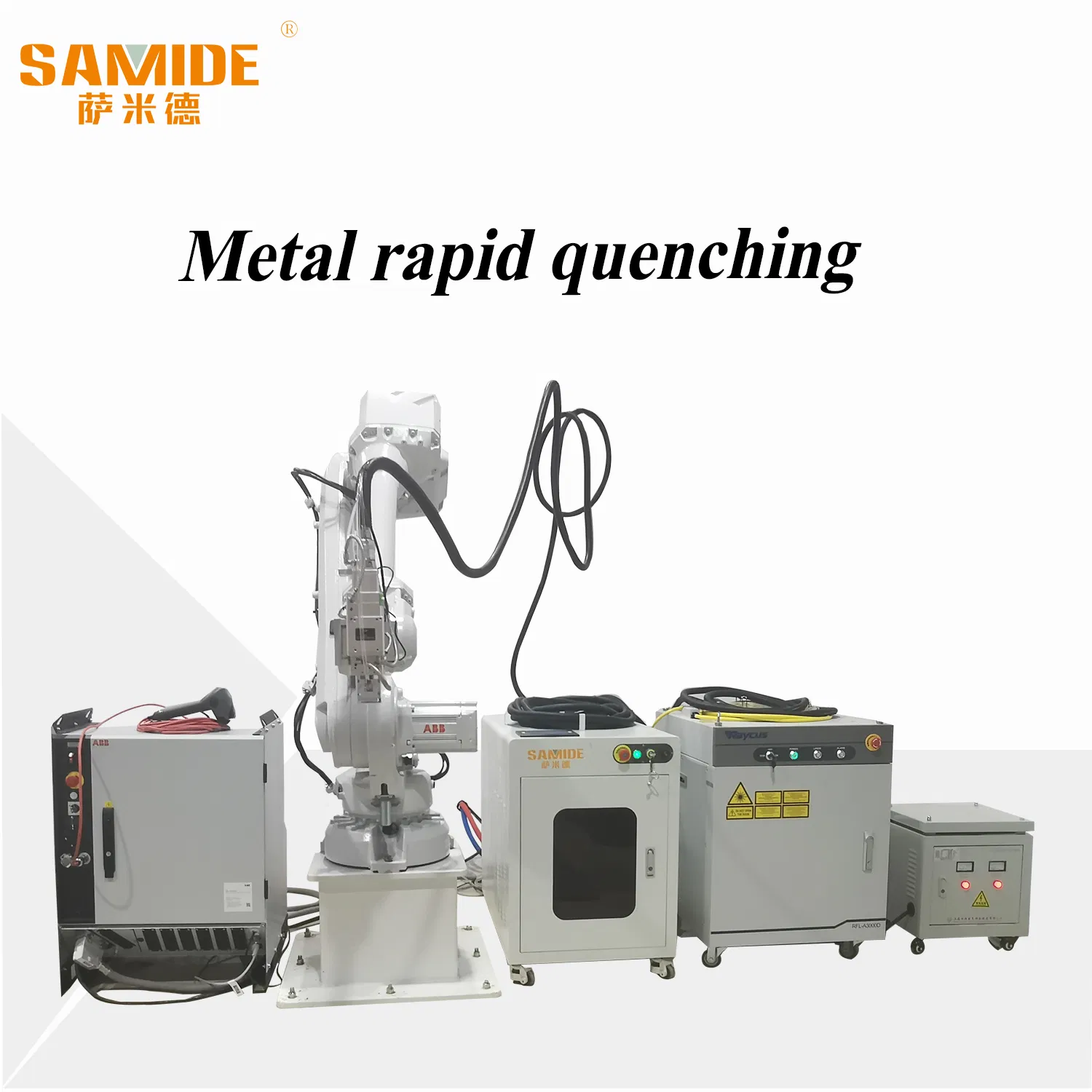
| Wave length(nm) | 915±10 |
| Rate(Hz) | 50~5k |
| Output head mode | QBH |
| Fiber core(μm) | 600 |
| Cooling | Water cooling |
| Power consumption | 22KW |
Our Advantages
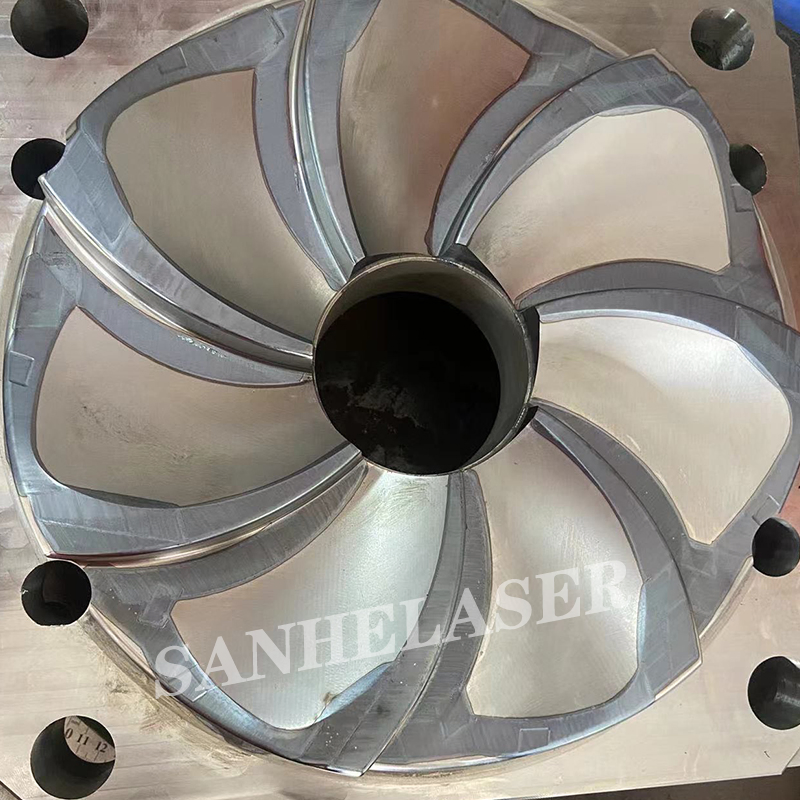
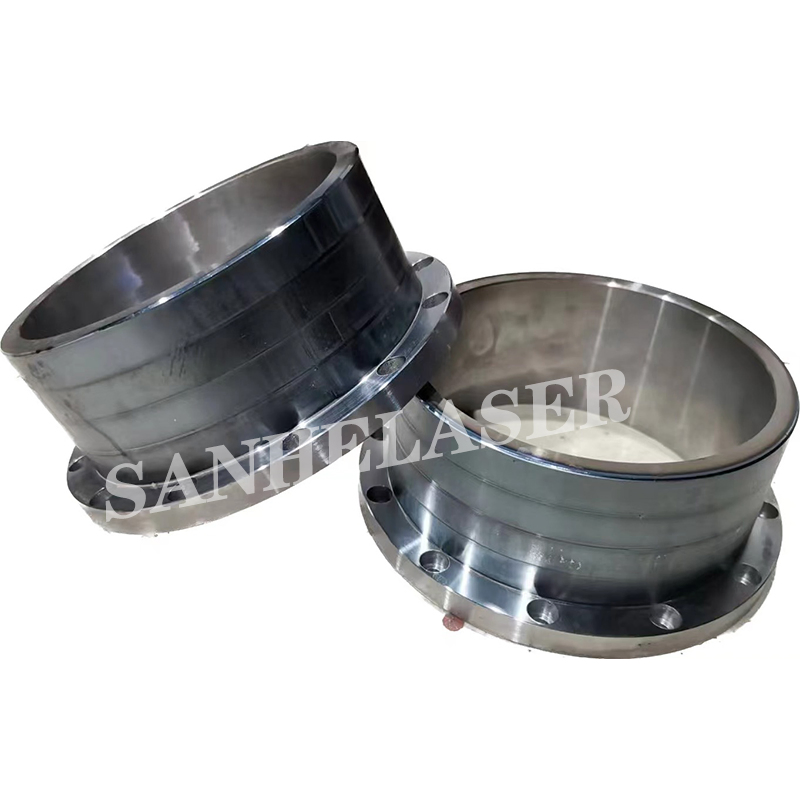
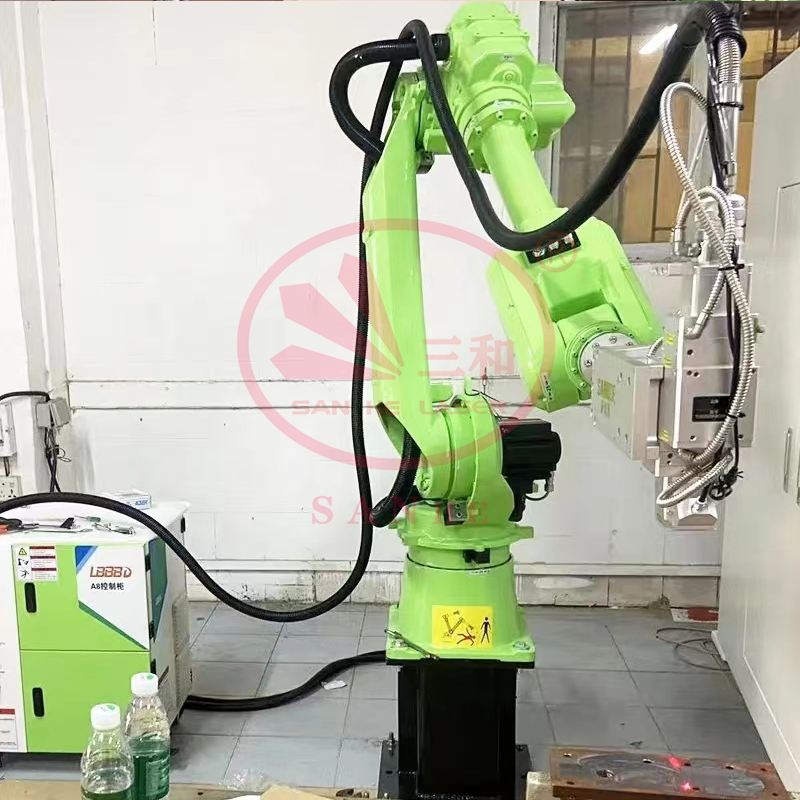
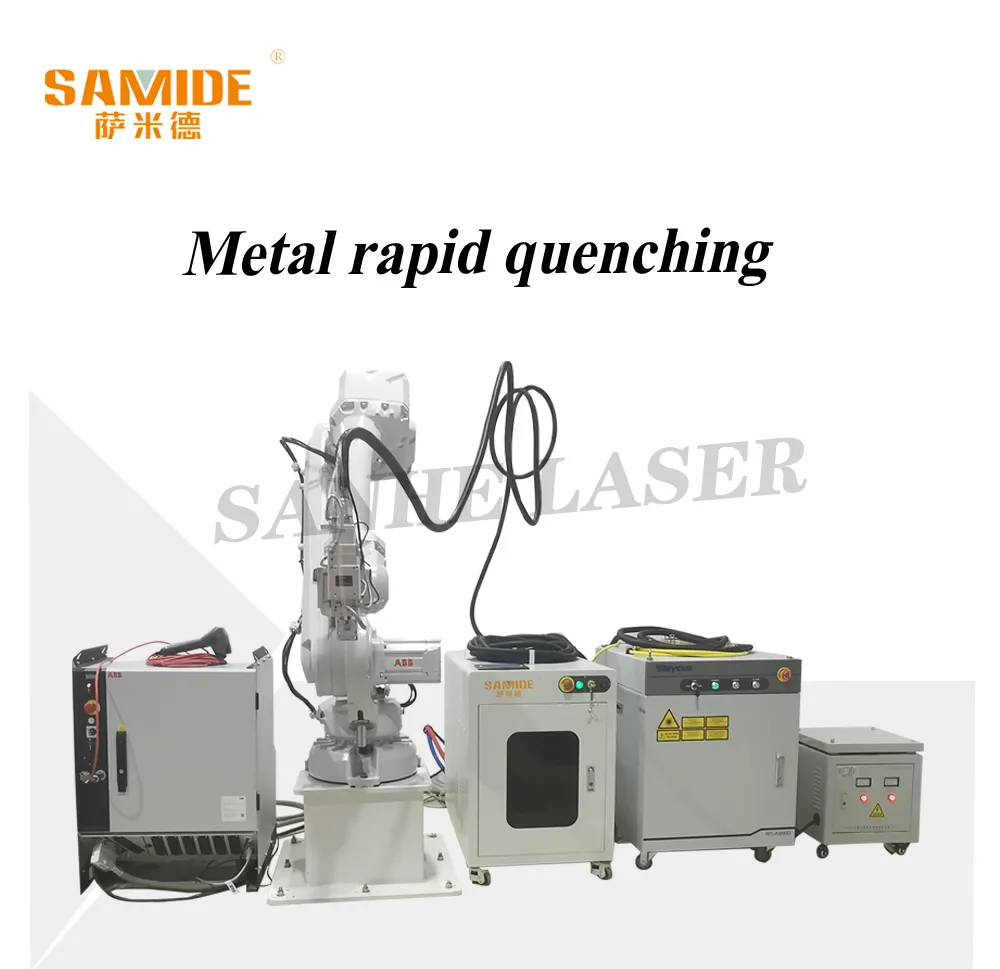
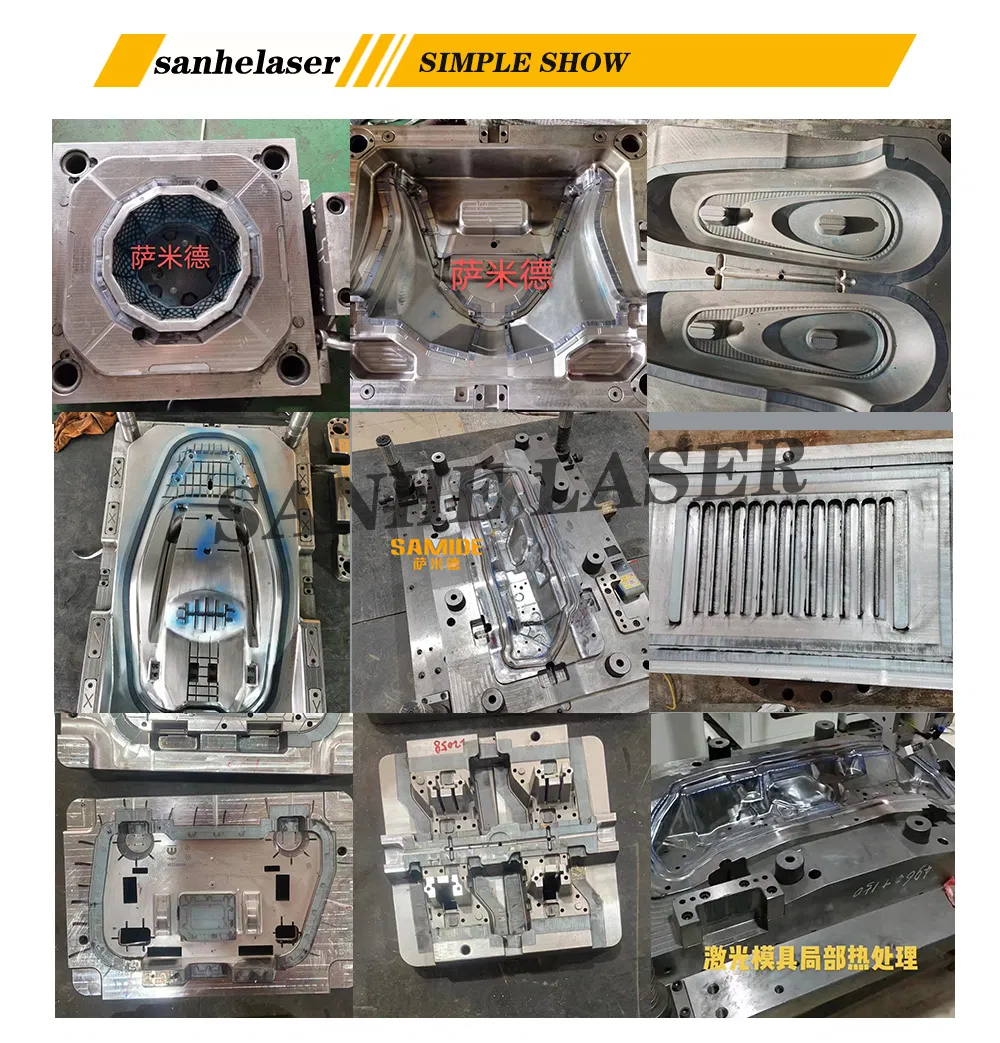
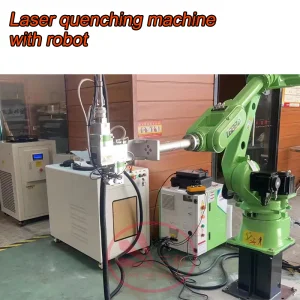
Laser quenching is a technique that uses a laser to heat the surface of a material above the phase transition point. This process hardens the surface, making it suitable for aerospace, automotive, and heavy-duty machinery applications.
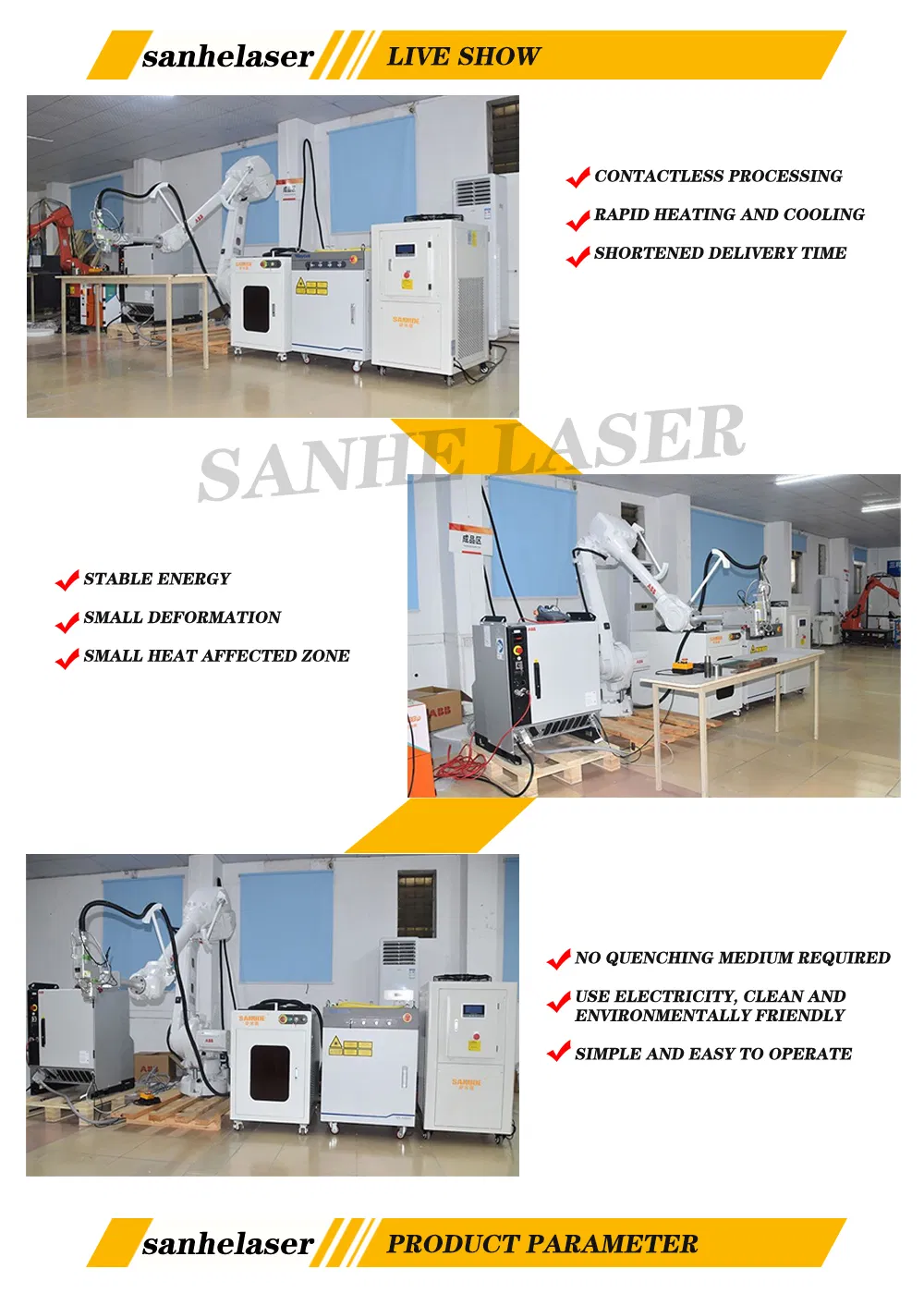
- Deformation-free: Fast thermal cycling ensures parts do not deform.
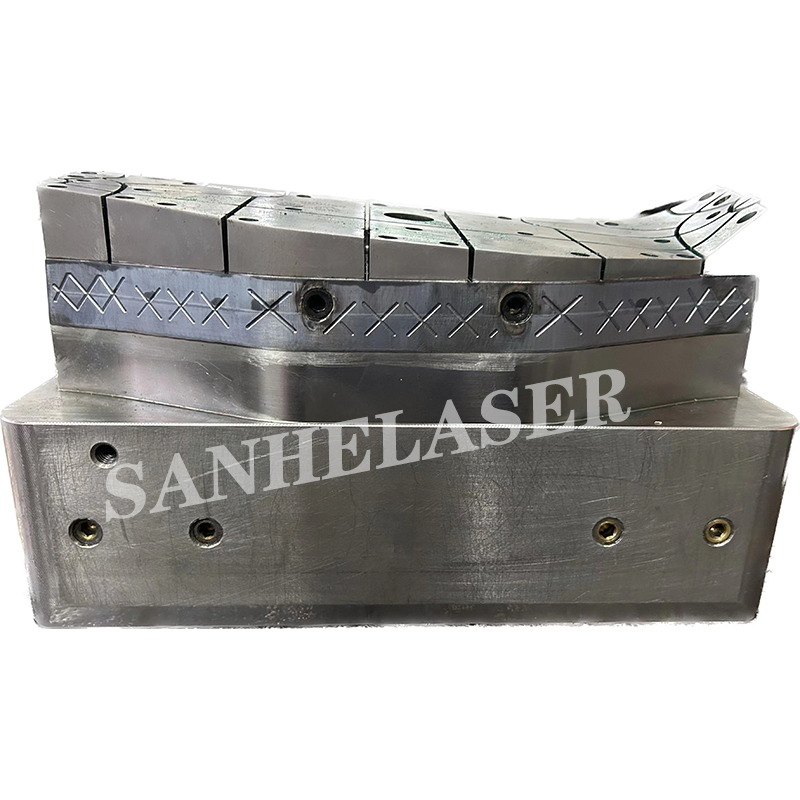
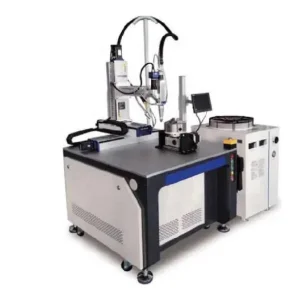
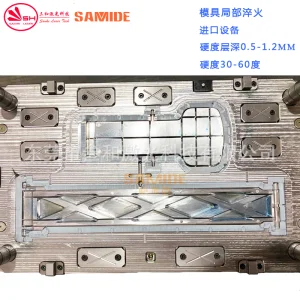
- Precise Control: Accurate CNC quenching for local, groove, and positioning requirements.
- Environmentally Friendly: Clean, efficient process that requires no oil or water cooling media.
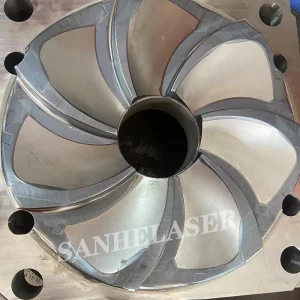
- High Hardness: Produces a fine microstructure with superior strength and toughness compared to conventional methods.
- Versatile Application: Suitable for medium to high carbon steel, cast iron, guide rails, large gears, and more.
FAQ
What materials are suitable for laser quenching?
Laser quenching is highly effective on medium to high carbon steel and cast iron materials, widely used in automotive and aerospace parts.
Does the laser quenching process cause deformation?
No, the process is designed to minimize deformation because the heating is localized, fast, and does not require harsh external quenching media.
What is the typical depth of the hardened layer?
The depth of the hardened layer for laser surface quenching is generally between 0.3mm and 1mm, depending on the specific material and parameters.
Is cooling media like water or oil required?
No, laser quenching is a self-excited cooling process, making it a green, clean, and environmentally friendly heat treatment method.
Can this machine handle complex shapes?
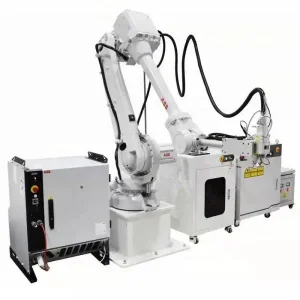
Yes, with accurate CNC positioning and a flexible light guide system, the machine can perform precise local quenching on grooves, threads, and irregular shapes.
 Zico Machine