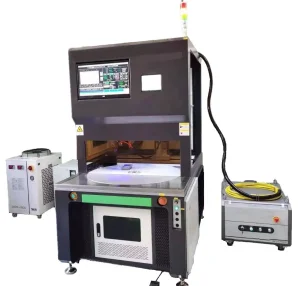
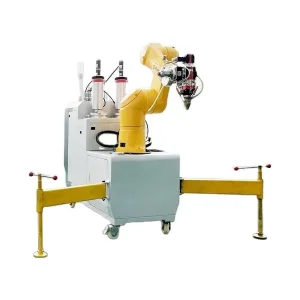
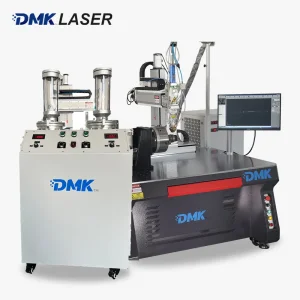
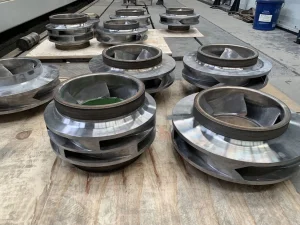
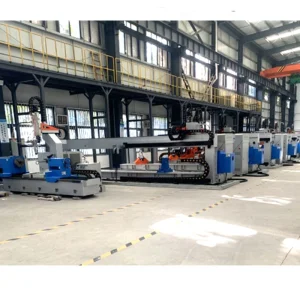
Laser Heat Treatment Cladding Machine Laser Quenching Machine for Hardware Mold Bearing Steel Gear Guide Saw Blade

Customization: Available
After-sales Service: All The Time
Warranty: 1year

Product Description

i

Basic Specifications

Model NO.
3HE-MF3000W
Power
3000W
Application
Aerospace, Heavy-Duty Machinery, Automotive Industry
Automatic Grade
Automatic
Cooling System
Water Cooling
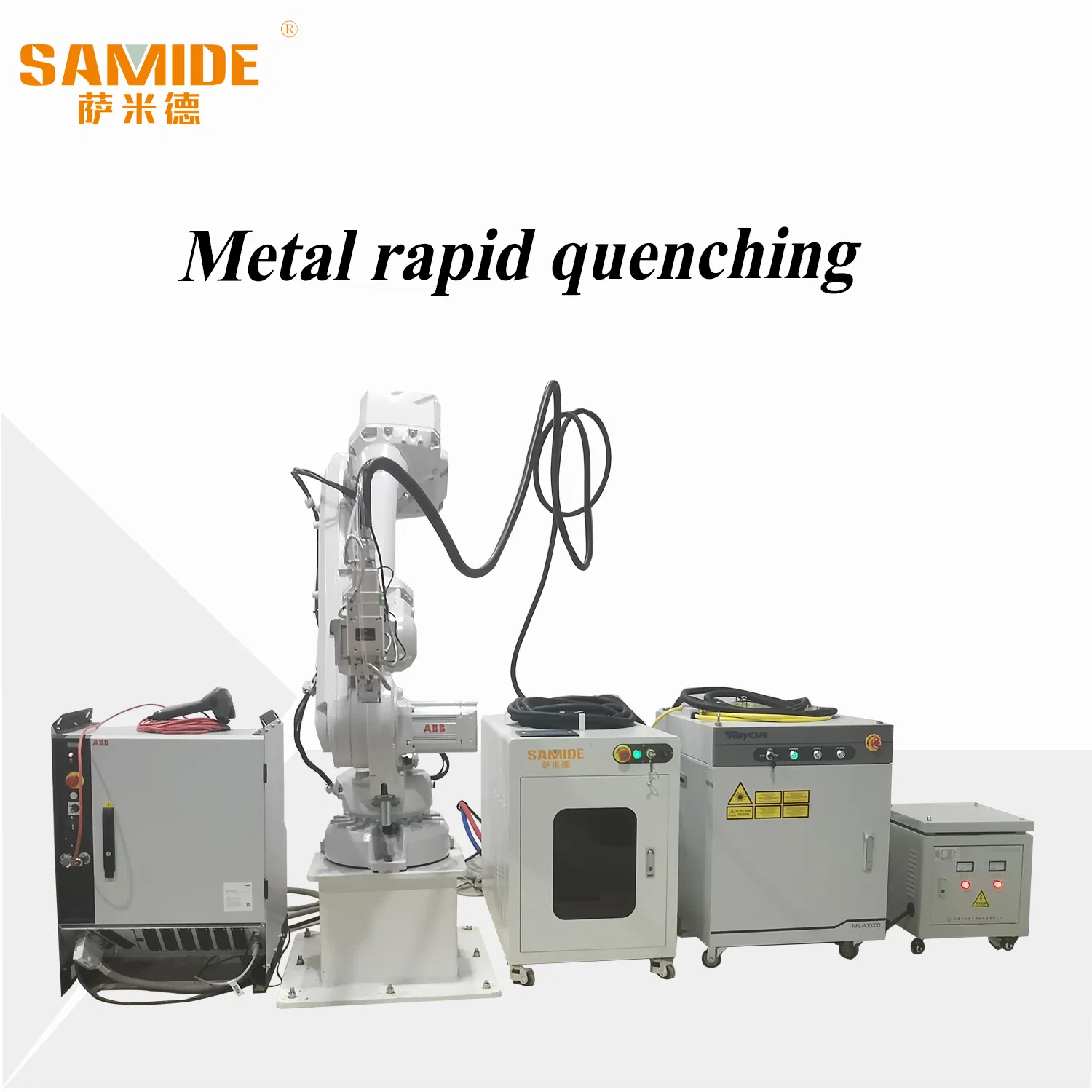
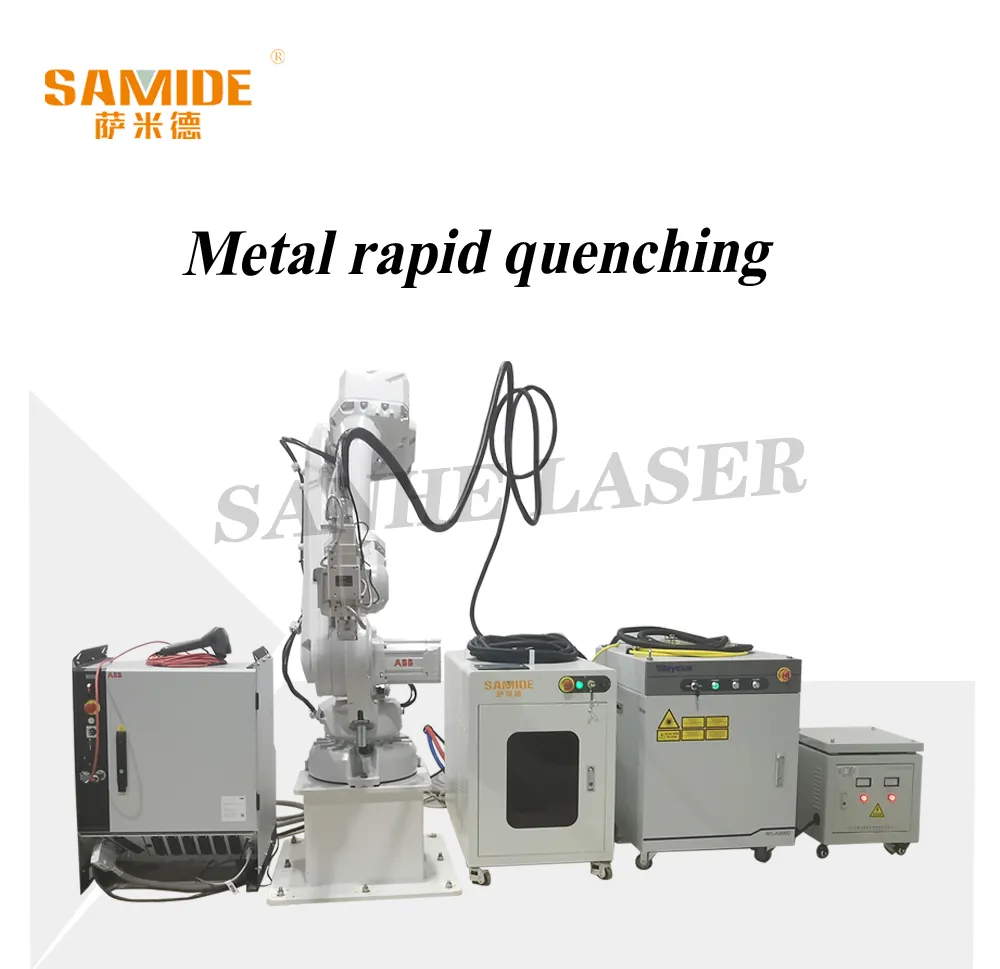
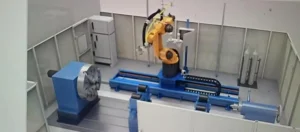
Robot
ABB
Spot Width
15mm
Origin
China
📦

Packaging & Delivery

Package Size
145.00cm * 145.00cm * 210.00cm
Gross Weight
800.000kg

Product Gallery

Technical Parameters

Laser Performance
Wave Length (nm)915±10
Output Unstability (%)<3
Rate (Hz)50~5k
Laser Head Parameters
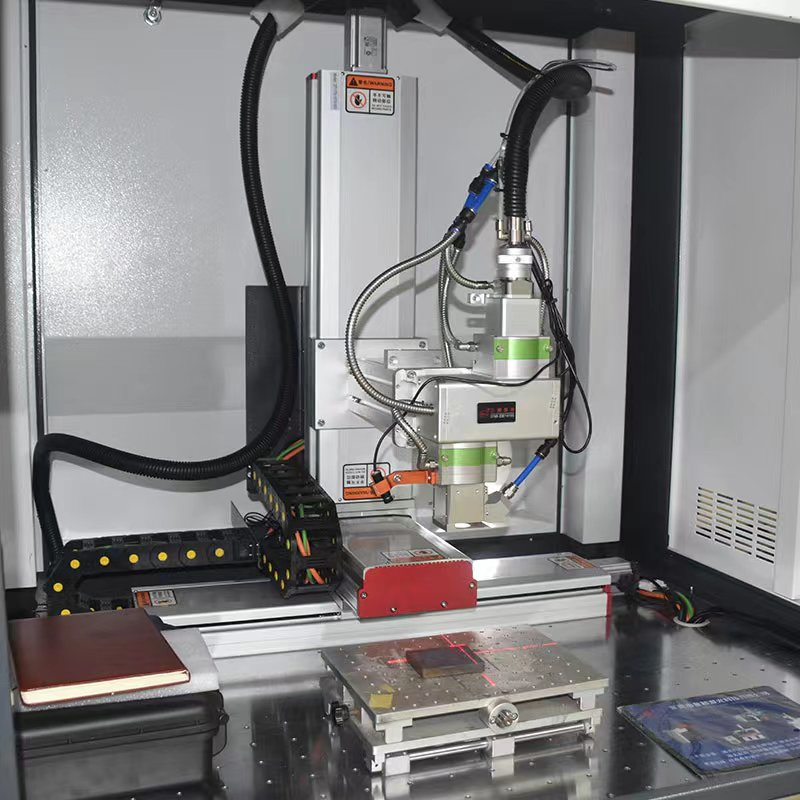
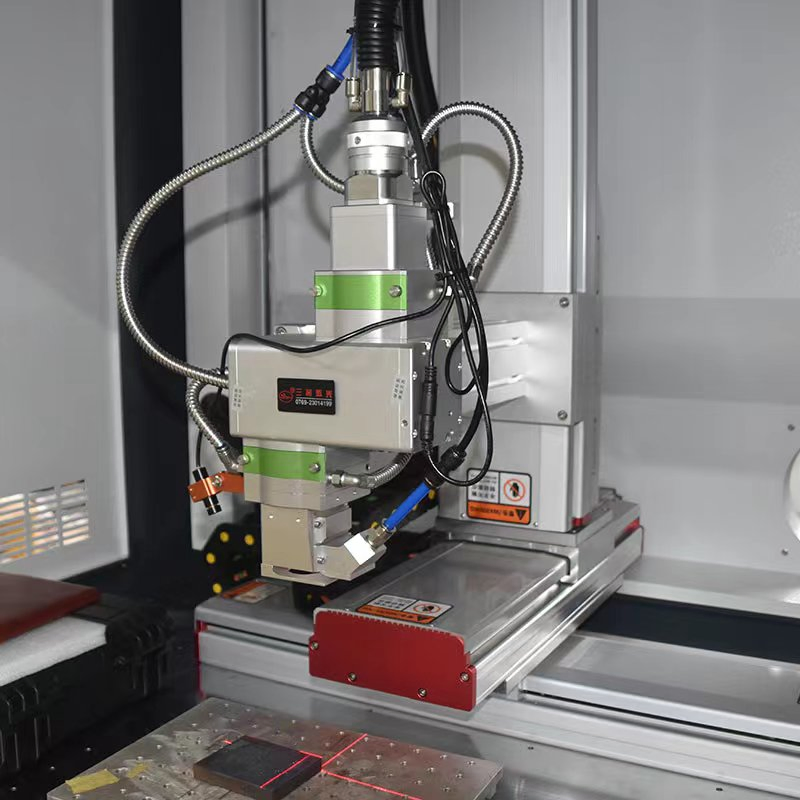
Output Head ModeQBH
Fiber Core (μm)600
Fiber Length (m)20
Electronic & General
VoltageAC380V±38V, 50/60Hz
Power Consumption22KW
Dimensions (W×H×D)650×950×980 mm
Operating Temp (ºC)10~40

Characteristics & Advantages

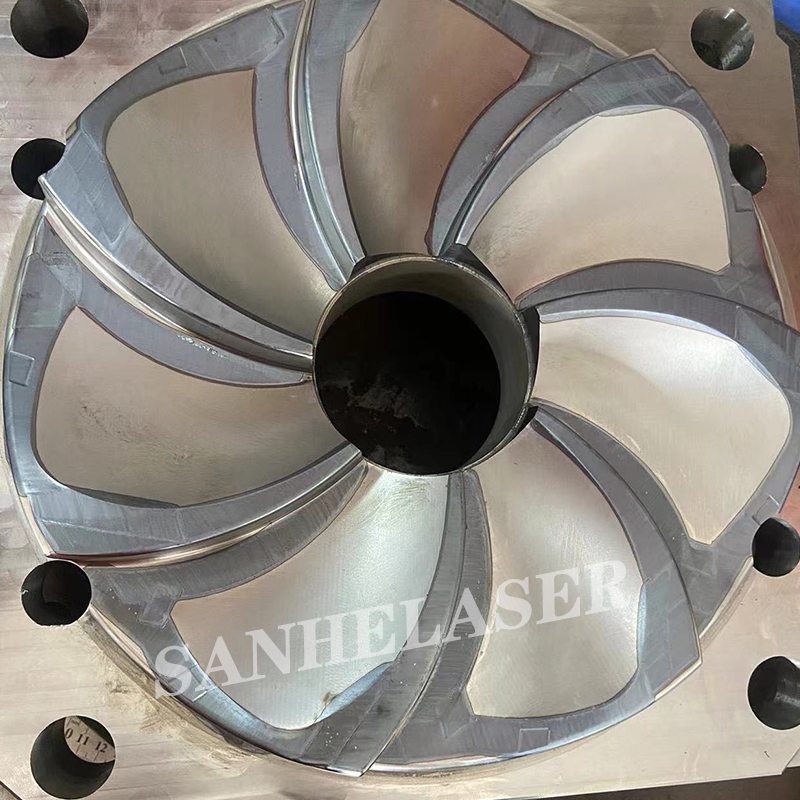
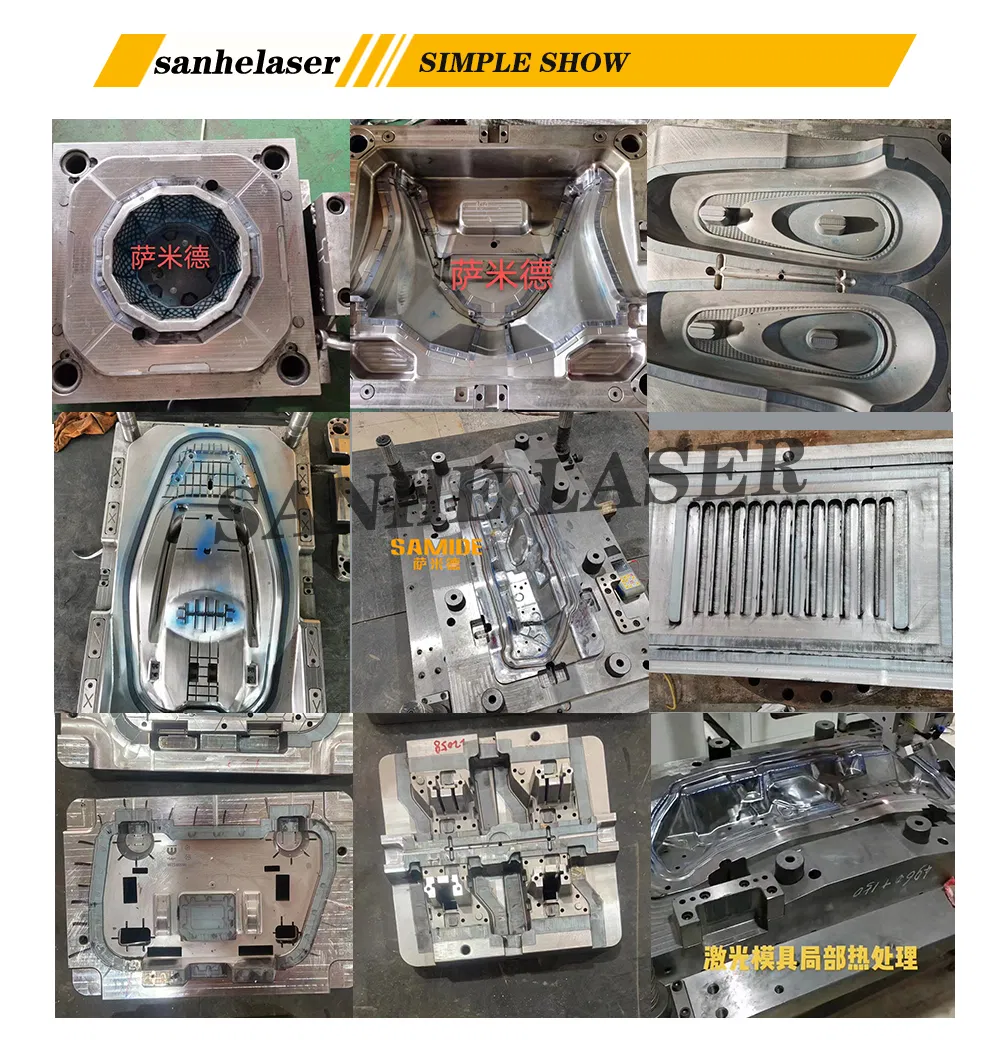
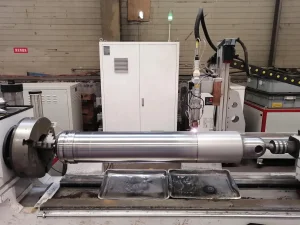
Laser quenching uses laser to heat the surface of a material above the phase transition point for superior surface hardening.
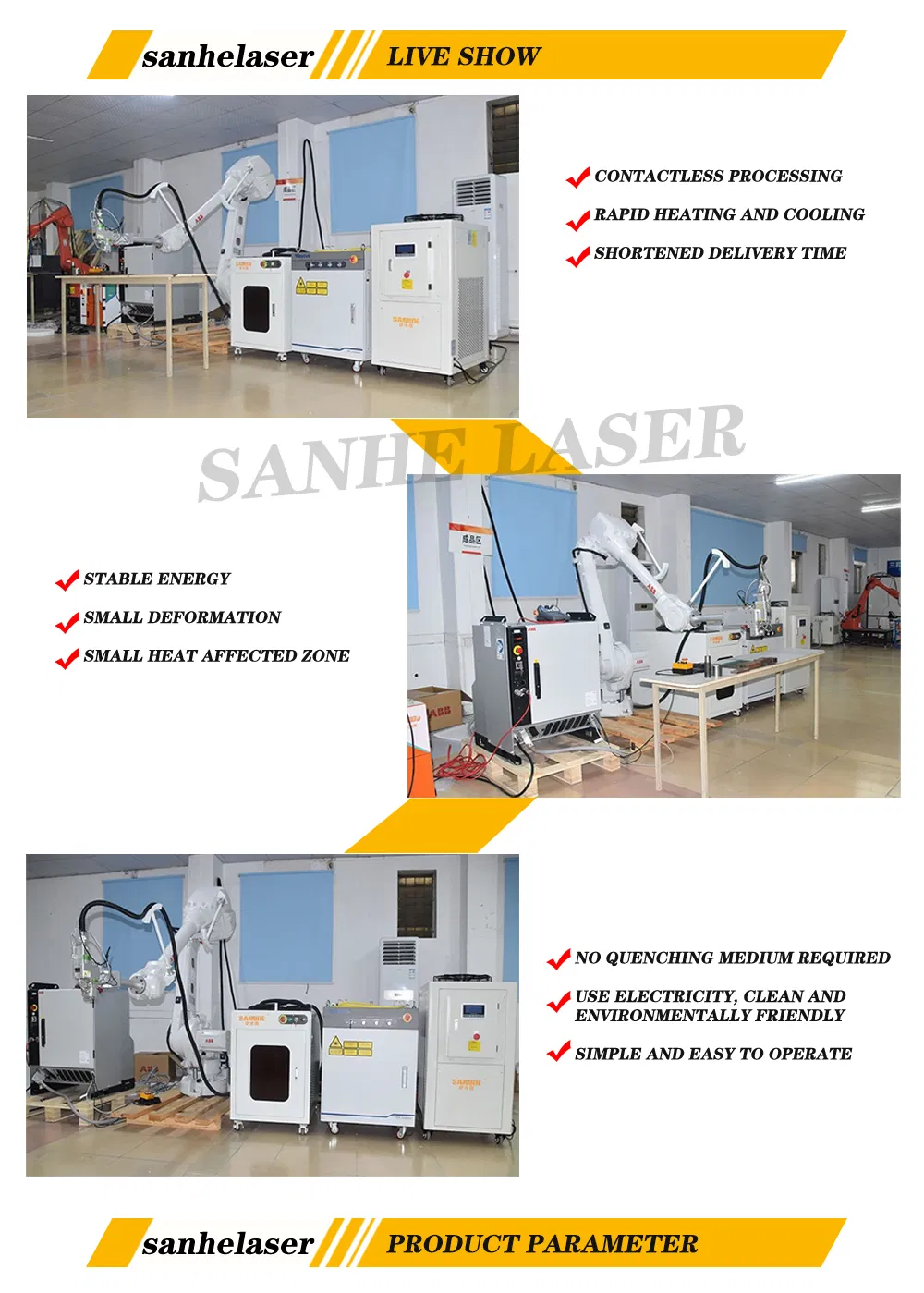
No Deformation: Quenched parts retain their original shape due to the rapid thermal cycling process.
Surface Integrity: Roughness is virtually undamaged; utilizes thin anti-oxidation protective coating.
CNC Precision: Accurate quantitative quenching for local areas, grooves, and specific positioning.
Green Process: Efficient, clean, and requires no cooling media like water or oil during the hardening phase.
High Hardness: Hardness is higher than conventional methods with a fine microstructure and excellent toughness.
?

Frequently Asked Questions

What materials are suitable for laser hardening?
Medium to high carbon steel and various types of cast iron are ideal for laser quenching technology.
Will the laser quenching process cause parts to crack?
No, laser quenching is designed to be a crack-free process, utilizing precise CNC control to manage the thermal input.
How deep is the hardened layer?
The depth of the hardened layer for laser surface quenching typically ranges between 0.3mm and 1mm, depending on the material.
Does the machine require oil or water as a cooling medium for the workpiece?
The laser quenching process itself is a self-excited cooling process and does not require external cooling media like oil or water for the material.
What is the advantage of using a robot arm for this process?
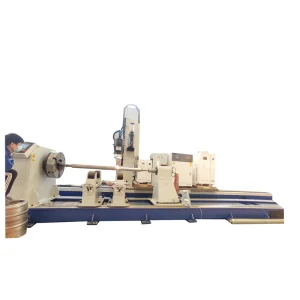
The integrated ABB robot arm allows for 2/3m reach and precise movement, enabling uniform quenching of complex geometries and large mold surfaces.

Related Products