Explore our core systems engineered for precision manufacturing, automotive restoration, fabrication, and clean tech sectors.
An in-depth perspective on the technical convergence, regulatory requirements, and engineering dynamics of industrial laser technologies.
The manufacturing sector is undergoing an aggressive structural transformation. Global initiatives targeting high structural efficiency, minimized environmental impact, and micro-precision demand laser systems that bypass mechanical wear. Driven by demands in electric vehicle (EV) battery manufacturing, lightweight aerospace alloy fabrication, and semiconductor cleanroom processes, laser technologies are shifting from legacy tooling to multi-axis intelligent laser architectures.
According to market data, the transition towards laser welding, sub-nanosecond marking, and dry surface laser cleaning is expanding rapidly. Global industrial buyers are moving away from chemical etching and abrasive sandblasting to avoid thermal distortion and mitigate dangerous waste streams. The implementation of optical beam parameters, high beam quality factors (M² < 1.1), and precise MOPA (Master Oscillator Power Amplifier) pulse tuning enables manufacturers to control surface microstructures down to the micrometer level.
For international procurement, CE Certification represents the benchmark of engineering integrity and structural safety. For high-power laser equipment (ranging from Class 3B to Class 4 laser installations), meeting the European Union’s safety standards is non-negotiable.
CE compliance requires rigorous conformity testing under the Machinery Directive (2006/42/EC), the Low Voltage Directive (2014/35/EU), and electromagnetic compatibility checks (EMC Directive 2014/30/EU). Laser radiation protection is dictated by EN 60825-1, ensuring enclosed interlock channels, dual-channel emergency stops, and emission warning systems are in place. ZICO design protocols guarantee that these systems prevent direct or scattered beam exposure, validating safety configurations for automated operation.
Leading the frontier of intelligent laser machinery from the heart of China’s technological capital.
Founded in Shenzhen, China, Shenzhen Zico Machine Co., Ltd. (ZICO) is a professional manufacturer and global supplier of advanced industrial machinery and intelligent production solutions. With years of experience in the design, development, manufacturing, and export of industrial equipment, ZICO has established a strong reputation for delivering reliable, efficient, and innovative machinery to customers worldwide.
Headquartered in Shenzhen, one of China's leading centers for technological innovation and advanced manufacturing, ZICO specializes in the research, production, and sales of high-performance machinery, automated production equipment, and customized industrial solutions. Our products are widely used across various industries, including metal fabrication, construction, automotive components, household appliances, electronics manufacturing, packaging, and industrial processing.
Today, ZICO serves customers in more than 100 countries and regions, providing professional equipment solutions and technical support to thousands of enterprises worldwide. Through continuous technological innovation and a strong commitment to quality, our machines have earned the trust of distributors, manufacturers, and industrial partners across Europe, North America, South America, Southeast Asia, the Middle East, and Africa.
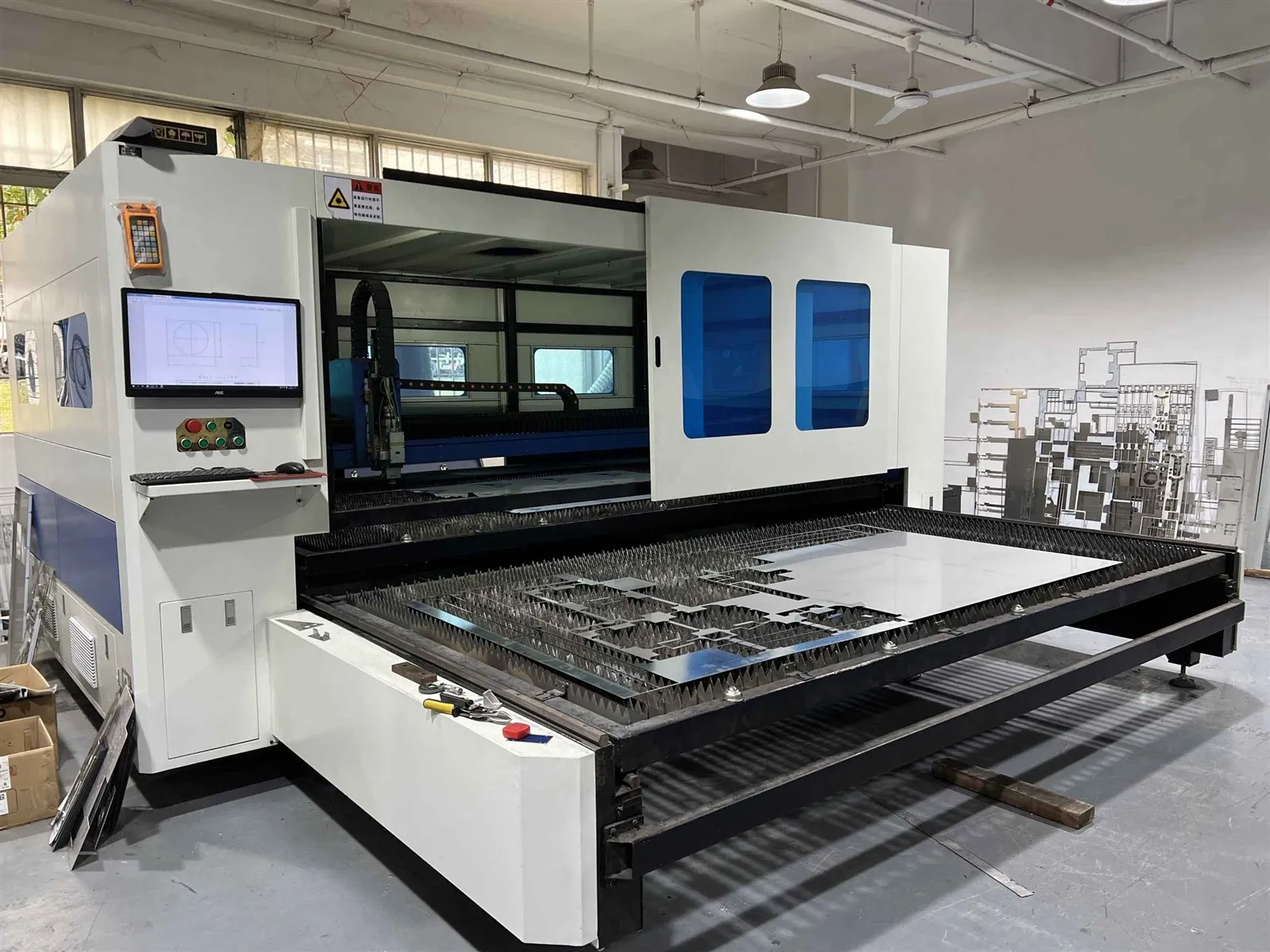
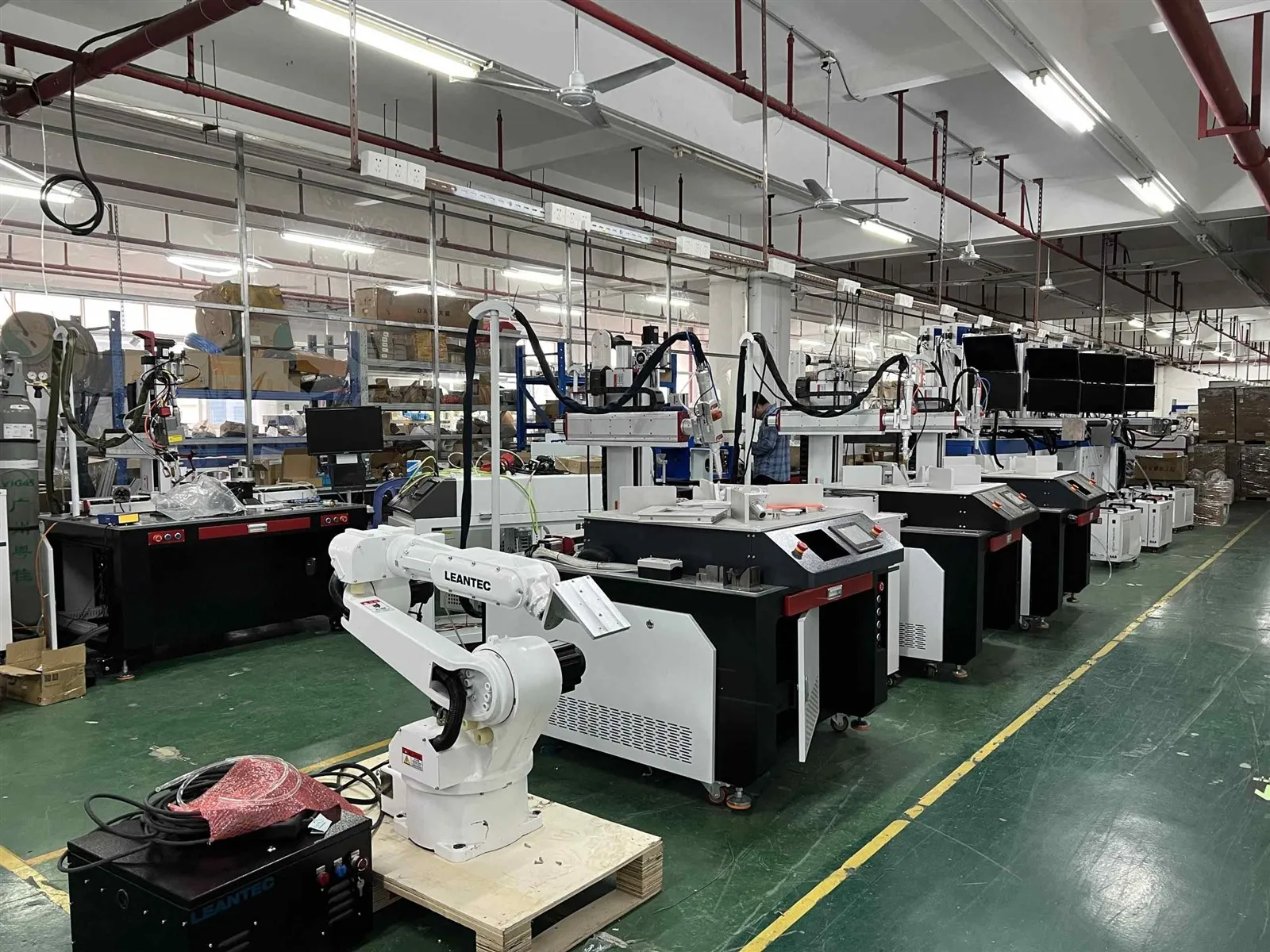
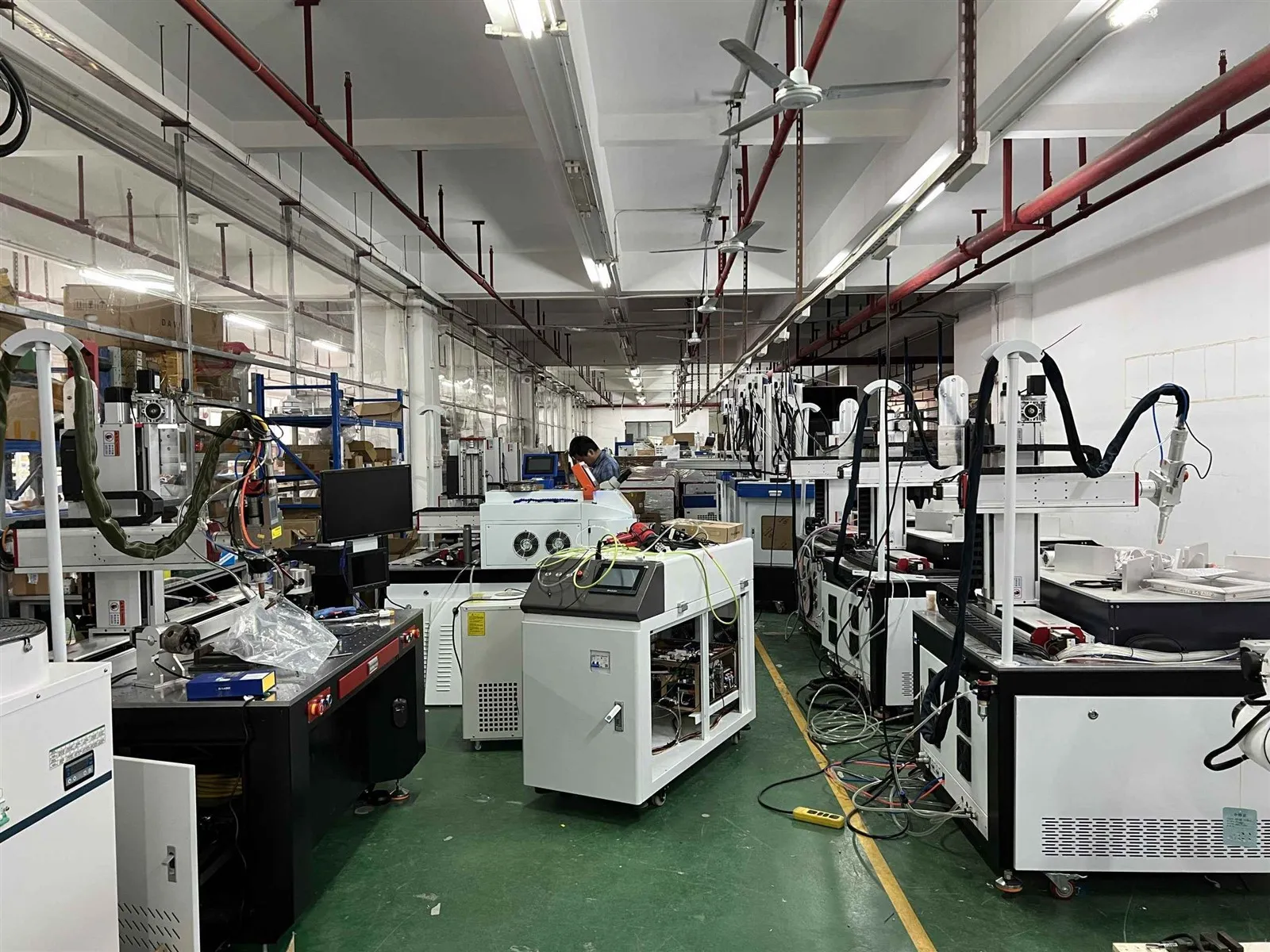
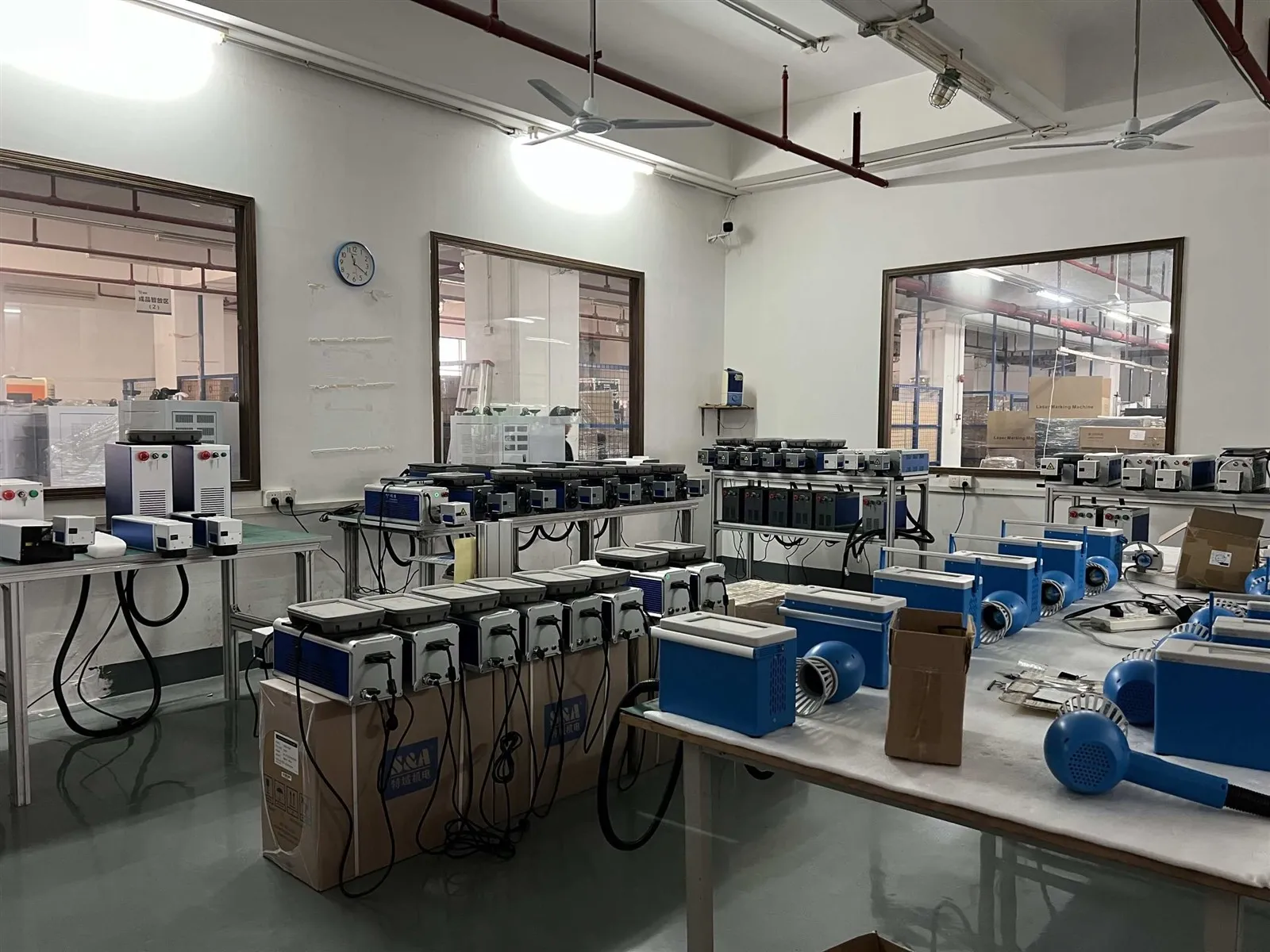
Unlocking supply chain velocity, advanced CNC centers, and component optimization.
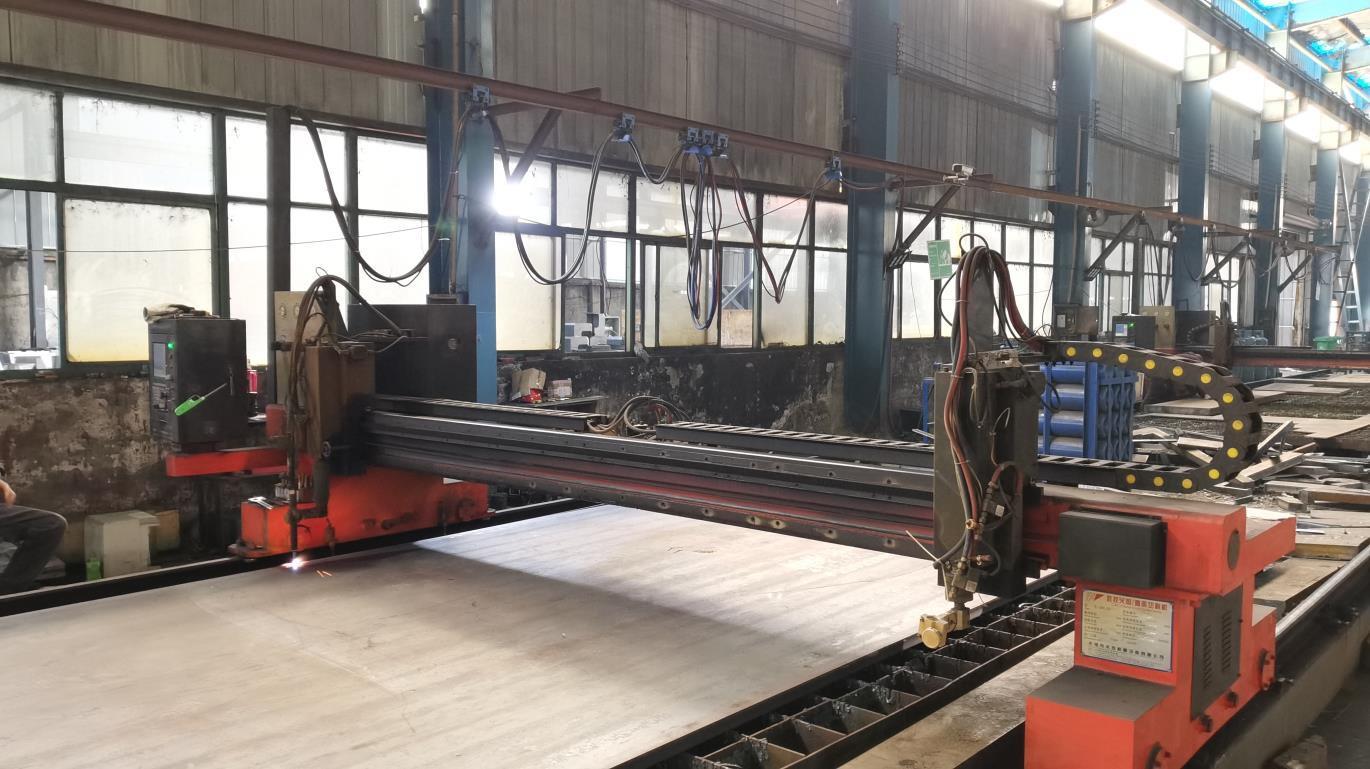
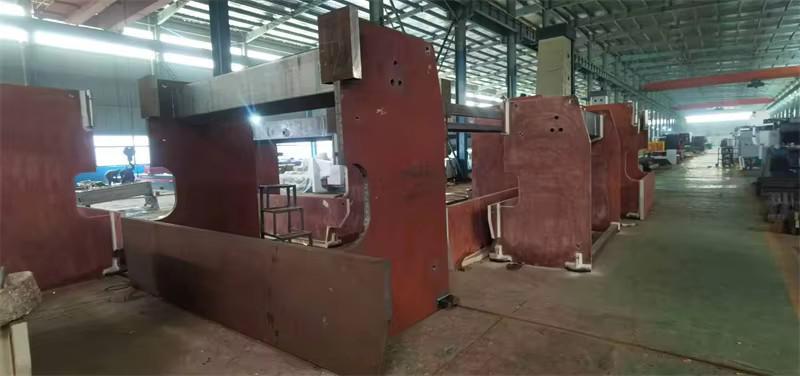
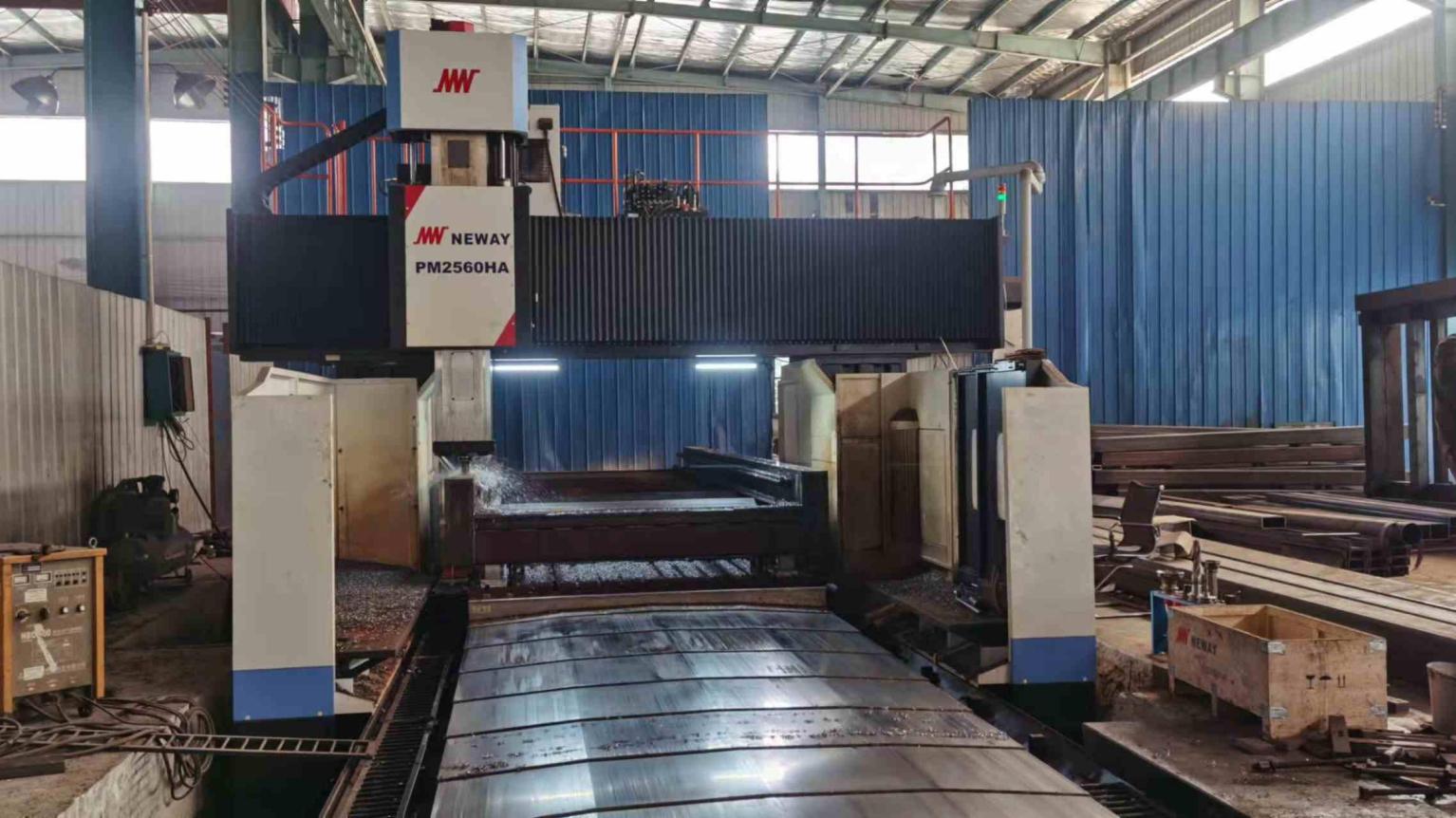
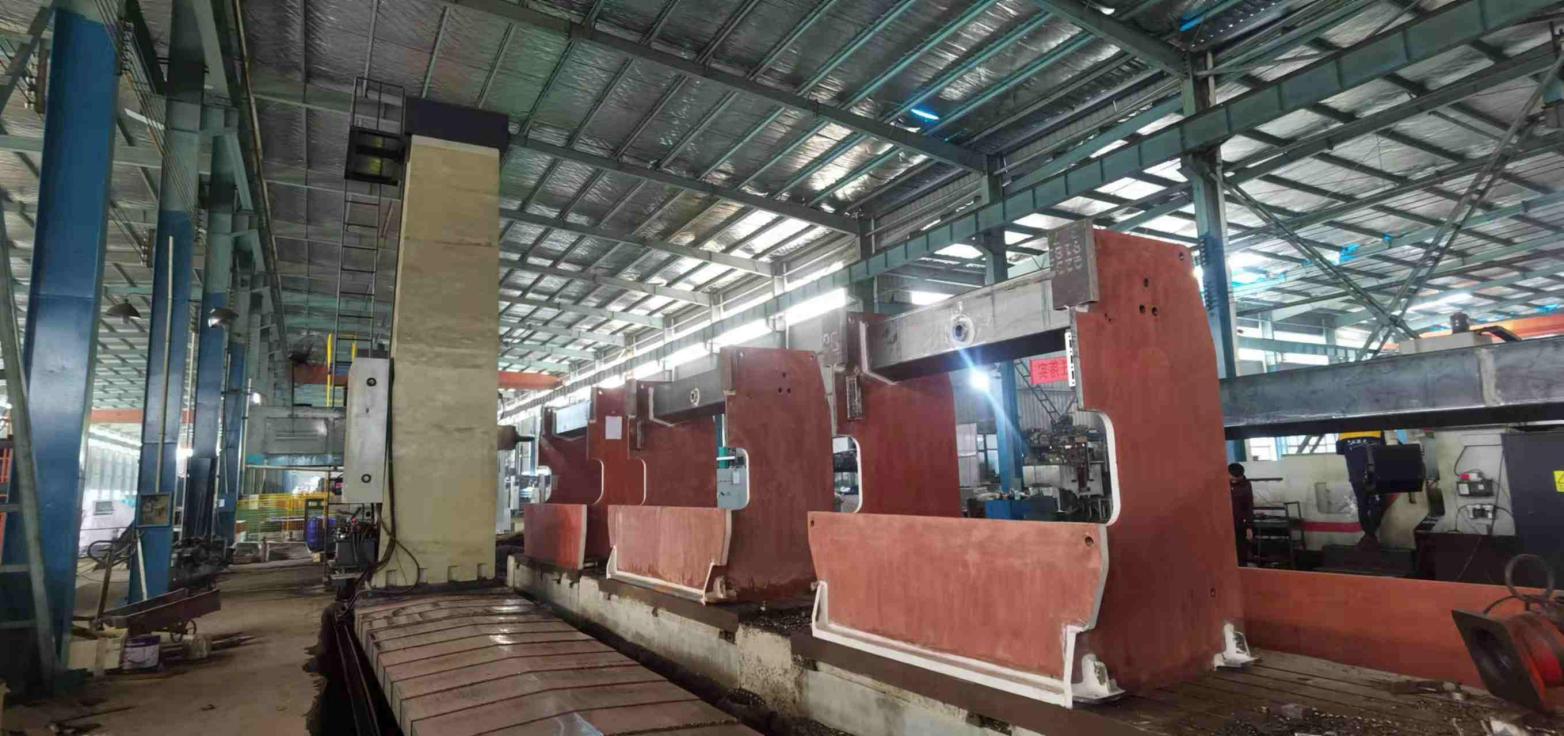
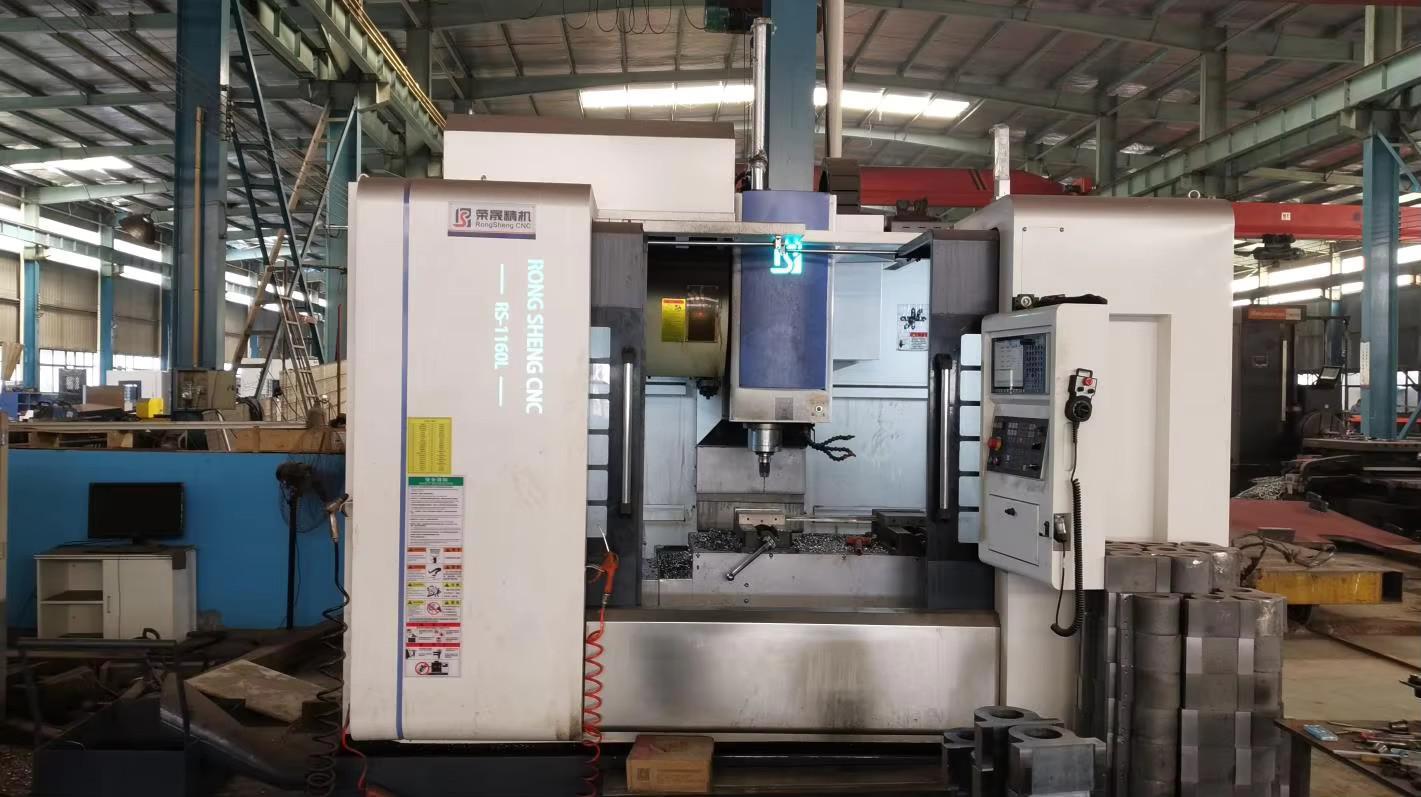
Operating out of Shenzhen gives ZICO a distinct cost-to-performance advantage. The concentration of optical lens manufacturers, fiber source companies (such as Raycus, Maxphotonics, and JPT), and high-precision CNC chassis builders in Southern China allows us to source tested components with minimal transport overhead. This geographic clustering accelerates prototyping and lowers procurement costs for the final system.
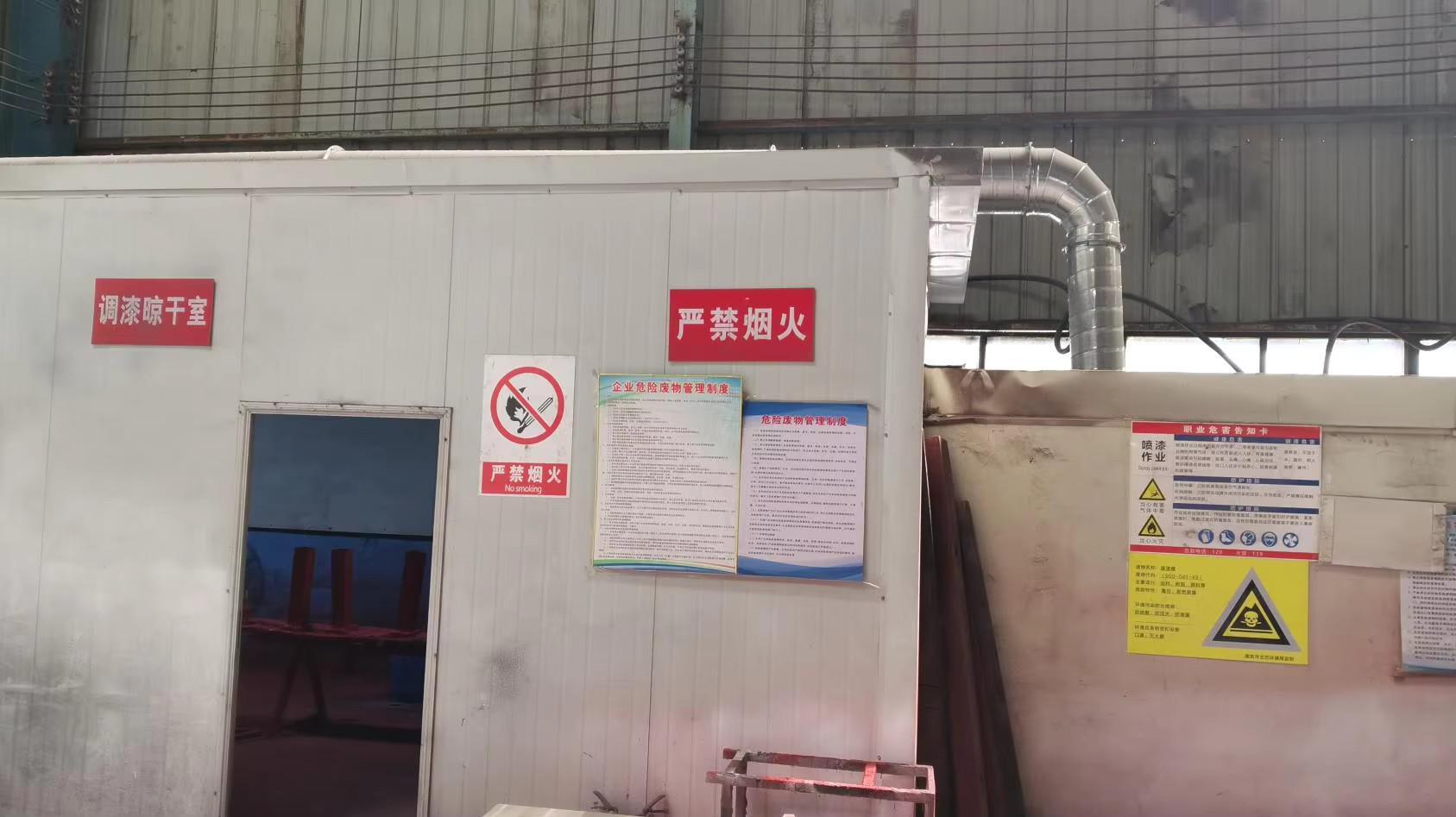
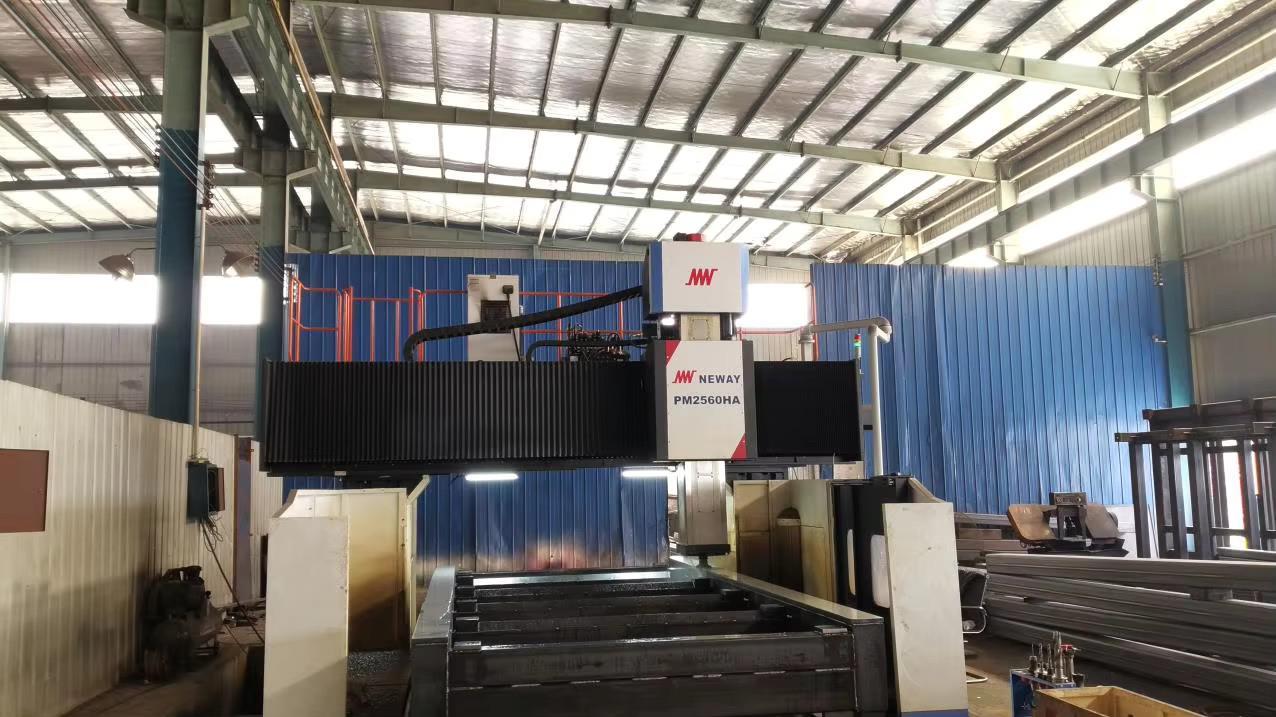
At ZICO, this supply chain advantage is paired with strict internal testing protocols. Every laser system, whether a handheld MOPA engraver or a high-power industrial cladding machine, undergoes continuous thermal stress testing and beam alignment checks before leaving the factory. This ensures that the equipment can handle the demands of international logistics and start-up operations upon arrival.
How ZICO machines serve dynamic requirements across North America, Europe, and regional industrial parks.
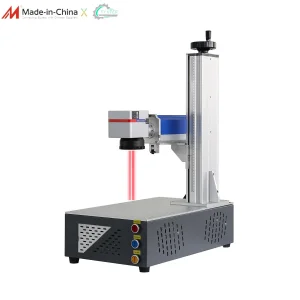
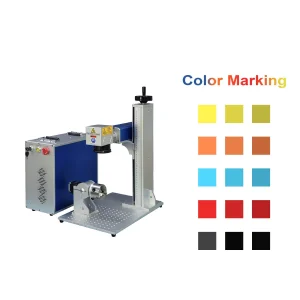
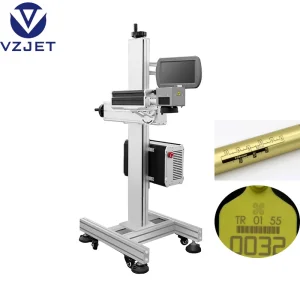
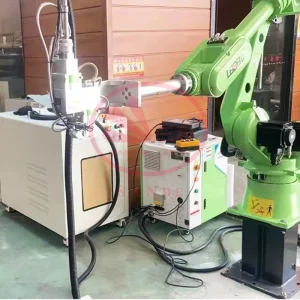
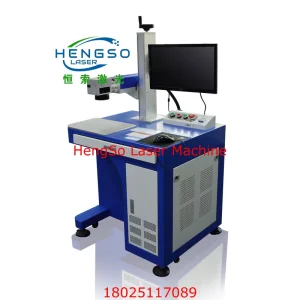
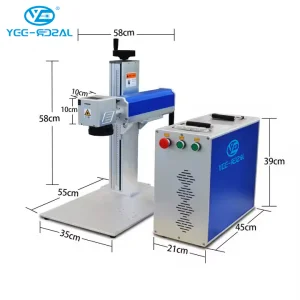
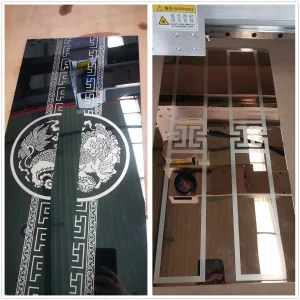
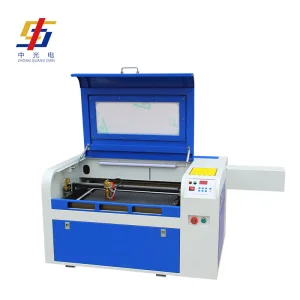
In regions like the Midwestern US and Canadian manufacturing corridors, there is high demand for portable CNC fiber and CO2 laser engraving machines. Customers utilize 20W to 100W marking platforms to etch serialized codes, barcodes, and branding onto aircraft and automotive components. Heavy equipment fabricators rely on our laser hardening systems to increase the wear resistance of mold edges and roller knives, extending their service life under high stress.
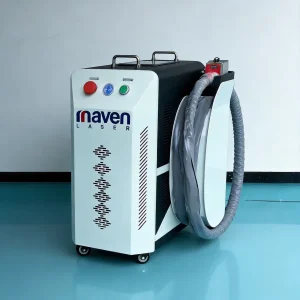
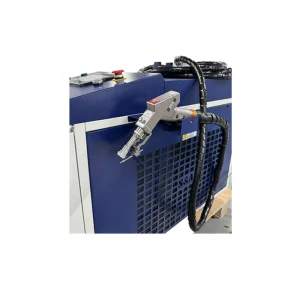
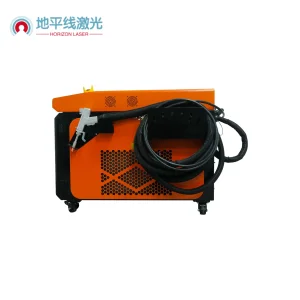
European Union standards require chemical-free manufacturing processes. In Germany, France, and Italy, our 200W handheld pulsed laser cleaning machines and high-power continuous cleaning systems are used to strip paint and oxidation without changing the core geometry of the part. This meets dry surface cleaning requirements for aerospace restoration and EV battery pack preparation.
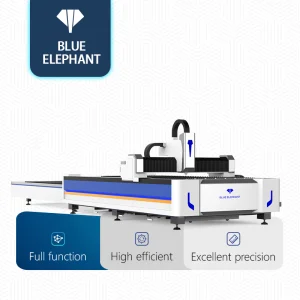
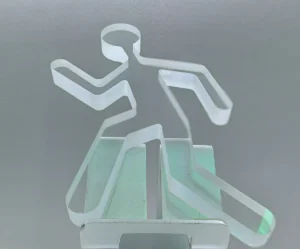
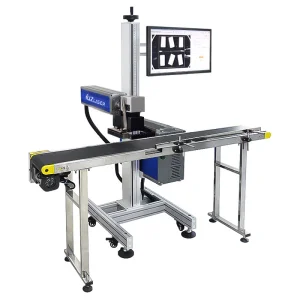
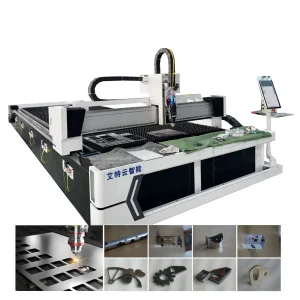
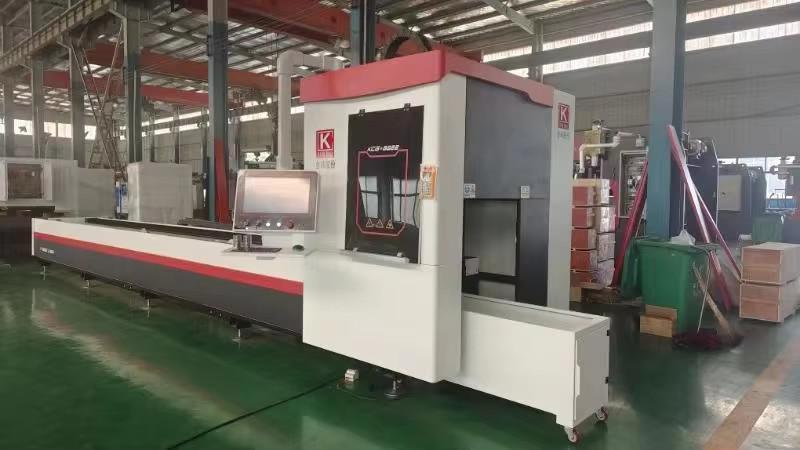
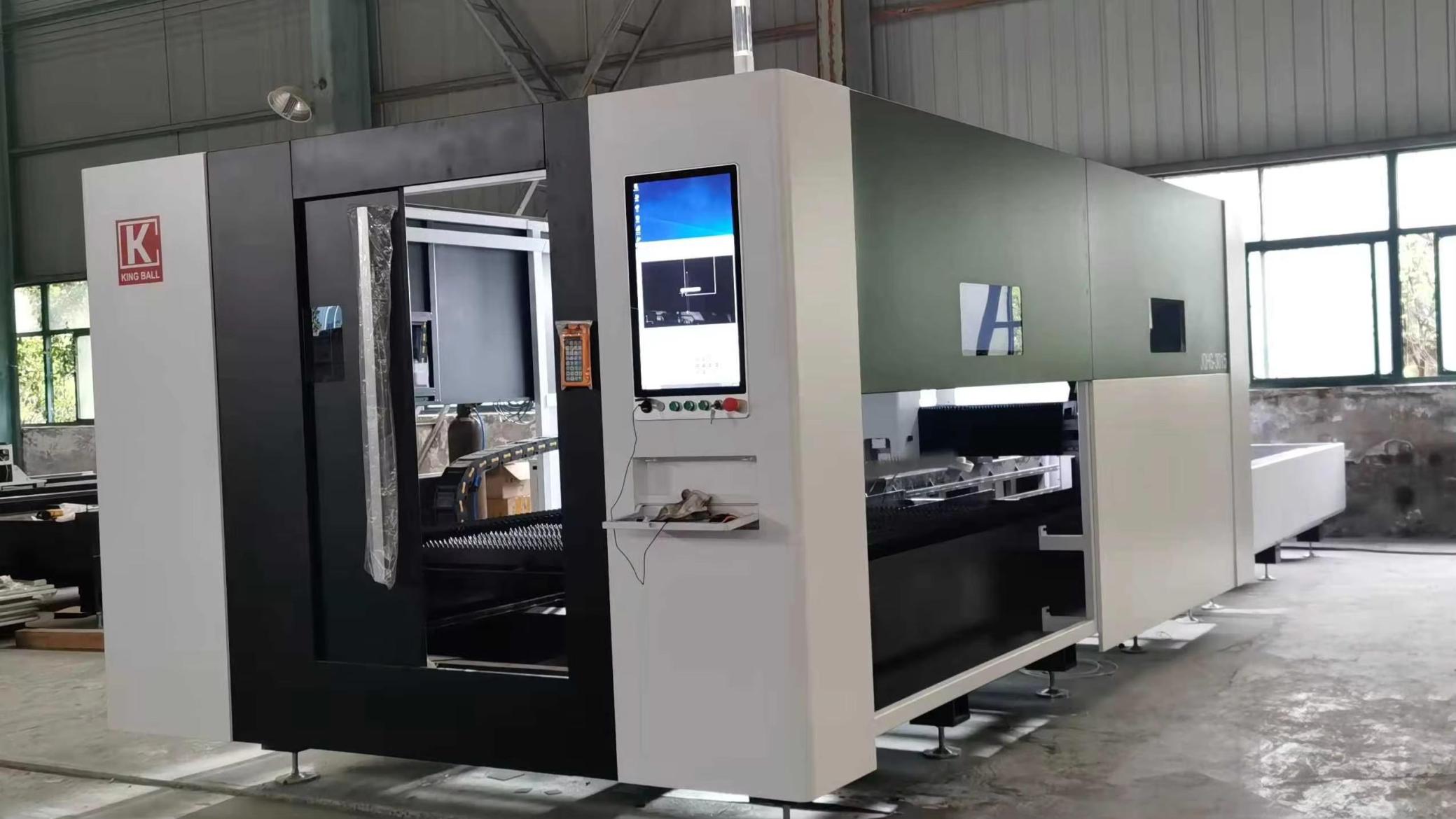
Modern manufacturing is increasingly adopting high-power fiber lasers for metal fabrication, as well as ultra-fast UV lasers for glass and polymers. Systems like ZICO's 1500W-6000W CNC fiber cutting machines provide high processing speed, while UV flying lasers mark glass and plastic cables without creating heat-affected zones. This prevents micro-cracking and material degradation during high-speed production.
Technical responses to frequent questions from manufacturing engineers, facility managers, and global procurement agents.
Advanced systems for high-speed automated marking, sheet metal fabrication, and surface hardening.
 Zico Machine