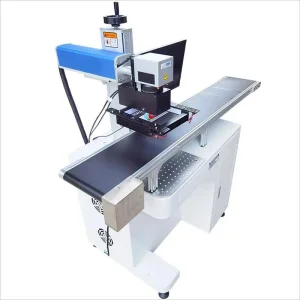
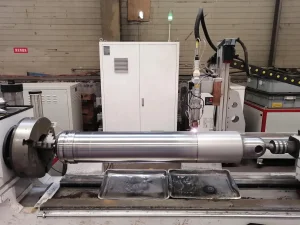
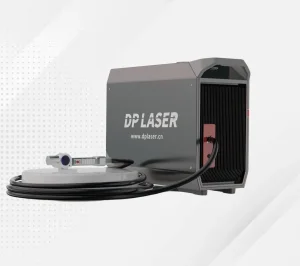
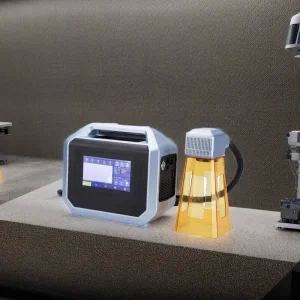
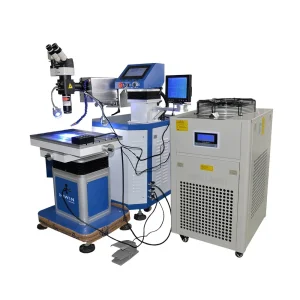
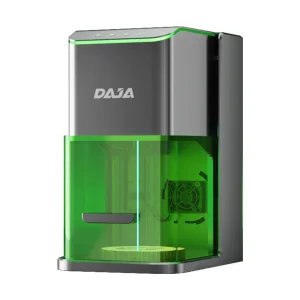
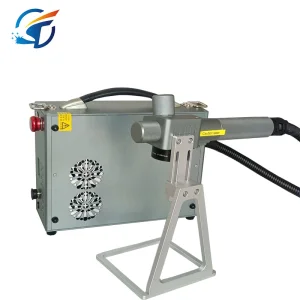
Premium CNC cutting, welding, cleaning, and marking machinery configured to rigorous global industrial calibration requirements.
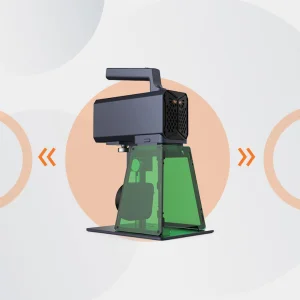
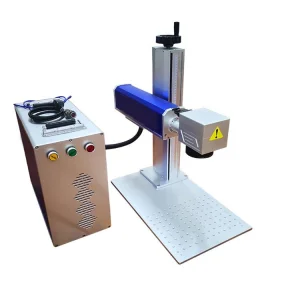
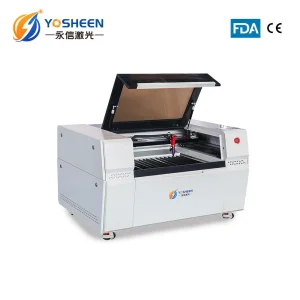
Analyzing the evolution of high-precision spatial positioning, alignment safety, and regulatory standardizations across worldwide supply chains.
In modern high-value industrial production, accuracy is no longer just a target; it is a fundamental driver of profitability and reliability. The global market for laser calibration tools has seen significant growth, driven by the expansion of aerospace fabrication, automotive engineering, semiconductors, and precision medical manufacturing. Today's advanced CNC machines, industrial multi-axis gantries, and robotic laser processing cells require sub-micron precision to align with demanding tolerances. This level of accuracy is achieved through optical metrology systems, particularly laser interferometers, spatial laser trackers, and automated alignment tools.
As manufacturing undergoes a digital transformation driven by the Industrial Internet of Things (IIoT), the role of laser calibration has shifted from periodic offline maintenance to real-time, closed-loop calibration. To minimize downtime, global manufacturers rely on CE-certified laser calibration tools to systematically correct spatial errors, pitch, yaw, roll, and straightness deviations in machine tool guide rails. Without reliable calibration, thermal deformation and mechanical wear lead to structural deviations, directly impacting component quality and increasing scrap rates.
From an international trade perspective, the CE certification (Conformité Européenne) serves as a key standard of reliability and safety. It ensures that calibration tools comply with essential European directives, such as the Machinery Directive (2006/42/EC), Low Voltage Directive (2014/35/EU), and Electromagnetic Compatibility (EMC) Directive (2014/30/EU). For exporters, providing CE-certified instruments is essential to access EU markets and ensure smooth compliance with regulatory bodies worldwide.
A leading Chinese innovator of high-performance CNC machinery, automated production lines, and industrial metrology solutions.
Founded in Shenzhen, China, Shenzhen Zico Machine Co., Ltd. (ZICO) is a professional manufacturer and global supplier of advanced industrial machinery and intelligent production solutions. With years of experience in the design, development, manufacturing, and export of industrial equipment, ZICO has established a strong reputation for delivering reliable, efficient, and innovative machinery to customers worldwide.
Headquartered in Shenzhen, one of China's leading centers for technological innovation and advanced manufacturing, ZICO specializes in the research, production, and sales of high-performance machinery, automated production equipment, and customized industrial solutions. Our products are widely used across various industries, including metal fabrication, construction, automotive components, household appliances, electronics manufacturing, packaging, and industrial processing.
Today, ZICO serves customers in more than 100 countries and regions, providing professional equipment solutions and technical support to thousands of enterprises worldwide. Through continuous technological innovation and a strong commitment to quality, our machines have earned the trust of distributors, manufacturers, and industrial partners across Europe, North America, South America, Southeast Asia, the Middle East, and Africa.
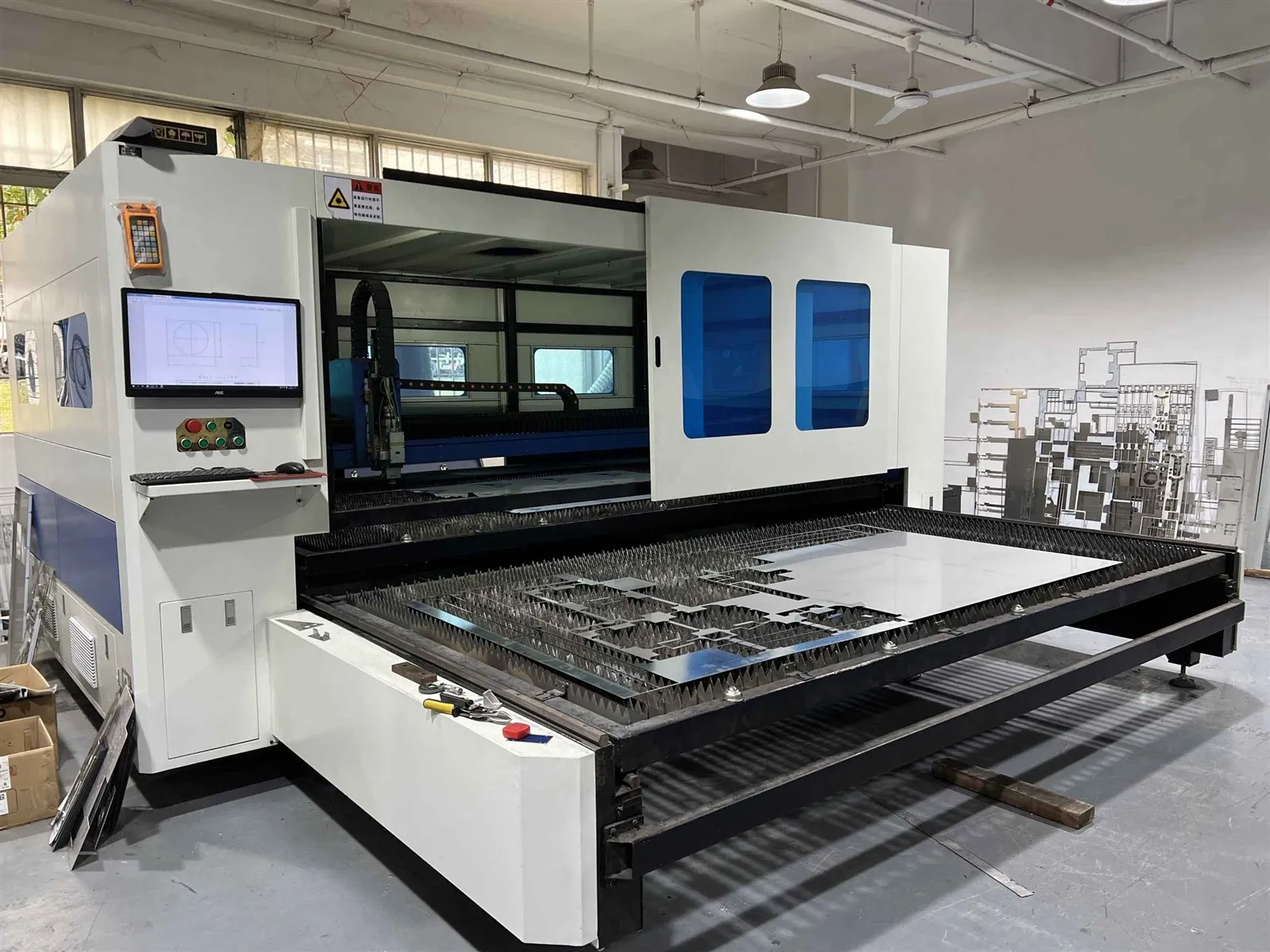
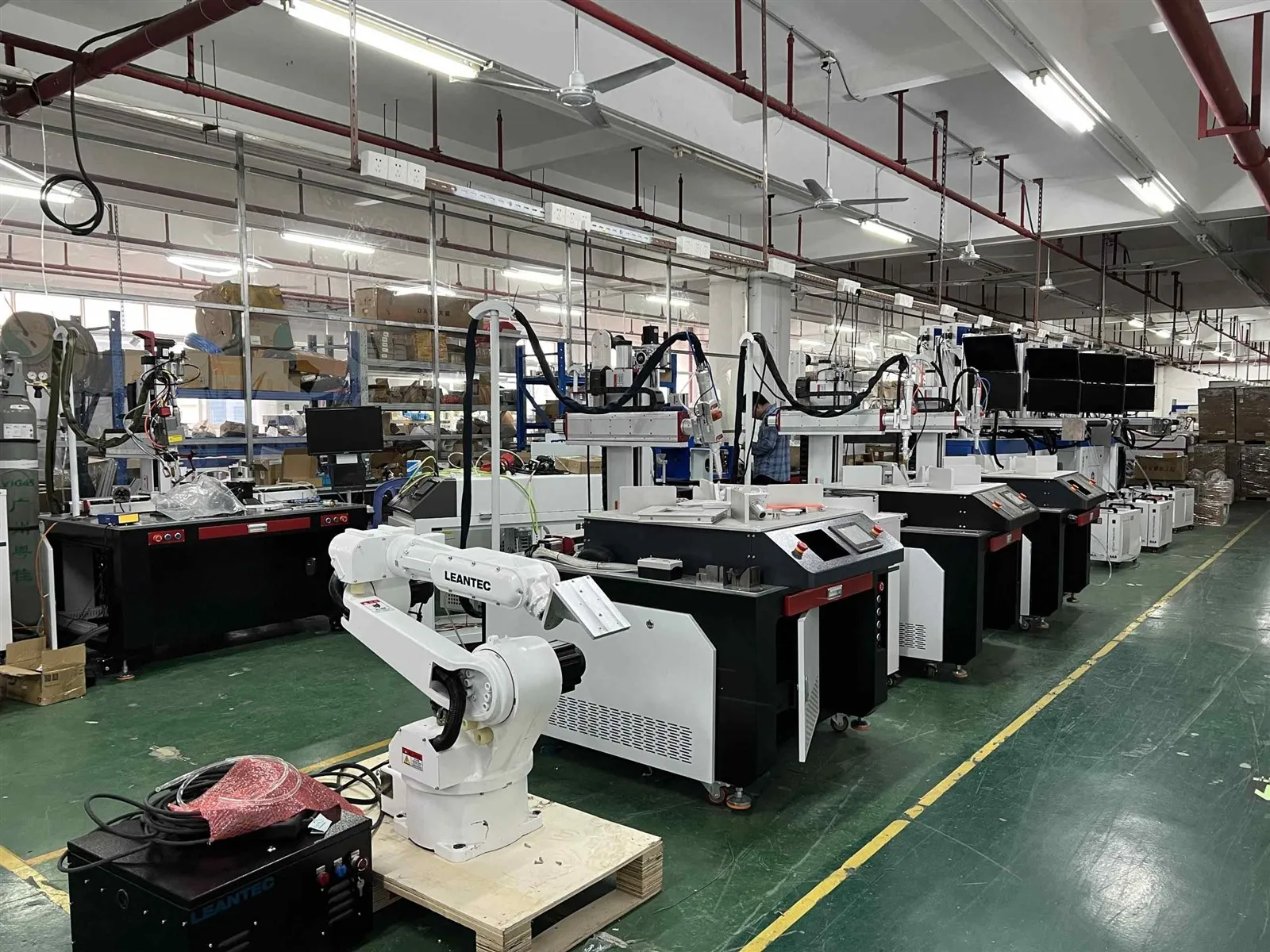
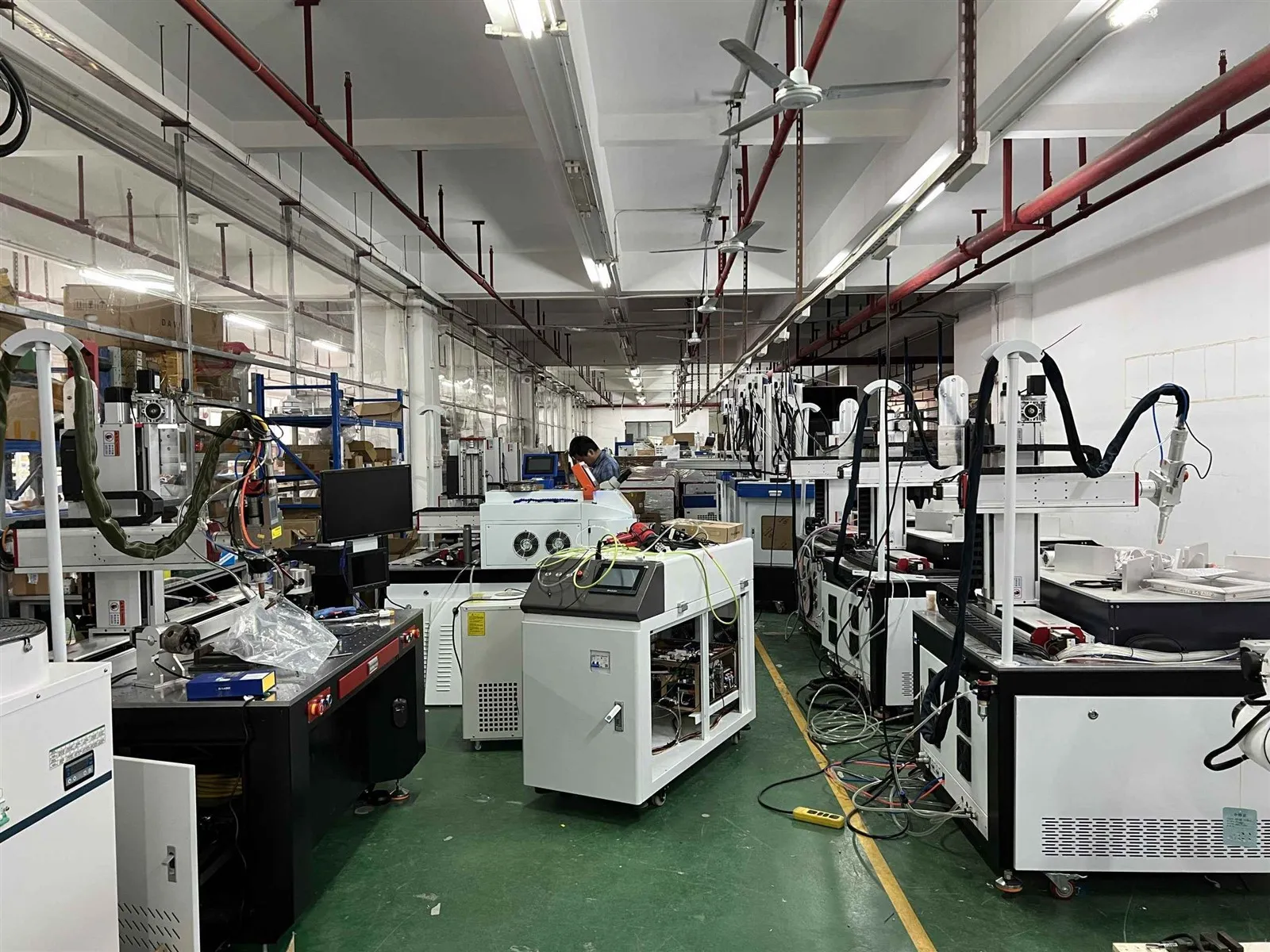
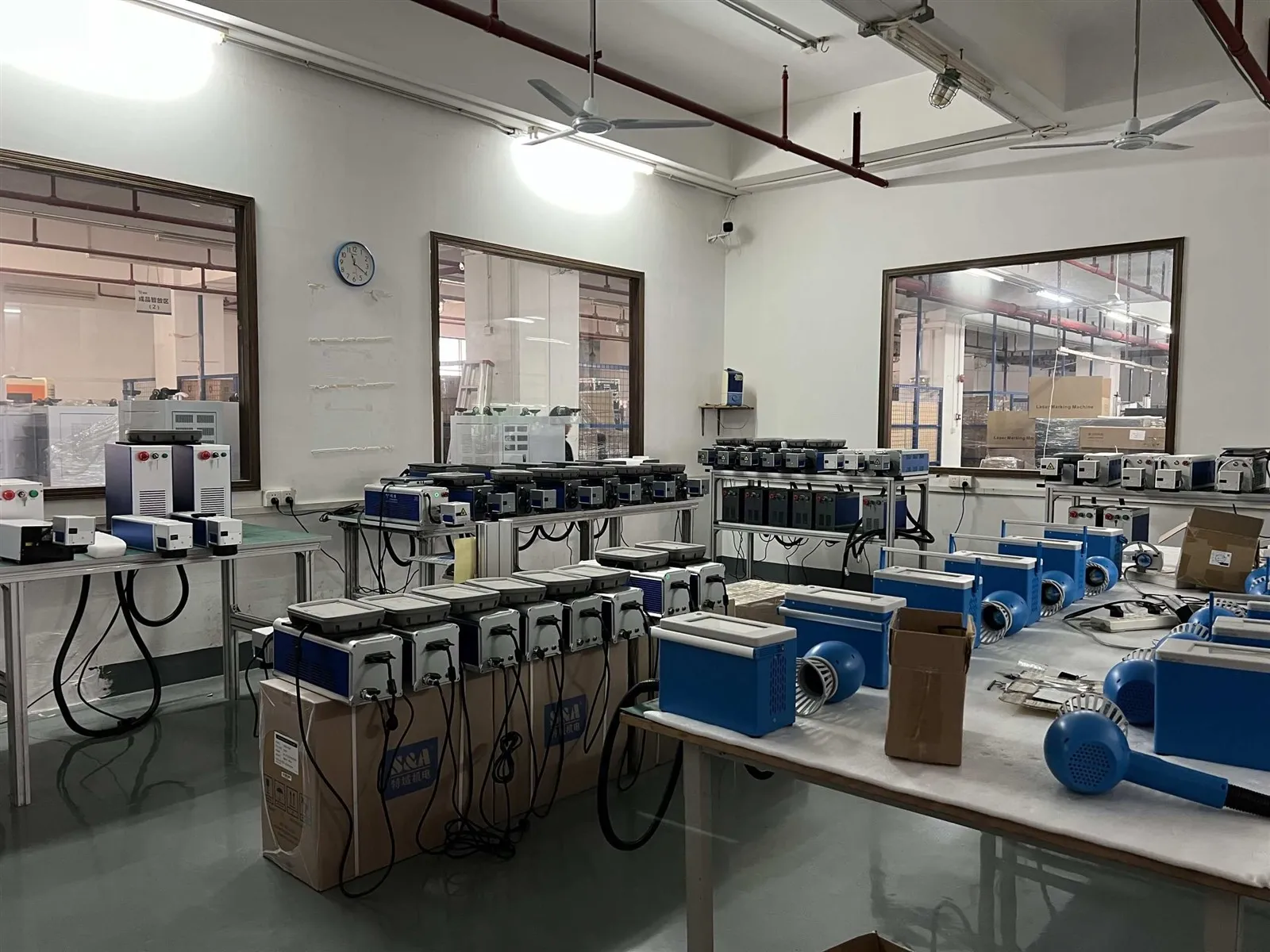
How ZICO maintains strict process control, from raw materials processing to sub-micron optical system calibration.
At ZICO, innovation is the driving force behind our growth. We continuously invest in research and development to enhance product performance, production efficiency, and automation capabilities. Our engineering team focuses on integrating advanced manufacturing technologies, intelligent control systems, precision engineering, and energy-efficient designs to meet the evolving demands of modern industry.
By combining practical industry experience with cutting-edge technology, ZICO delivers machinery that offers superior reliability, operational stability, and long service life. We also provide customized solutions tailored to specific production requirements, helping customers improve productivity, reduce operating costs, and achieve greater manufacturing flexibility.
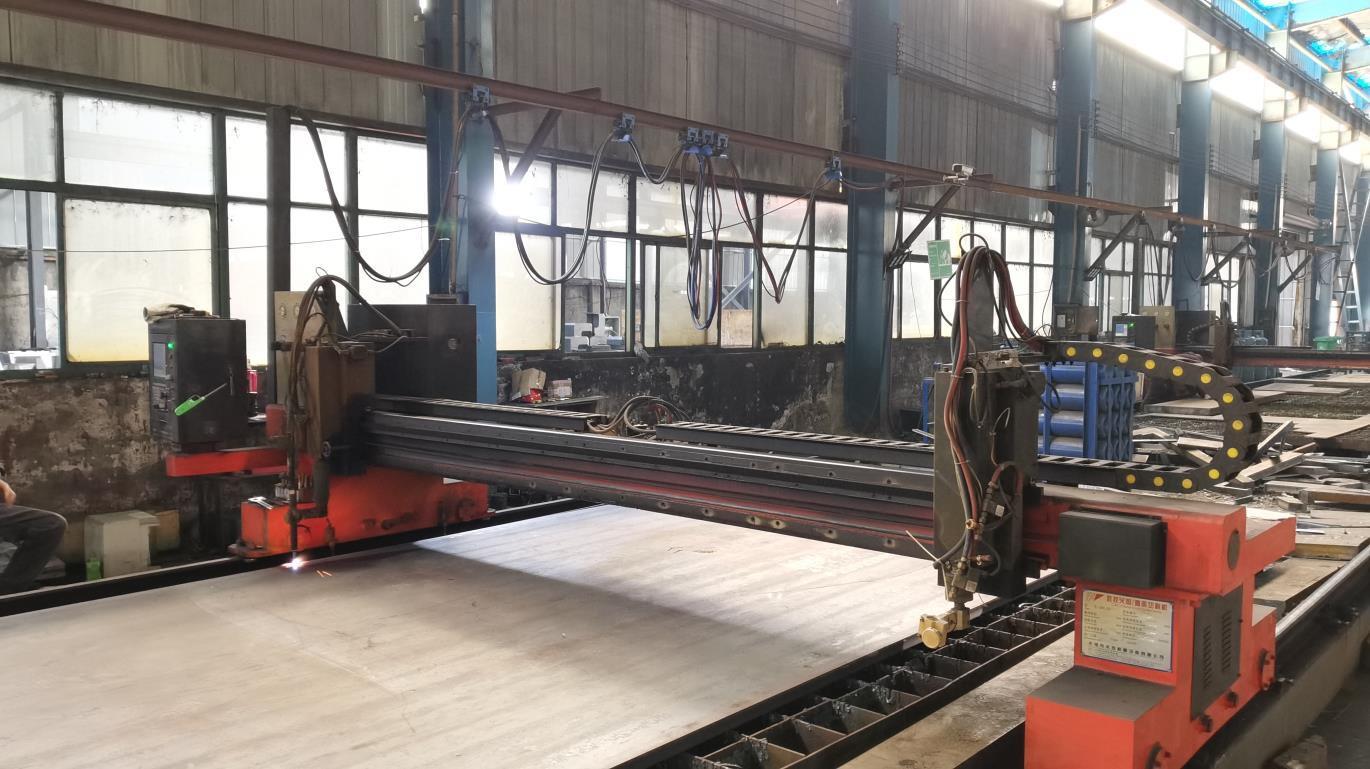
High-precision plate cutting utilizing fiber laser systems to guarantee clean edge joints and minimize thermal distortion prior to welding.
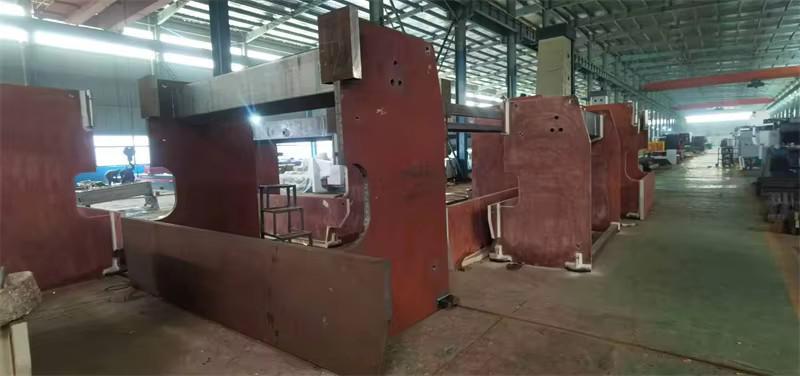
Heavy-duty gantry welding followed by thermal stress relief treatment, ensuring a stable structural base free from deformation.
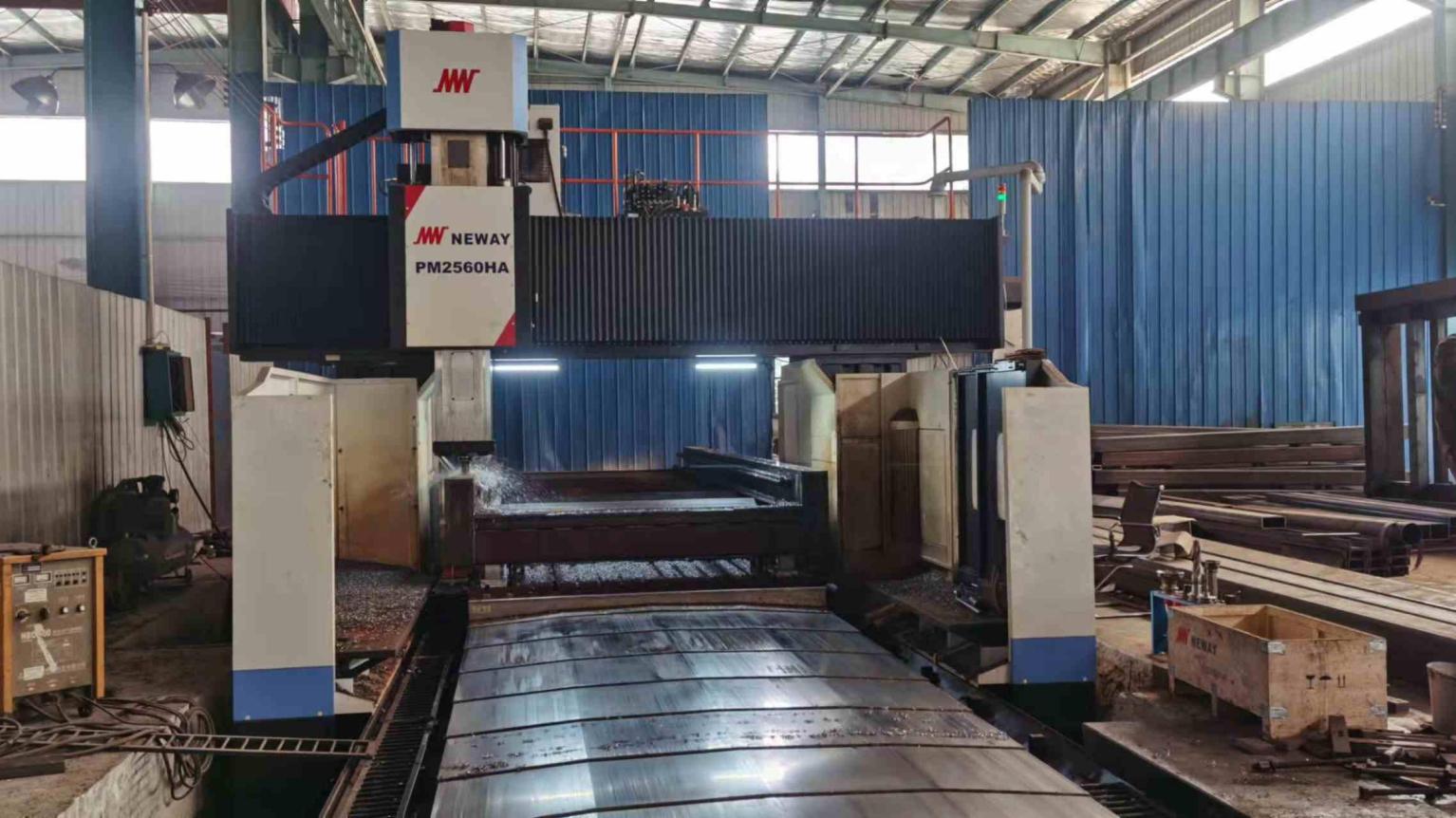
High-tolerance boring and milling of guiding faces, positioning rails, and key structural points on five-axis machining centers.
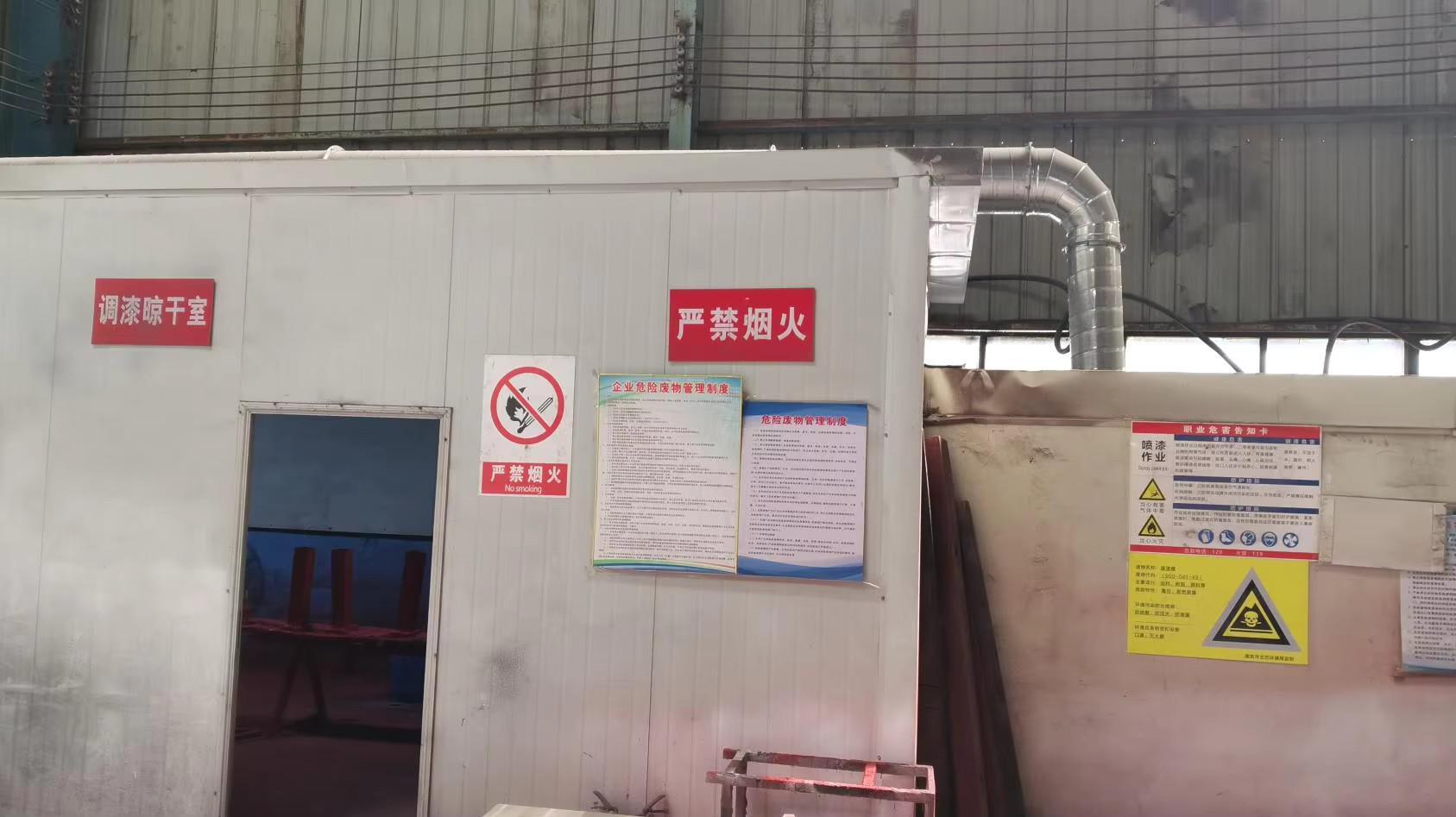
Multi-layer anti-corrosion primings and powder coatings to ensure robust resistance against harsh, humid industrial environments.
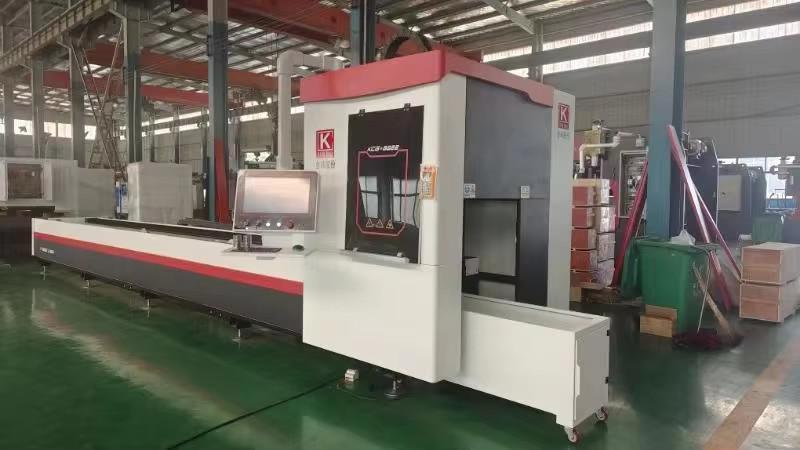
Integration of optical assemblies, servo systems, fiber generators, and structural tracks by expert metrology engineers.
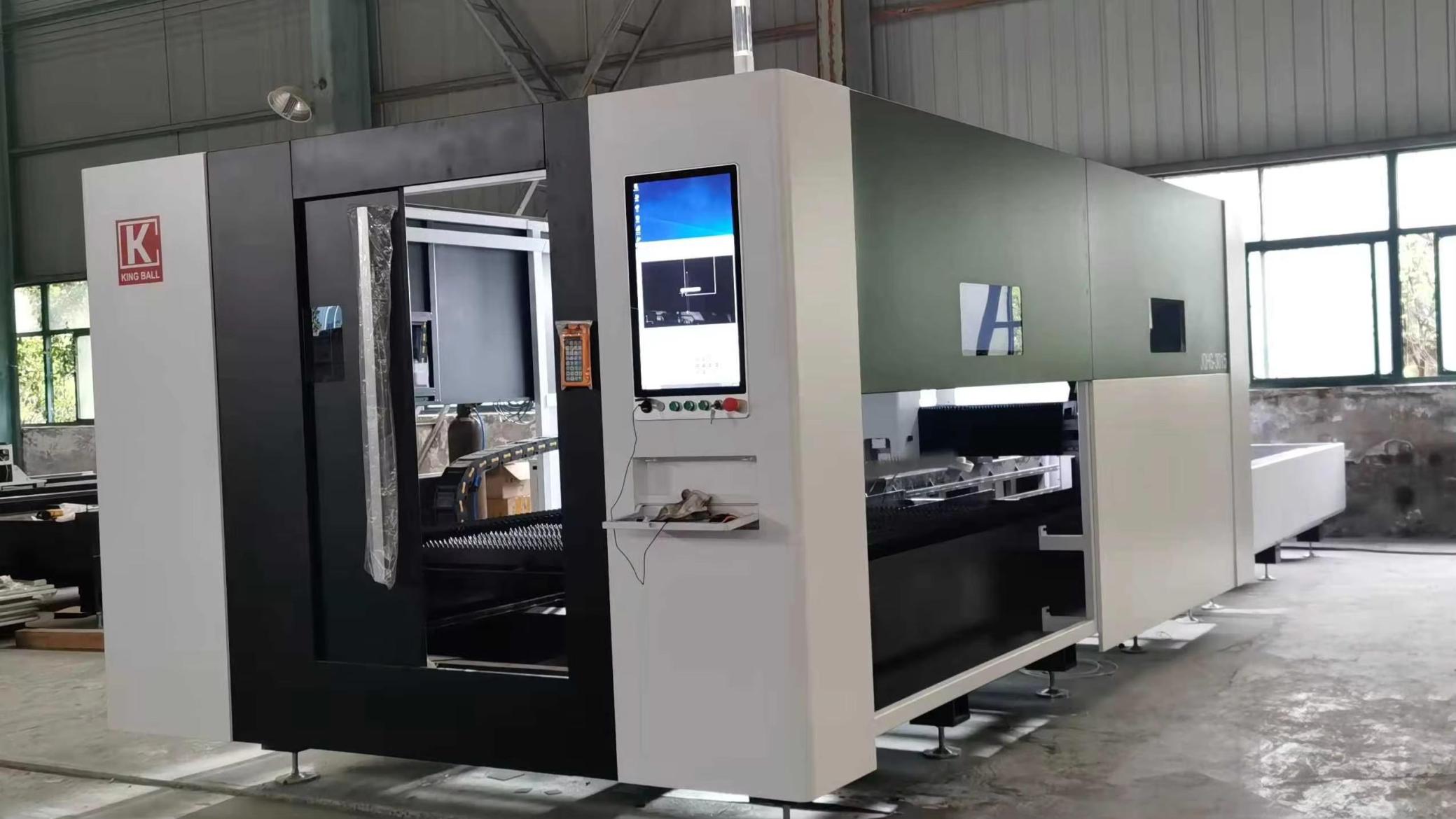
Applying dynamic laser interferometer calibration to optimize axis alignment, feedback loops, and eliminate geometric errors.
A showcase of our industrial infrastructure, demonstrating ZICO's capacity to deliver certified machine tools.
To produce high-precision machinery, we invest in robust, large-scale industrial fabrication tools. This hardware foundation enables ZICO to manufacture heavy machine frames in-house, ensuring quality control over every structural and geometric parameter before final laser calibration is performed.
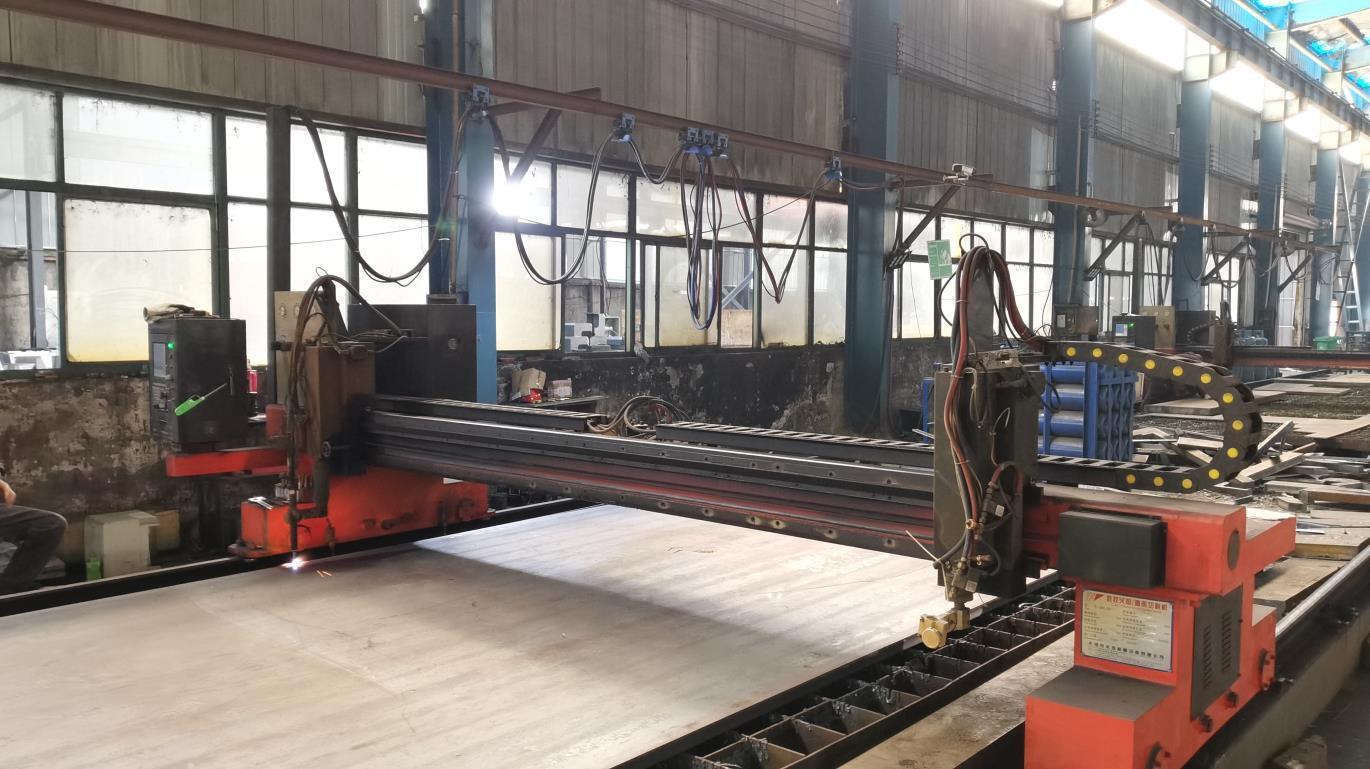
Processes structural steel plates with clean edges, minimizing mechanical stress prior to assembly.
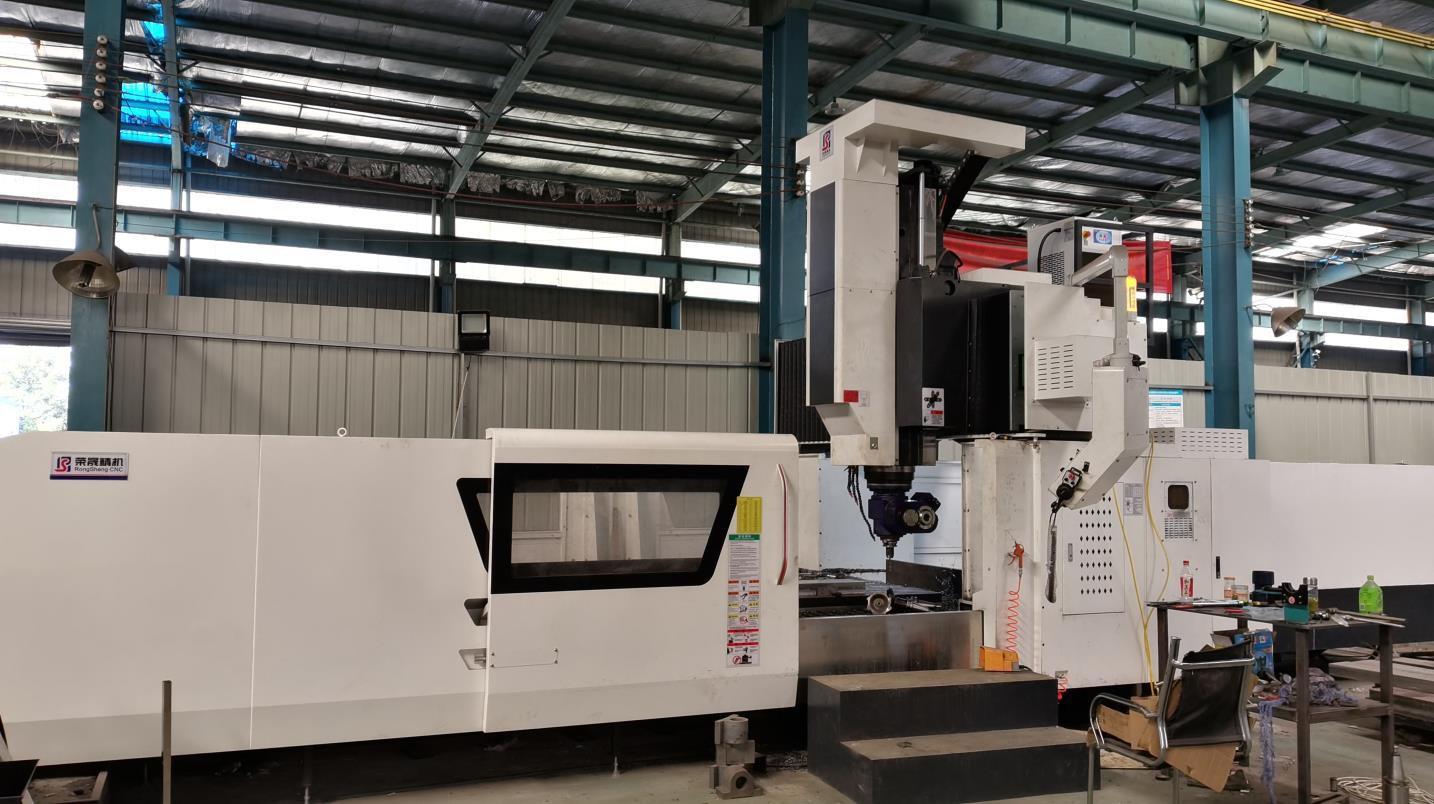
Handles the precise machining of guide rails and locating points for our multi-axis gantry frames.
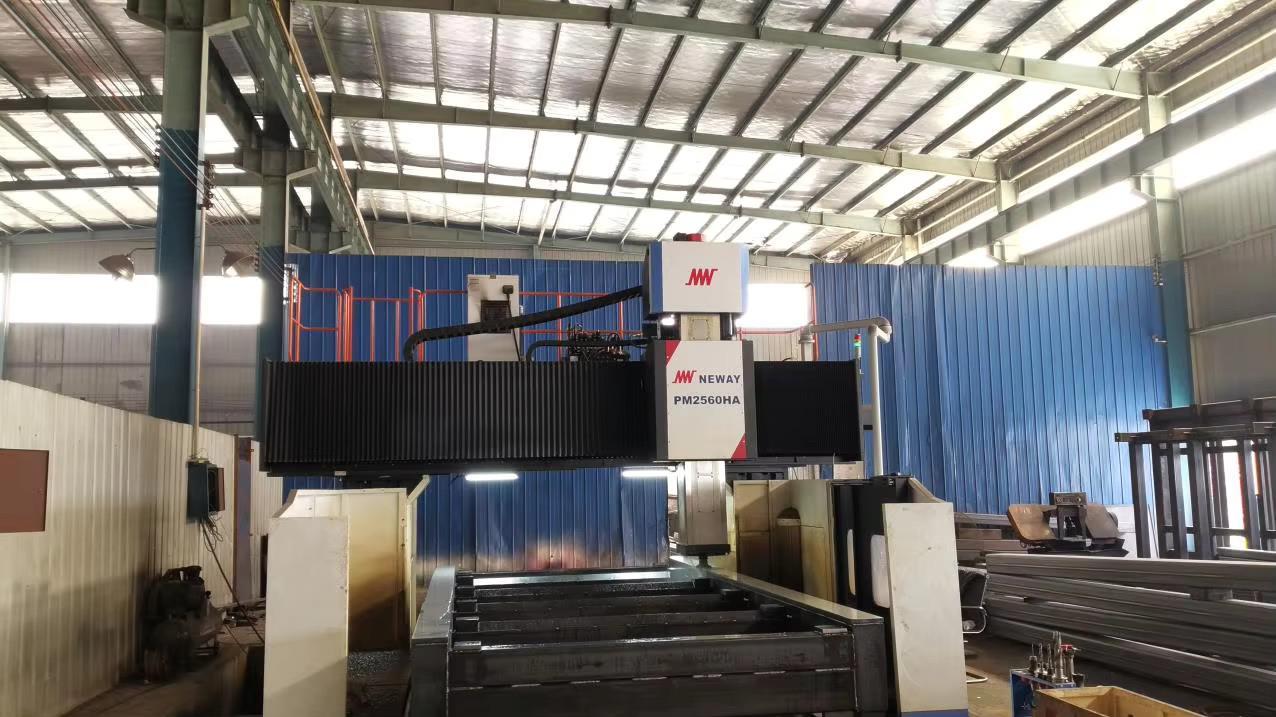
Processes critical optical mounts and motor housings to tight tolerances, ensuring long-term mechanical stability.
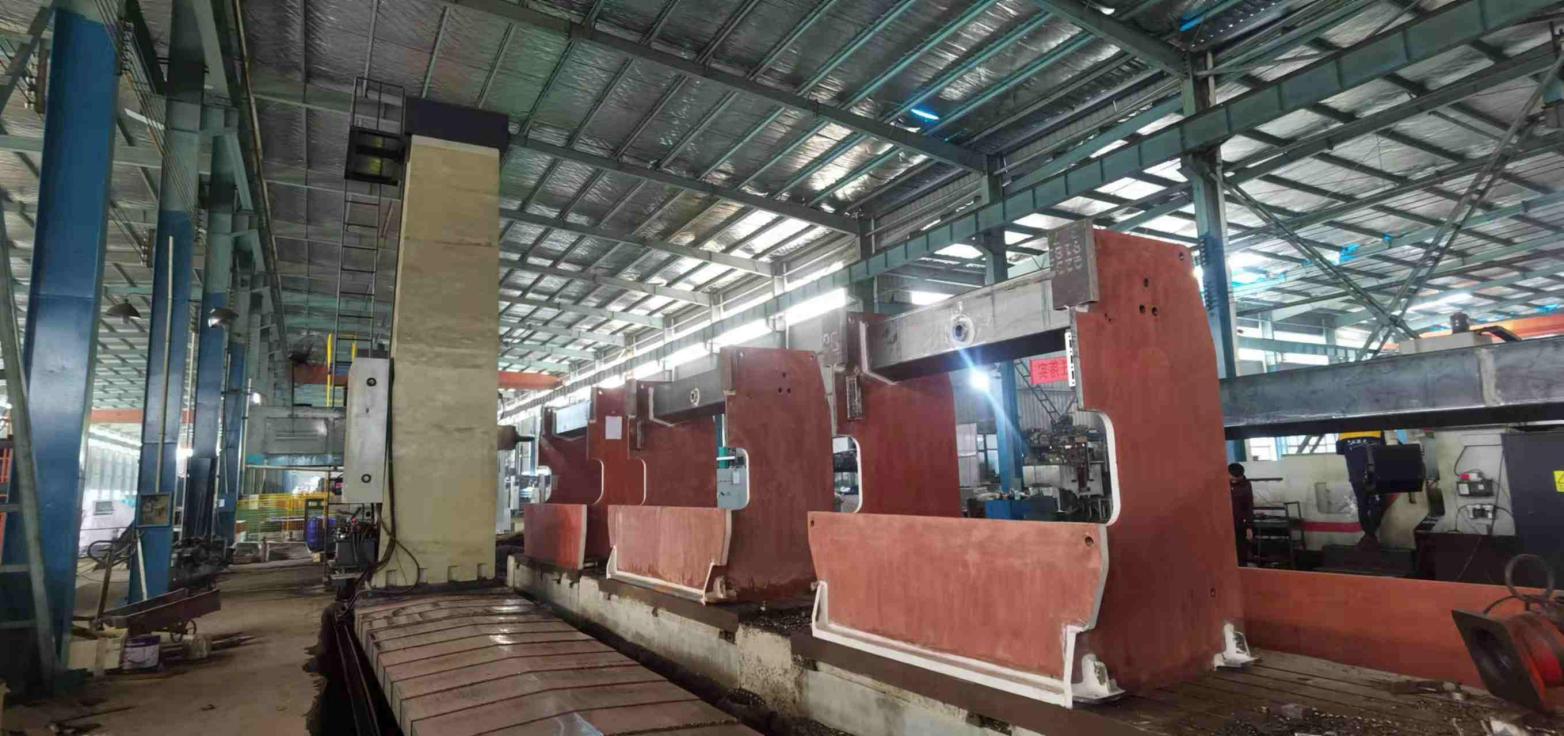
Maintains high accuracy on large structural frames, ensuring precise alignment of the guide rails.
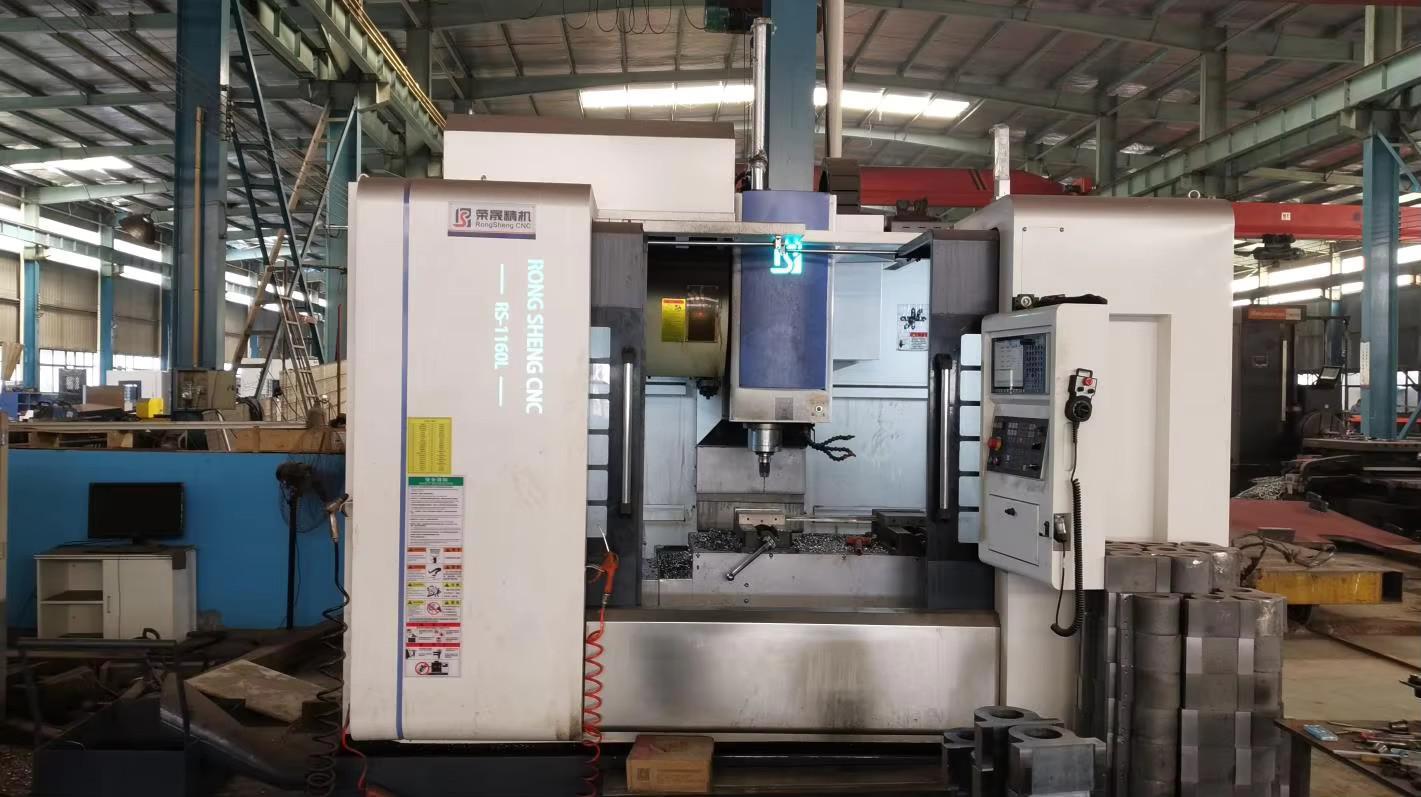
Finishes high-precision components, keeping structural tolerances within micron levels.
Enabling high precision across diverse manufacturing sectors through advanced alignment technologies.
Precision calibration is essential to modern manufacturing sectors where errors can impact safety, regulatory compliance, and operational efficiency. ZICO's solutions address these needs across key industrial sectors:
The next generation of laser alignment: AI-driven feedback loops, quantum metrology, and real-time correction.
As precision manufacturing advances towards sub-micron and nano-level tolerances, the role of laser calibration is evolving. Metrology is transitioning from periodic verification to an active component of machine control systems. The technology roadmap for laser calibration highlights several key developments:
1. AI-Driven Autocalibration: Future CNC systems will feature embedded optical sensors linked to machine learning models. These systems can predict thermal expansion and structural drift in real time, automatically adjusting the axis controller without requiring manual calibration.
2. Multi-Beam Interferometry: Measuring multi-axis motion error is traditionally done step-by-step. Next-generation systems will project multiple measurement beams simultaneously, capturing pitch, yaw, roll, and positioning errors in a single step to minimize machine downtime.
3. Advanced Quantum Standards: Integrating quantum wavelength references will help calibration systems maintain stability across changing temperature and humidity conditions. This development will reduce the need for frequent recalibration against primary lab standards.
Answers to common technical questions about compliance, laser alignment, and calibration standards.
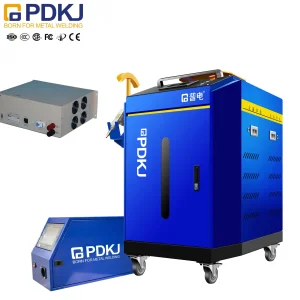
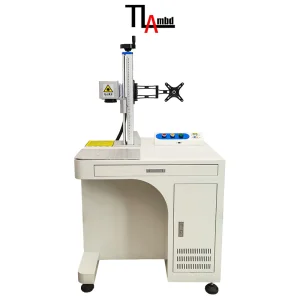
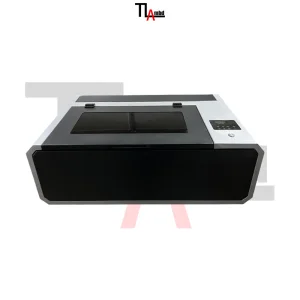
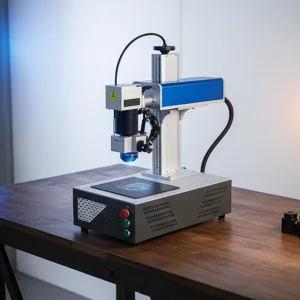
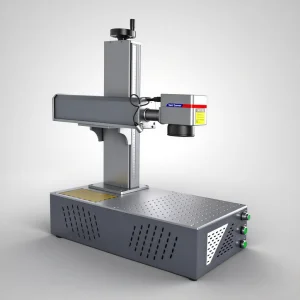
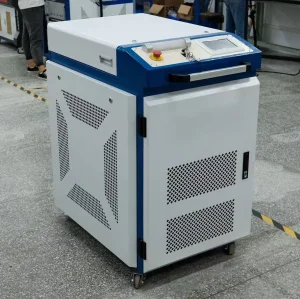
Explore more ZICO laser cutting, welding, cleaning, and marking machinery configured for demanding manufacturing projects.
 Zico Machine