Advanced Engineering for Manufacturing Excellence
Strategic Insights into Global Industrial Dynamics and Testing Standards
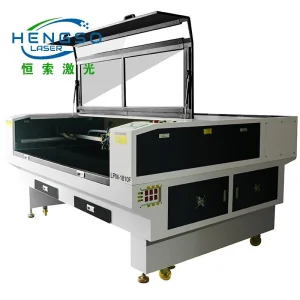
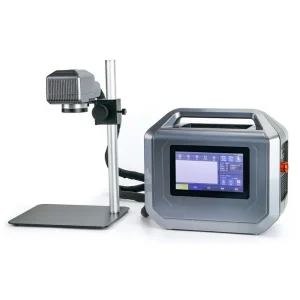
The global industrial landscape is undergoing a tectonic shift toward Industry 4.0, where precision, automation, and data-driven manufacturing are no longer optional. Industrial laser equipment has emerged as the cornerstone of this transition. From the micro-drilling of glass in the electronics sector to the macro-cladding of heavy-duty turbine components, laser technology offers unparalleled efficiency.
As a CE Certified Laser Equipment Manufacturer, we recognize that the surge in demand—particularly in Europe and North America—is driven by the need for sustainable, low-waste manufacturing solutions. The market is projected to reach over USD 20 billion by 2028, with Fiber Lasers leading the growth due to their high electrical-to-optical conversion efficiency.
In the context of high-stakes manufacturing, "Testing" is the bridge between a functional tool and a reliable industrial asset. CE certification is not merely a label; it represents a commitment to safety, beam stability, and electromagnetic compatibility. Our testing protocols cover:
A Professional Manufacturer and Global Supplier of Advanced Industrial Machinery
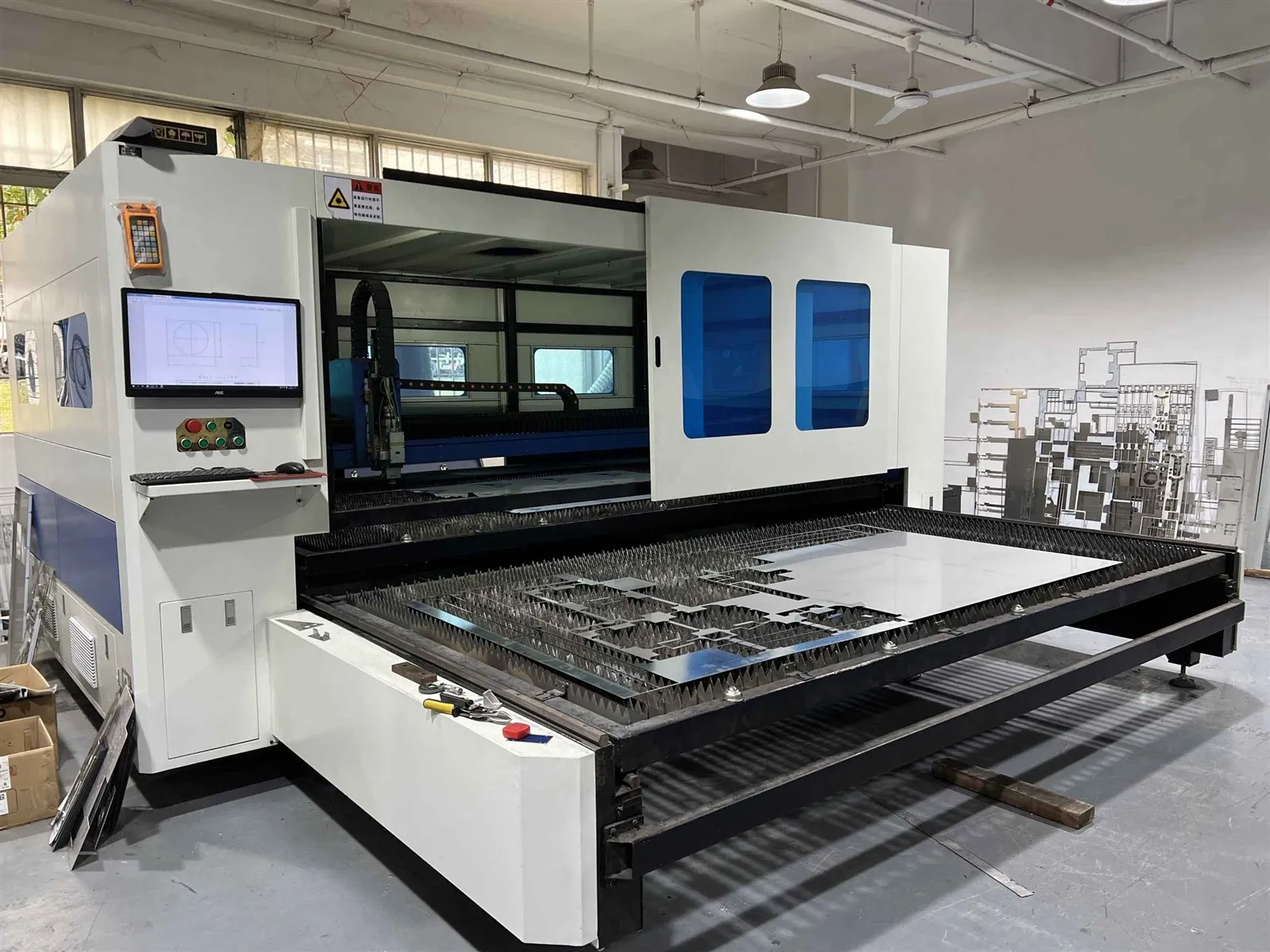
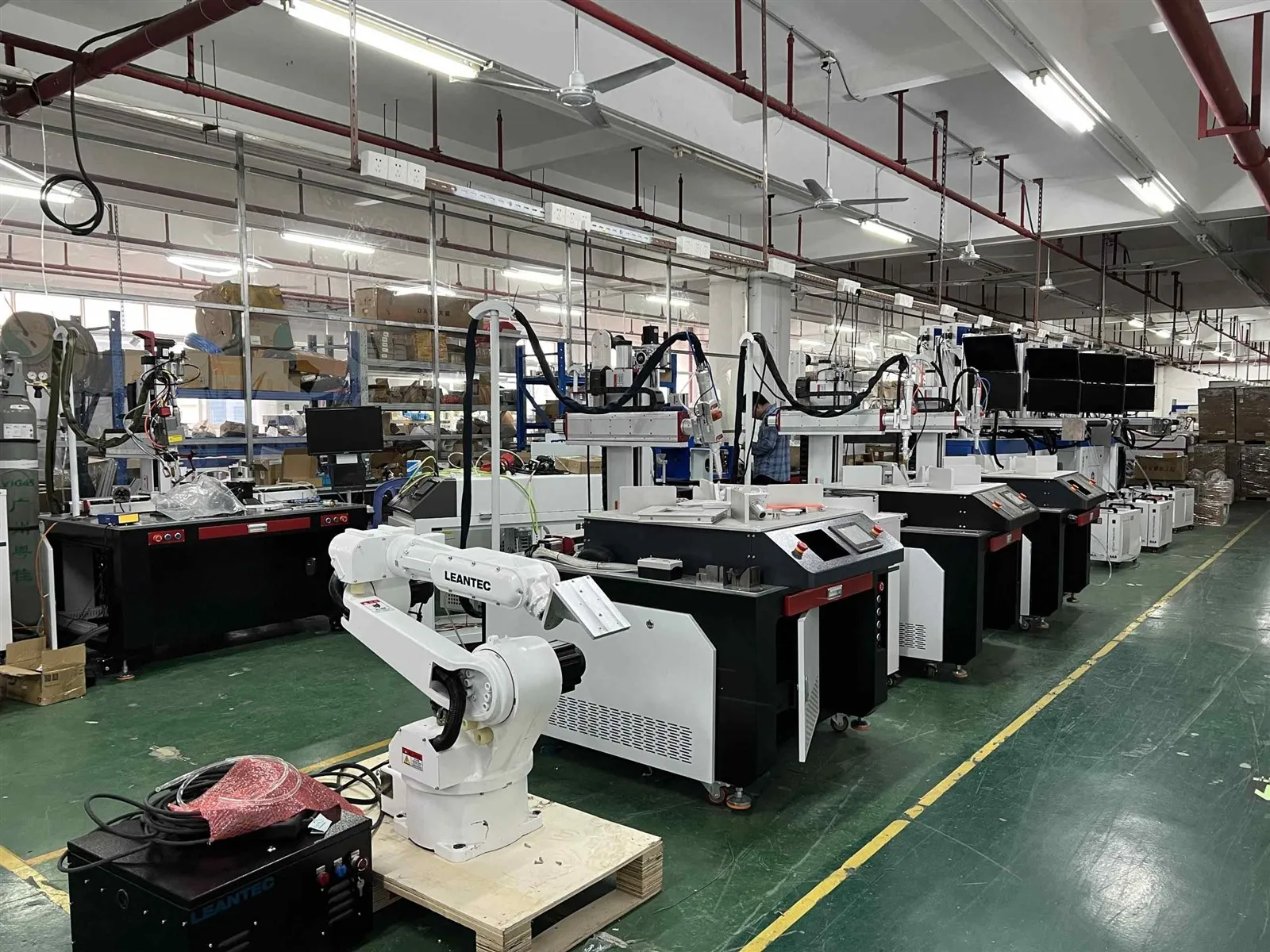
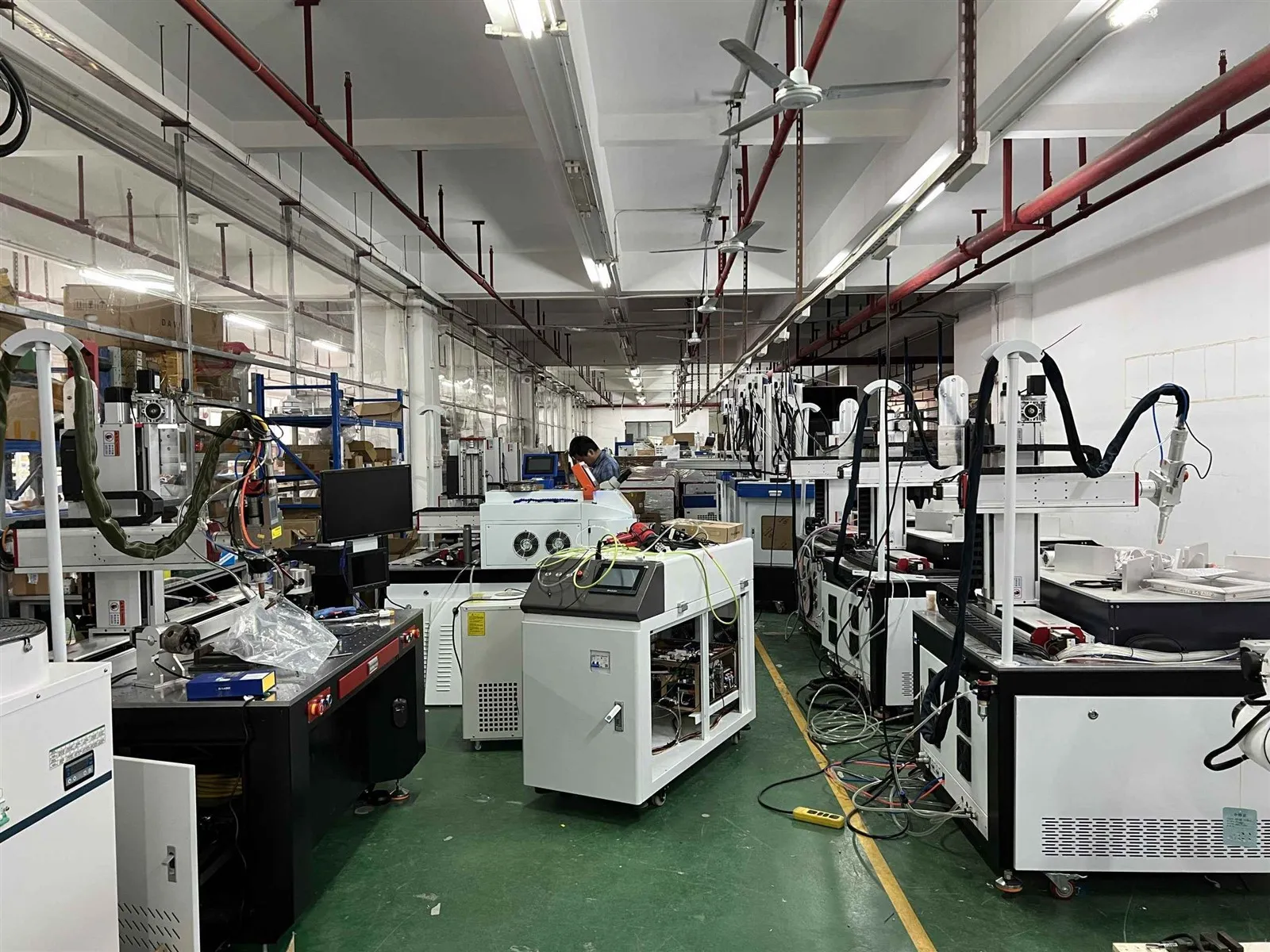
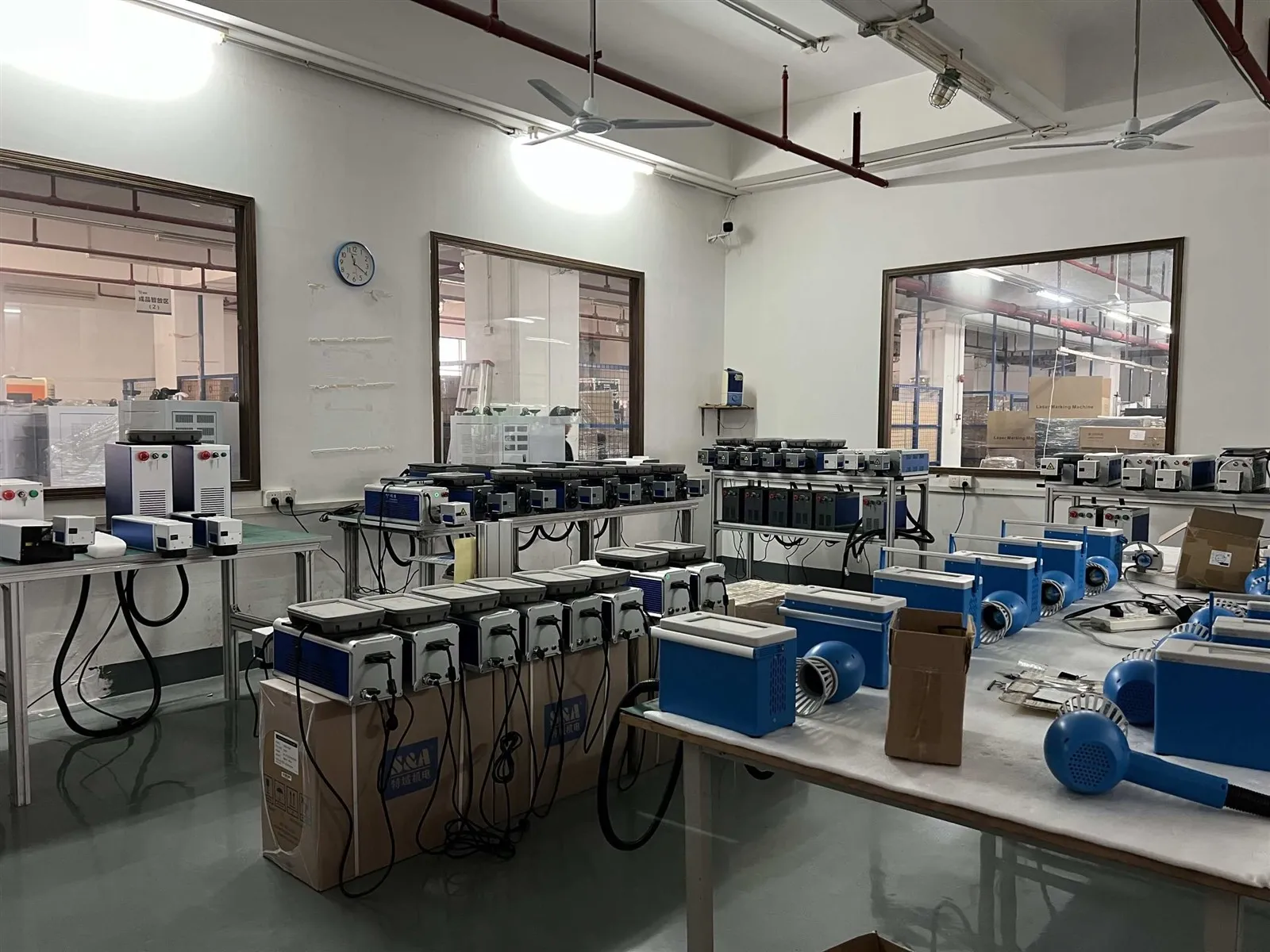
Founded in Shenzhen, China, Shenzhen Zico Machine Co., Ltd. (ZICO) is a professional manufacturer and global supplier of advanced industrial machinery and intelligent production solutions. Headquartered in one of China's leading centers for technological innovation, ZICO specializes in the research, production, and sales of high-performance machinery, automated production equipment, and customized industrial solutions.
Our products are widely used across various industries, including metal fabrication, construction, automotive components, household appliances, electronics manufacturing, packaging, and industrial processing. Today, ZICO serves customers in more than 100 countries and regions, earning the trust of distributors and industrial partners across Europe, the Americas, and Southeast Asia.
Navigating the Next Decade of Photonic Innovation
By 2025, ZICO machines will integrate Real-time AI Beam Correction. Using closed-loop feedback systems, our equipment will automatically adjust pulse energy and frequency based on material surface fluctuations, reducing scrap rates by up to 15%.
Moving beyond nanosecond drilling, we are expanding our R&D into Femtosecond Laser systems. These "cold processing" tools eliminate the Heat Affected Zone (HAZ), making them essential for medical stent manufacturing and semiconductor dicing.
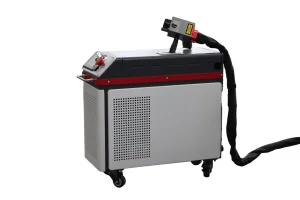
ZICO is committed to Low-Energy Consumption designs. Our new generation of Fiber Cleaners and Welders use 30% less electricity than traditional plasma or gas-shielded welding systems, aligning with global ESG standards.
Tailored Applications for High-Growth Sectors
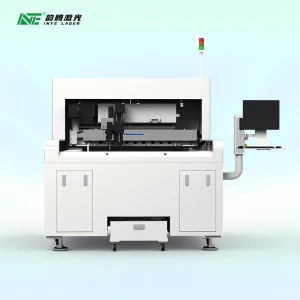
Our UV Laser Drilling Machines are specifically designed for Flexible Printed Circuits (FPC). In regions like Southeast Asia and China, where electronics manufacturing is concentrated, these machines provide the precision necessary for high-density interconnects (HDI).
Laser Cladding technology provides a "second life" to expensive turbine blades and oil drills. By depositing high-performance alloys onto worn surfaces, we help global energy firms reduce maintenance costs by 60%.
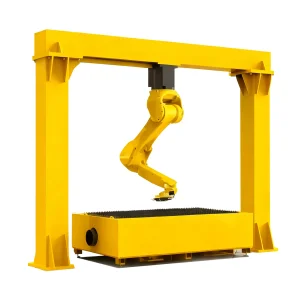
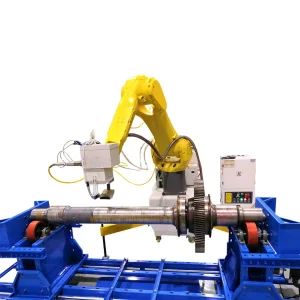
High-speed 3D robot laser cutting and welding are vital for the lightweight aluminum structures of Electric Vehicles (EVs). Our systems ensure structural integrity and crash-safety through precise heat control.
From Raw Material to Final Certification
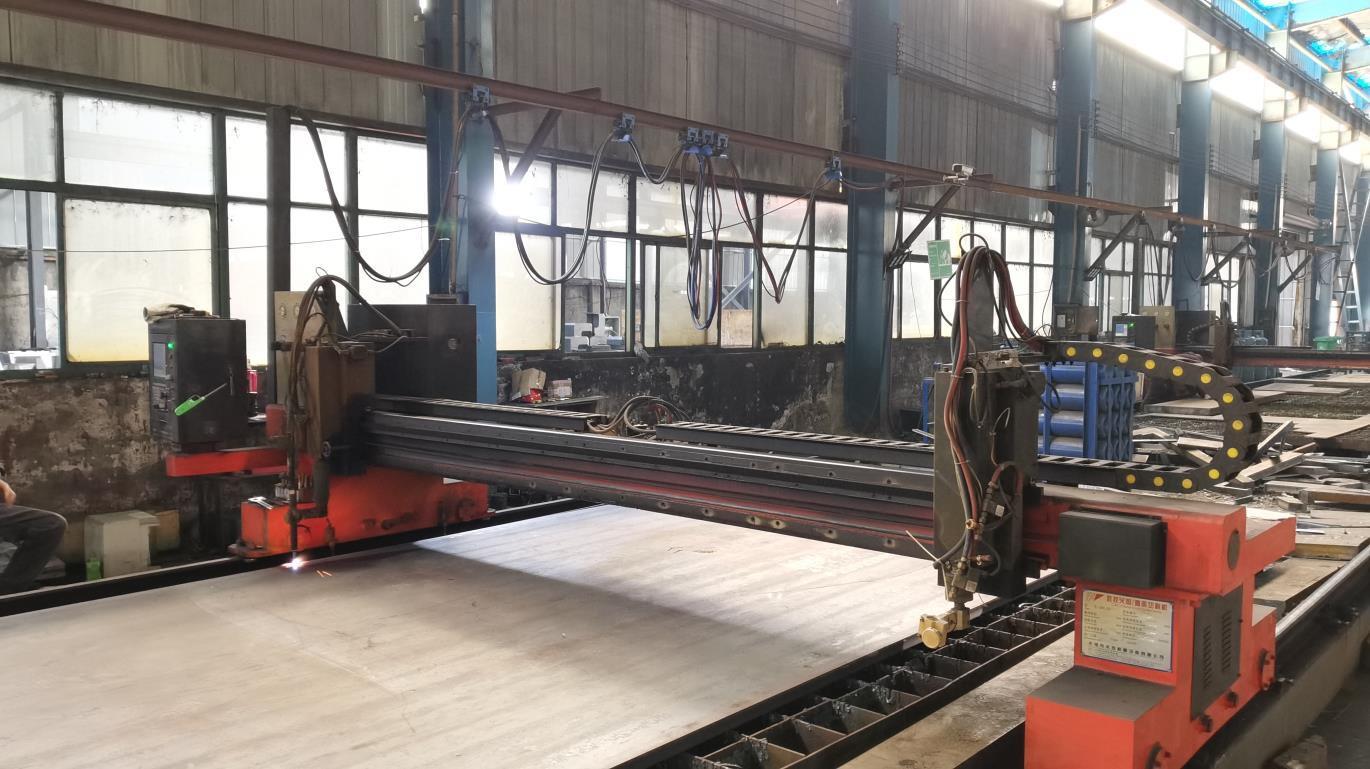
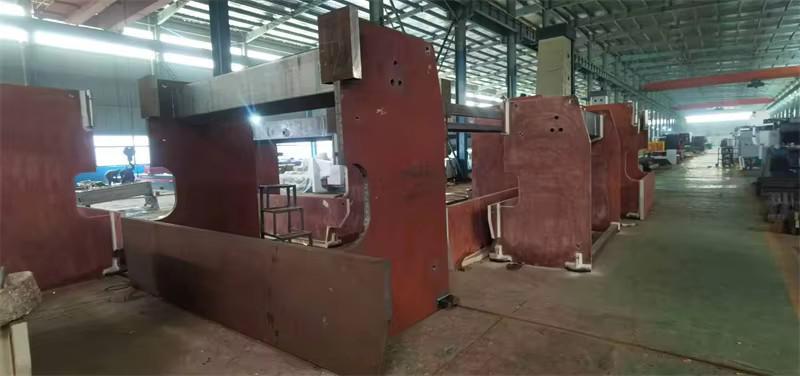
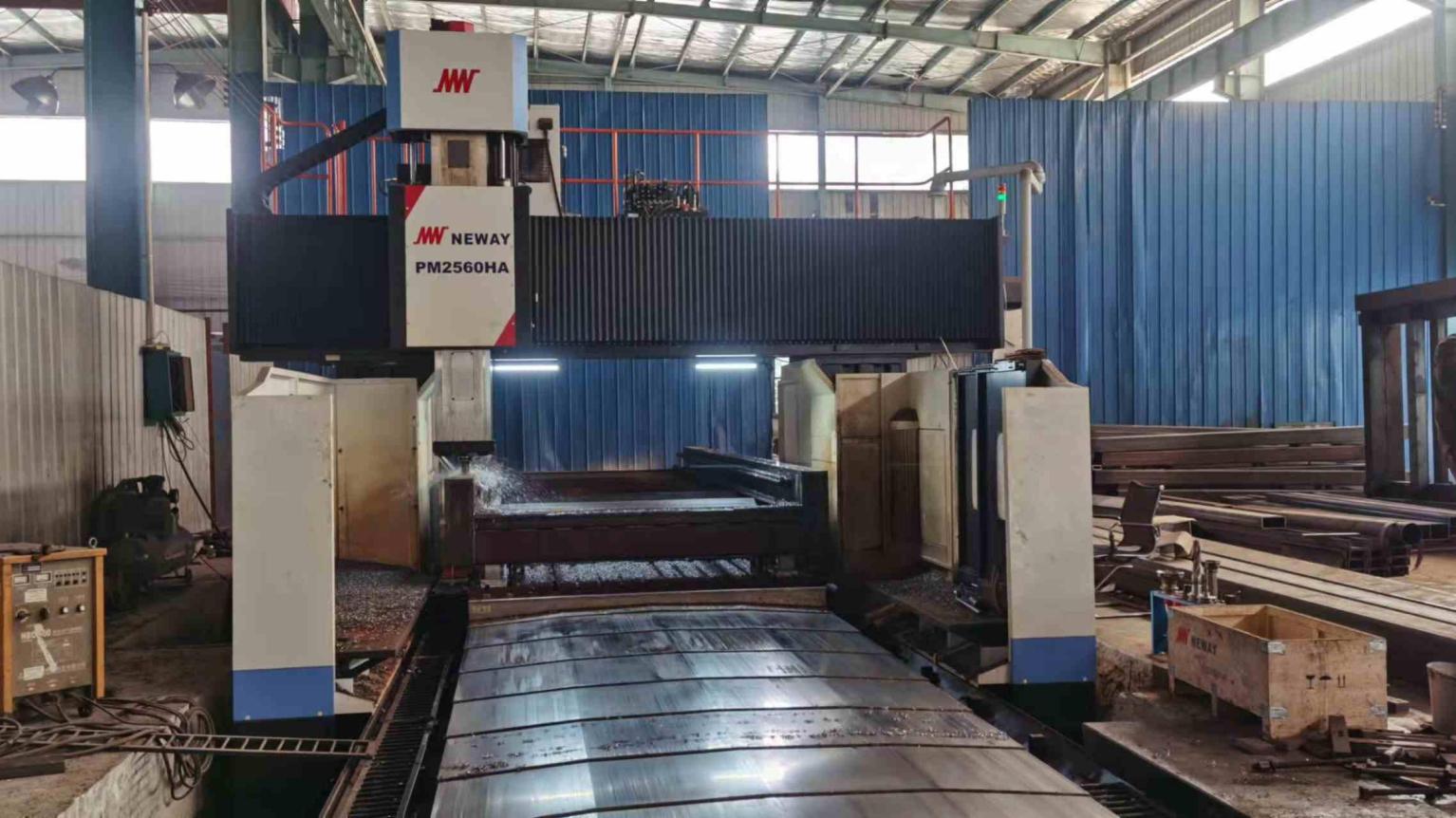
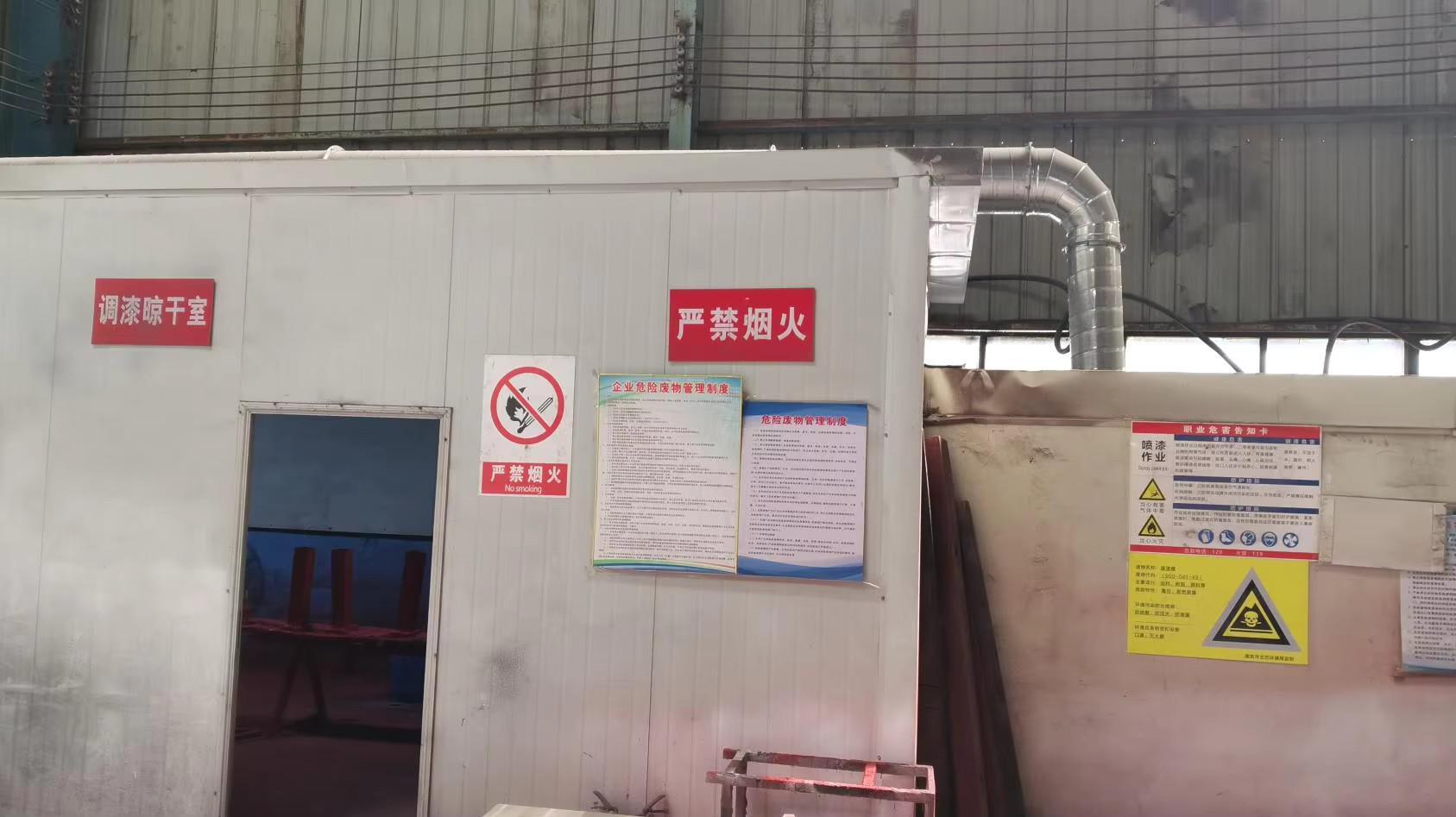
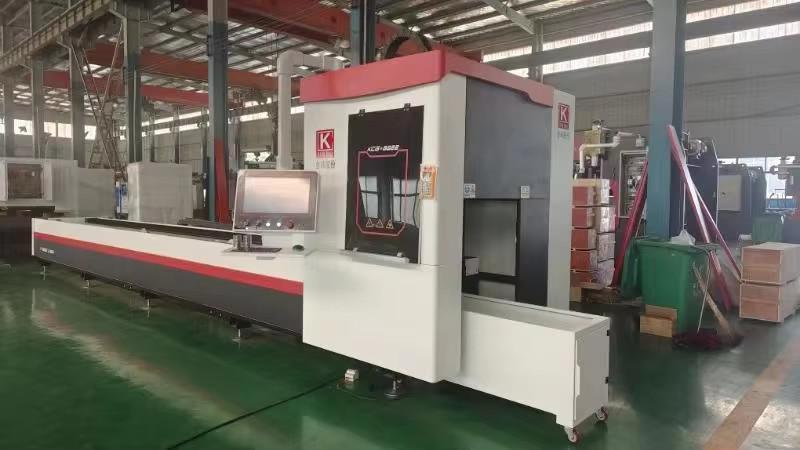
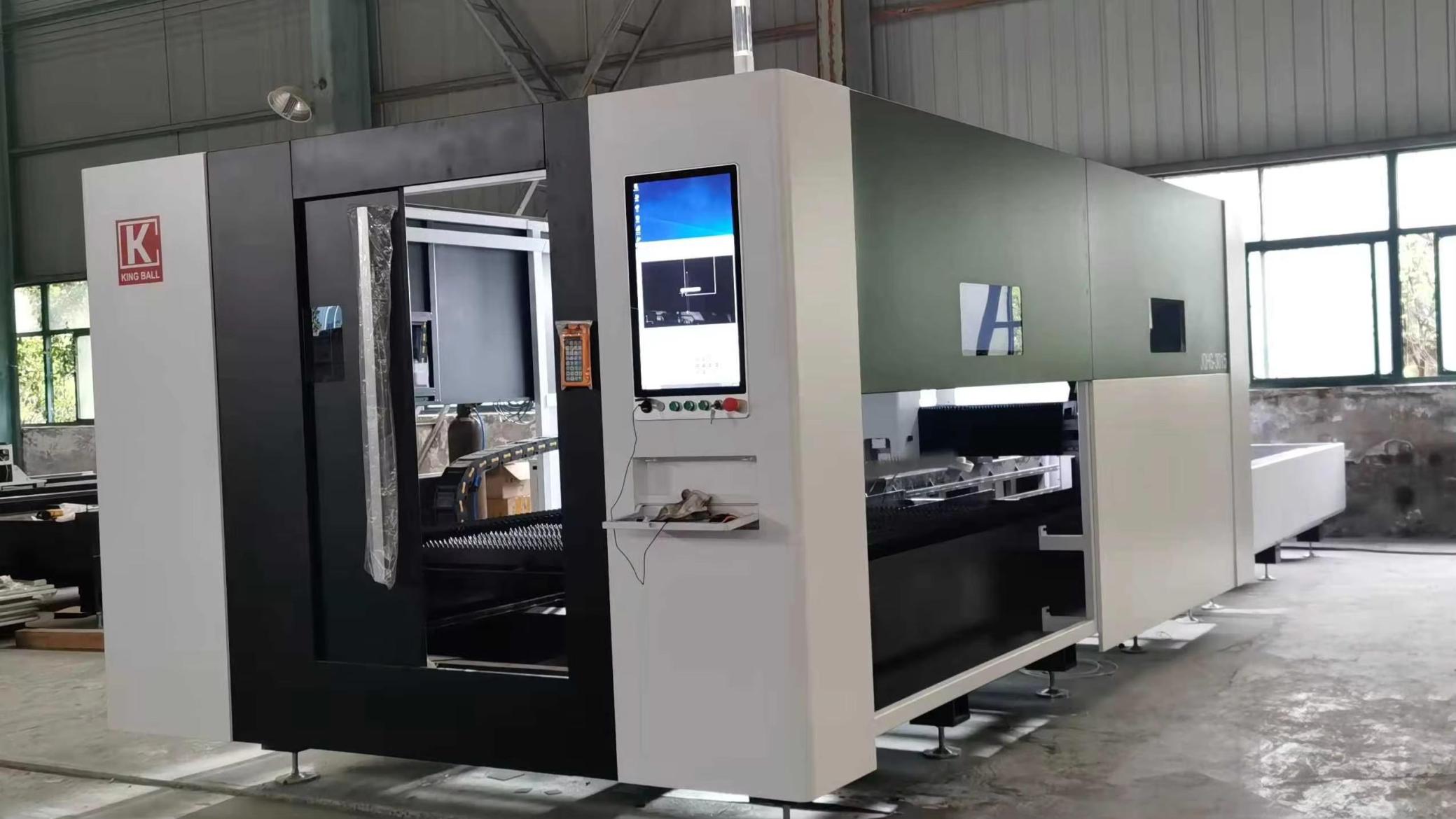
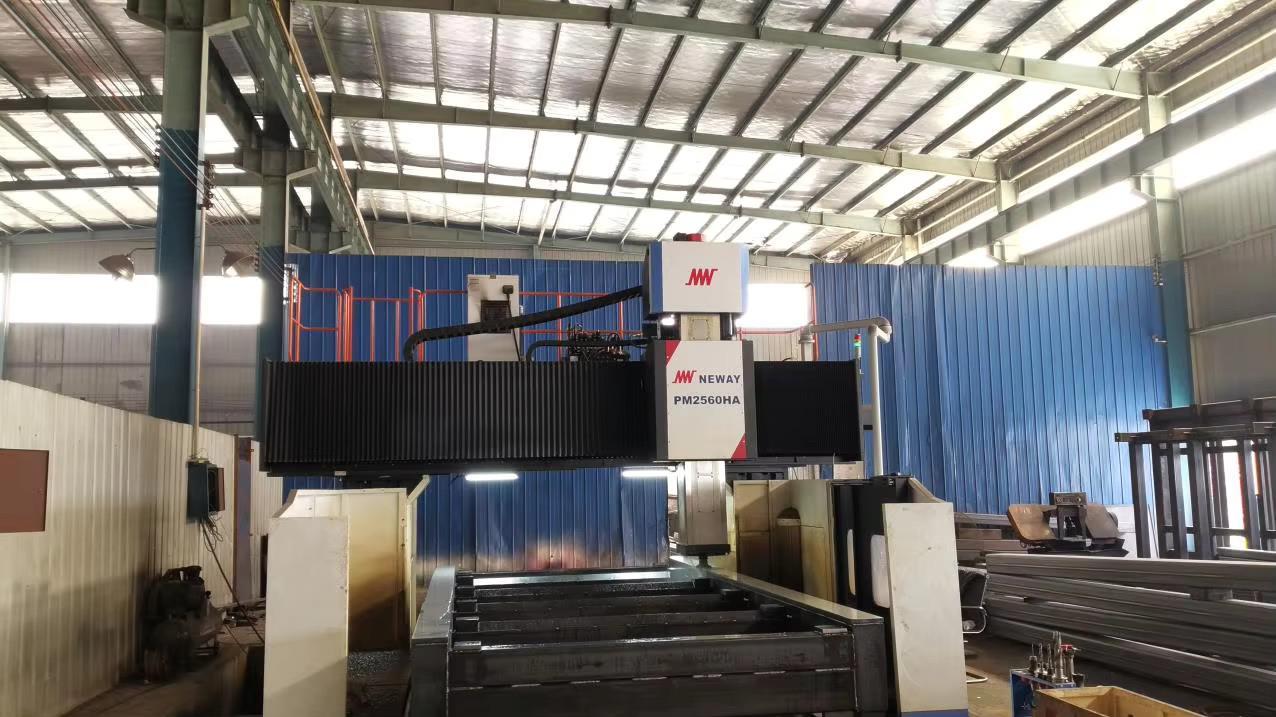
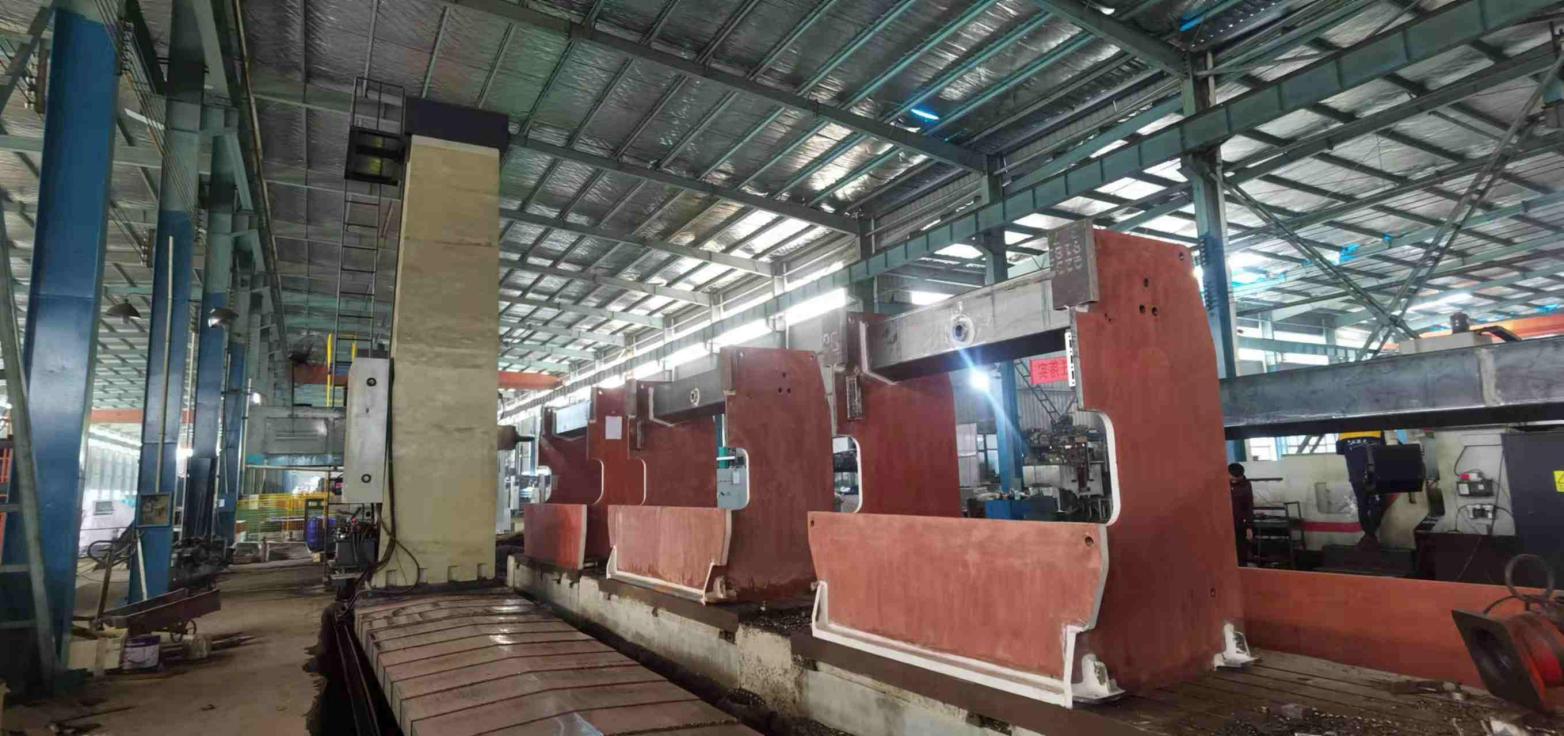
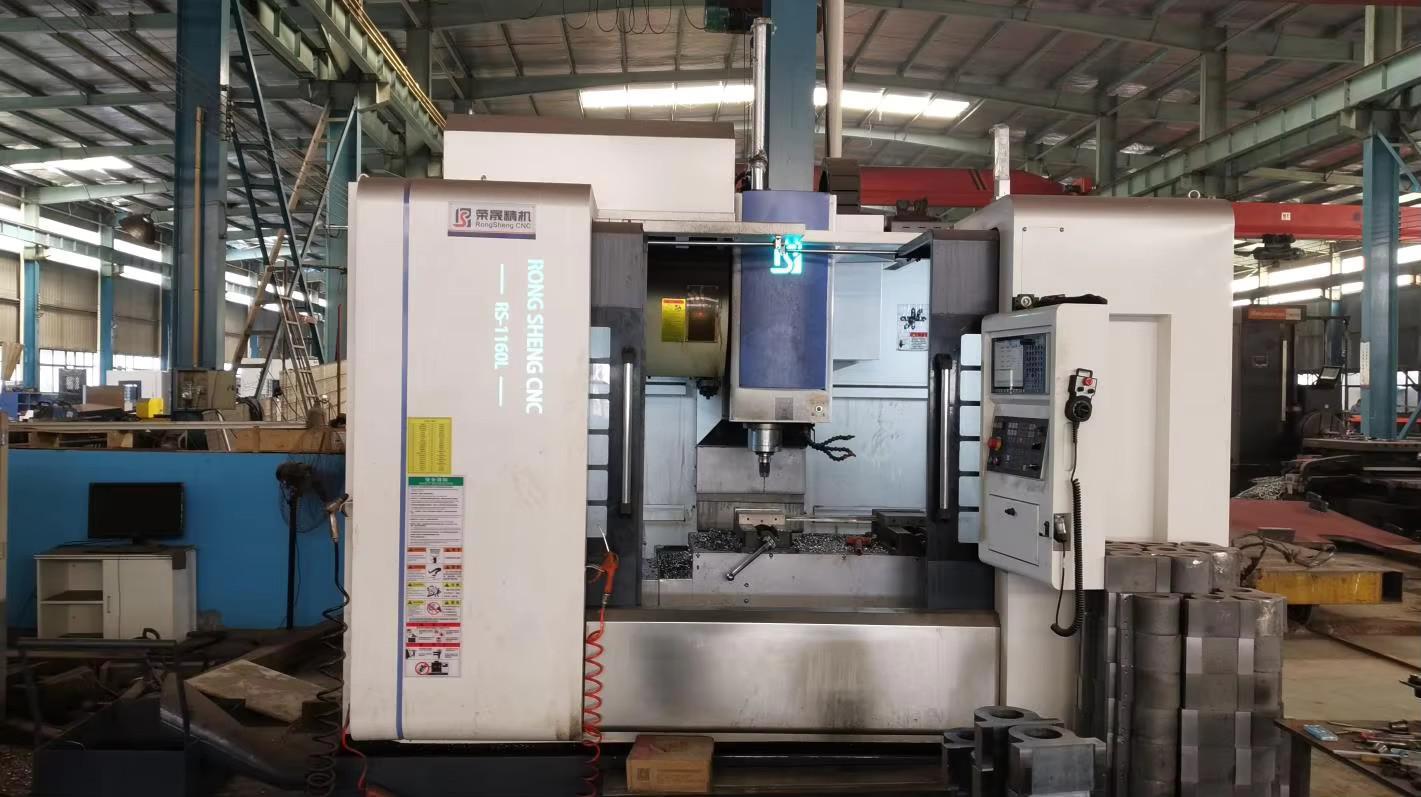
Global Standard Facilities for Industrial Equipment
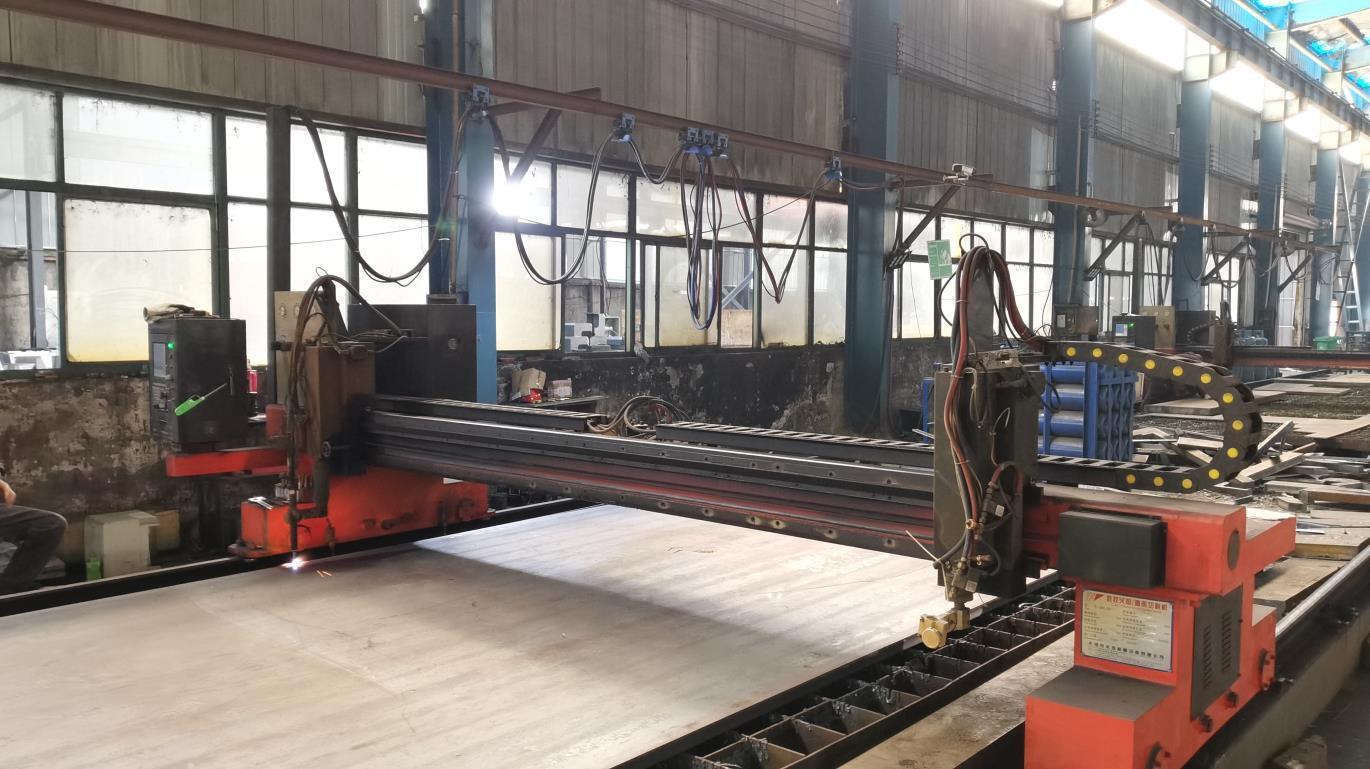
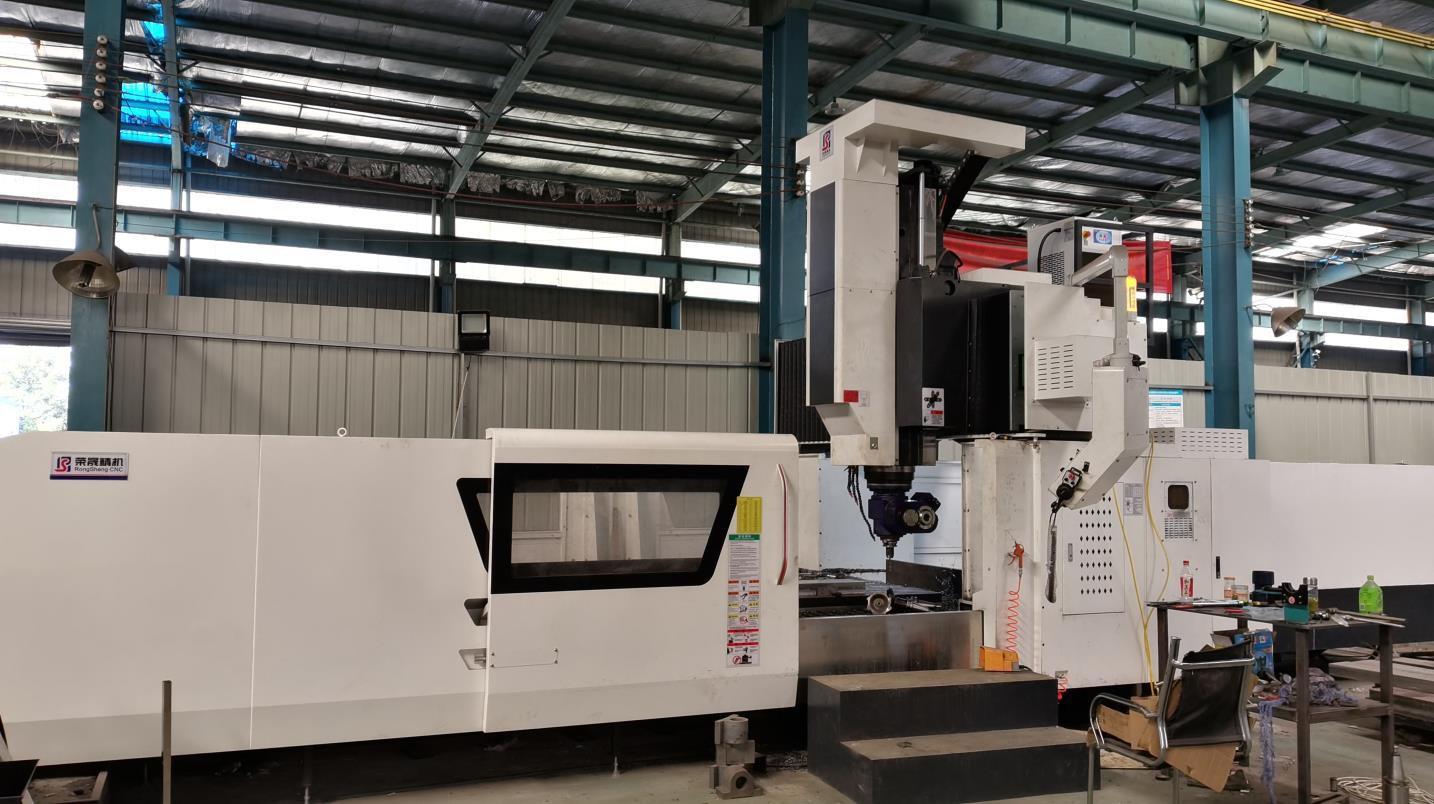
Expert Insights into Industrial Laser Operation & Selection
Certified Solutions Shipped Worldwide
 Zico Machine