Laser welding is a widely used technique in manufacturing, particularly in industries such as automotive and aerospace. However, a common challenge encountered during the process is thermal distortion. Understanding how to solve thermal distortion in laser welding is critical for achieving high-quality welds and maintaining dimensional accuracy. As lasers deliver concentrated heat, materials can warp or bend. This can lead to costly production issues.
Engineers and technicians must adopt effective strategies to minimize thermal distortion. The solutions range from careful control of heat input to advanced welding techniques. Each method has its advantages and limitations. It is essential to assess the specific circumstances of each project. Sometimes, conventional practices may not suffice.
Many researchers are actively working on innovative solutions. They seek to enhance the stability and integrity of the welded joints. It is important to recognize that solutions may require adjustments based on material type and thickness. Continuous improvements in technology offer promising avenues to address these challenges. Identifying the right approach calls for expertise and a willingness to reflect on past experiences.
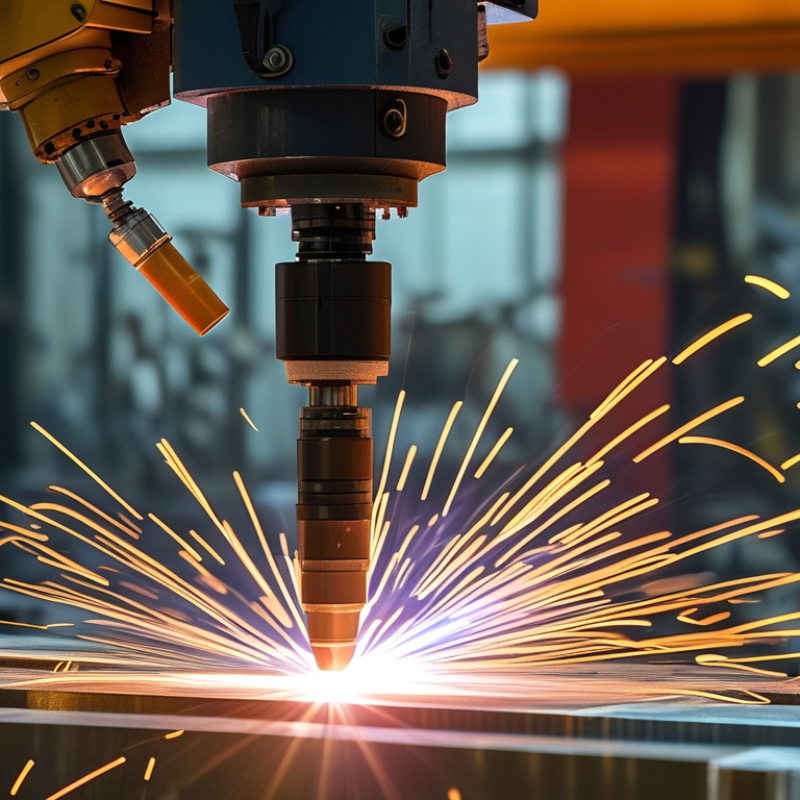
Thermal distortion is a common challenge in laser welding. It occurs due to the rapid heating and cooling cycles experienced by the material. When a laser beam melts metal, it creates a localized heat zone. As the laser moves, this zone also shifts. The resultant temperature gradients often lead to warping or deformity in the welded components.
Control of heat input is critical in managing thermal distortion. Keeping a consistent beam focus can help. Adjusting the travel speed of the laser is equally important. If the speed is too slow, excessive heat builds up. Conversely, too fast a speed can lead to incomplete fusion. These adjustments require precise calibration to achieve optimal results and minimize imperfections.
In addition, preheating the materials can also help mitigate distortion. This technique helps even out the temperature distribution across the workpiece. It's vital, however, to apply preheating uniformly. Uneven preheating can lead to its own set of issues. Addressing thermal distortion in laser welding is not just about technology; it requires a thorough understanding of the processes involved. Experimentation and analysis often reveal what works best in each specific situation.
Thermal distortion in laser welding is a significant challenge. It arises from uneven heating and cooling during the welding process. This creates stresses in the material, leading to warping and dimensional inaccuracies. According to a report by the American Welding Society, up to 40% of all weld-related defects are attributed to thermal distortion.
Several factors contribute to this phenomenon. Material properties play a crucial role. Different metals expand and contract at varying rates when exposed to heat. For instance, high carbon steel can experience significant distortion compared to aluminum under similar conditions. The laser's intensity and focus also affect heat distribution. A tightly focused beam may lead to localized heating, increasing the risk of distortion.
Moreover, inadequate clamping methods can amplify the issue. If the workpiece isn’t securely fixed, it can shift during the welding process. This variability can cause inaccuracies once the material cools and contracts. The distortion may not be immediate; sometimes, it becomes visible only after fabrication is complete. Recognizing these thermal dynamics is essential for improving welding precision and minimizing defects.
Effective pre-welding preparation techniques are crucial in mitigating thermal distortion during laser welding. Properly preparing the materials can significantly reduce the risks associated with heat exposure. One key step is thorough cleaning. Any oils, dust, or contaminants on the metal surface can cause uneven heat distribution. This can lead to warping or distortion in the welded joint.
Ensuring accurate fit-up of the components is also essential. Misalignment creates irregular gaps, resulting in inconsistent heating. Using fixtures to hold parts in place can enhance stability. This step often gets overlooked but can make a significant difference. Another technique involves preheating the materials to a specified temperature before welding. This approach allows for gradual temperature changes, reducing thermal shock.
However, challenges remain in achieving the perfect balance. Too much preheating may lead to softening, while too little can cause cracking. Additionally, assessing the thermal properties of different metals is complicated. Each material responds differently to heat, and not all pre-weld procedures will work for every metal type. Understanding the nuances of each material is vital for success.
When it comes to laser welding, thermal distortion is a significant challenge. Optimizing laser parameters can greatly reduce this issue. The focus should be on adjusting power levels, focusing optics, and travel speeds. Each of these elements impacts how heat is distributed across the weld zone. If the power level is too high, it can create excessive heat. A lower power setting might not penetrate adequately. Finding the right balance is essential.
Another important factor is the pulse duration. Shorter pulse durations can limit heat input, reducing distortion. However, if the pulses are too short, the weld might lack cohesion. The choice of filler material also plays a critical role. Different materials respond uniquely to heat, affecting distortion levels. It requires thorough testing and experience to find the optimal combination.
Practitioners should routinely evaluate their setups. Each welding environment presents unique challenges, requiring adjustments. It’s necessary to reflect on past projects for insights. Learning from mistakes can lead to improved techniques. Constant experimentation is crucial in this field. Fine-tuning laser parameters is not a one-time task; it requires ongoing attention and adaptation.
Thermal distortion in laser welding can lead to serious structural issues in completed projects. To mitigate these problems, post-welding solutions are crucial. One effective method includes stress relief annealing. This process reduces residual stresses and improves material stability. Achieving the right temperature and duration is key.
Another useful approach is the use of filler materials during welding. They can help balance out the heat distribution. Still, selecting the right filler can be challenging. It requires expertise in metallurgy. Additionally, using jigs or fixtures during the cooling phase can maintain the desired shape. However, some setups may be inefficient, requiring adjustments.
Mechanical straightening is another option for correcting distortion. This method can restore alignment but may weaken the welded area. Therefore, careful assessment is necessary after this treatment. In some cases, applying localized heating might also help manage distortion. A precise approach is critical, as overdoing it can create more problems. Each solution has its limits, and recognizing those limits is essential for achieving desired results.
: Thermal distortion happens due to rapid heating and cooling of materials during welding.
It leads to warping or deformity, impacting the structure and integrity of the weld.
Consistent beam focus and proper travel speed are crucial for minimizing distortion.
Excessive heat builds up, increasing the risk of distortion.
Yes, uniform preheating can even out temperature distribution, but it must be applied consistently.
It’s a post-welding solution that reduces residual stresses, improving stability.
The right filler helps balance heat distribution, but choosing it requires metallurgy expertise.
They maintain the desired shape but can be inefficient, needing adjustments.
It’s a method to restore alignment, but it may weaken the welded area.
Overdoing treatments can create more problems, so recognizing limits is essential.
Thermal distortion in laser welding is a significant challenge that can impact the quality and precision of welded components. Understanding the underlying causes of this distortion is crucial, as it often arises from uneven heating and cooling during the welding process. To effectively address this issue, it is essential to implement strategic pre-welding preparation techniques, such as proper joint design and fixture setup.
Moreover, optimizing laser parameters, including power, speed, and focus, can significantly reduce the likelihood of distortion. Post-welding solutions, such as heat treatment and mechanical adjustments, also play a vital role in controlling and correcting thermal distortion. By following these comprehensive approaches, welders can effectively learn how to solve thermal distortion in laser welding, ensuring better performance and structural integrity of the finished products.
