Top 10 Tips to Prevent Rust After Laser Cleaning Metal?

Time:2026-07-03 Author:Ethan
0%

Rust can be a significant issue after laser cleaning metal, posing challenges for manufacturers and restorers alike. Expert Jack Reynolds, a leading figure in metal restoration, emphasizes, “To ensure longevity, you must focus on how to prevent rust after laser cleaning metal.” His insights highlight the need for effective preventive measures.

Laser cleaning is an advanced technique, yet it leaves metals vulnerable to rust if not handled properly. Factors like humidity and exposure to contaminants can accelerate oxidation. Understanding these challenges is crucial for achieving optimal results. Proper post-cleaning measures are essential to enhance durability and appearance.

Many overlook the necessity of moisture control and protective coatings. These details can make a real difference in preventing rust. A proactive approach combines careful handling and specific treatments. Each step requires attention and intentionality. Reflecting on these practices can lead to improved outcomes and long-lasting performance for treated metals.
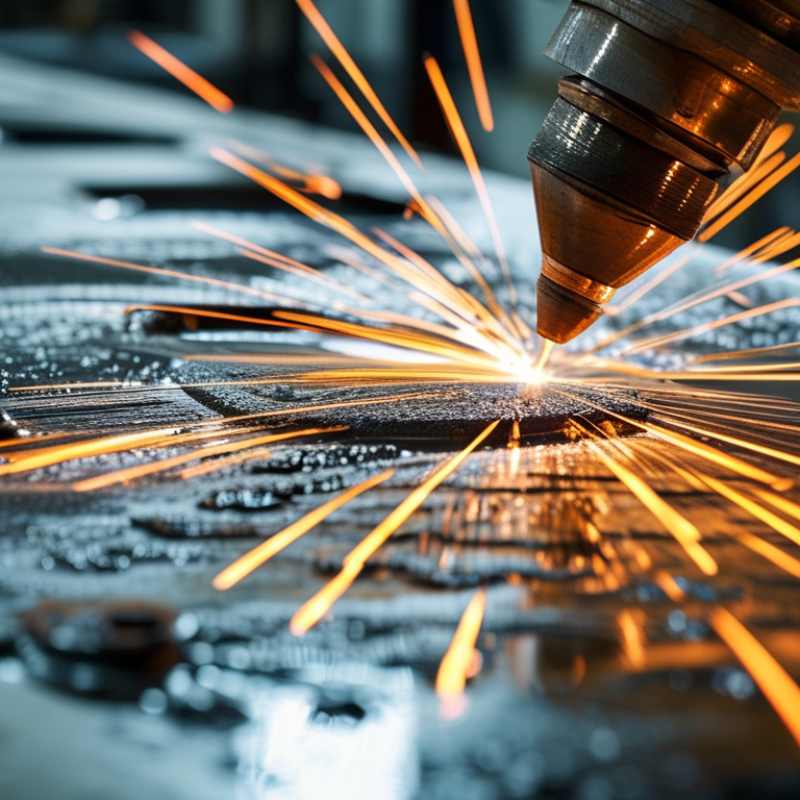
Top 10 Tips to Prevent Rust After Laser Cleaning Metal?

Importance of Preventing Rust After Laser Cleaning Metal

Laser cleaning is gaining popularity for its efficiency in removing rust, contaminants, and unwanted surface material from metals. However, the immediate aftermath of laser cleaning can lead to rapid oxidation. Moisture in the environment can easily settle on freshly cleaned surfaces. This makes preventing rust a priority for anyone using this technology.

One effective measure is to apply a protective coating right after the cleaning process. This acts as a barrier, shielding the metal from moisture and air. Another key strategy is controlling the storage environment. Keeping the cleaned metal in a dry area reduces the risk of rust formation. Additionally, regular inspections for signs of corrosion can help catch the problem early.

Despite these measures, sometimes they may not be enough. For instance, improper application of coatings can lead to uneven protection. Inadequate drying time might also leave underlying moisture trapped, setting the stage for rust. Constant attention and a proactive approach in maintaining cleaned metal surfaces are essential for long-lasting results.

Ideal Environmental Conditions to Minimize Rust Formation

Creating ideal environmental conditions is crucial to minimize rust formation after laser cleaning metal. Humidity plays a significant role. High humidity can accelerate rusting. Aim for a relative humidity below 50%. Use dehumidifiers in enclosed spaces to control moisture. They can effectively reduce humidity levels. Ensure proper ventilation as well.

Temperature also matters. Keep metal surfaces cool. Avoid temperatures above 70°F (21°C) during and after cleaning. This helps in minimizing moisture retention. Furthermore, consider the surrounding environment. Ideally, work in a dust-free, low-pollution area. Dust particles can trap moisture. Regularly monitor the area for contaminants. Cleanup any spills or debris immediately to maintain a clean workspace.

After cleaning, apply a protective coating if possible. Use rust inhibitors, which can be effective for long-term protection. Explore options like oils or waxes applied thinly. They can create a barrier against moisture. This step can seem tedious but is essential. Regular inspection of equipment and metal surfaces also aids in early rust detection. Early action is key to preventing prolonged exposure and damage.

Effective Coating Options for Laser-Cleaned Metal Surfaces

Laser cleaning metal surfaces can effectively remove contaminants. However, it also exposes the metal to rust risks. Applying the right coating immediately after cleaning is crucial. Various effective coating options can safeguard the surfaces from corrosion.

One option is to use a clear lacquer. This provides a protective layer, keeps the metal visible, and prevents oxidation. Polyurethane coatings are another excellent choice. They are durable and resistant to weathering. When applying, ensure the surface is completely dry to ensure proper adhesion.

Tip: Always perform a test patch before full application. This helps identify any potential issues early. Consider using rust-inhibiting primers for added protection.

However, keep in mind that no coating lasts forever. Regular inspections are necessary. As environmental conditions change, the effectiveness of your chosen coating may diminish. Be prepared to reapply as needed. Rust prevention requires ongoing effort and a proactive approach.

Routine Maintenance Practices to Extend Rust Resistance

Laser cleaning is effective, but maintaining rust resistance requires additional effort. Regular maintenance practices play a crucial role in preventing rust after metal surfaces have been cleaned.

To start, inspect cleaned surfaces frequently. Look for any signs of moisture or discoloration. Addressing these issues promptly can halt rust in its tracks. Apply a protective coating to shield the metal from moisture. Choose a suitable sealant based on the metal type for the best results.

Another central tip is to control the environment. Ensure that storage areas are dry and well-ventilated. Using dehumidifiers can significantly reduce humidity levels. Clean debris and dirt off surfaces regularly to avoid traps for moisture.

Wipe cleaned parts with oil to create a more rust-resistant barrier. Keep in mind that regular application may be needed in humid conditions. Balance between thorough cleaning and product application can be challenging. Adapting to the specific environment allows for better rust management.

Top 10 Tips to Prevent Rust After Laser Cleaning Metal

Choosing the Right Storage Solutions for Treated Metal Parts

Choosing the right storage solutions for treated metal parts is crucial in preventing rust. Proper storage can significantly extend the lifespan of laser-cleaned metals. Ensure your storage area is dry and ventilated. This reduces moisture buildup, which accelerates rust formation.

Applying protective coatings can be beneficial. These coatings act as barriers against environmental elements. They seal the metal and limit exposure to oxygen and humidity. However, not all coatings are suitable for every metal type. Research is necessary to choose wisely. For example, some coatings might not adhere well or can wear off quickly.

Proper organization of stored metals also matters. Keep parts off the ground to avoid water accumulation. Use shelves made of non-corrosive materials. Store items in a way that minimizes contact with each other. This can prevent scratches that may lead to rust. Regular inspections can help catch early signs of deterioration. Staying vigilant can lead to timely interventions, saving both time and resources in the long run.

FAQS

: Why is rust prevention important after laser cleaning?

: Rust prevention is crucial as moisture can quickly settle on freshly cleaned metal surfaces, leading to oxidation.

What is an effective way to protect cleaned metal?

Applying a protective coating immediately after cleaning forms a barrier against moisture and air exposure.

How should I store cleaned metal parts?

Store in a dry, ventilated area to minimize moisture buildup that can lead to rust formation.

What role do inspections play in rust prevention?

Regular inspections help identify early signs of corrosion, allowing for prompt action to mitigate damage.

Can protective coatings ever fail?

Yes, improper application can lead to uneven protection, allowing rust to form in unprotected areas.

Are all protective coatings suitable for every metal type?

No, some coatings may not adhere well or may wear off quickly, requiring thorough research beforehand.

How can I organize stored metal parts effectively?

Keep parts off the ground and use non-corrosive shelves to prevent water accumulation and reduce scratches.

What happens if I don’t allow sufficient drying time?

Inadequate drying time can trap moisture beneath coatings, increasing the risk of rust formation.

Why should I be cautious with storage methods?

Proper organization reduces contact between parts, preventing scratches that can lead to rust and damage.

What are the consequences of neglecting rust prevention?

Ignoring rust prevention can result in costly repairs and a significant decrease in the lifespan of metal parts.

Conclusion

Preventing rust after laser cleaning metal is crucial to ensure the longevity and performance of treated surfaces. The formation of rust can occur due to various environmental conditions, such as high humidity and exposure to corrosive substances. To minimize these risks, it's essential to maintain ideal conditions, ensuring that cleaned metals are stored in dry, controlled environments.

Applying effective coatings is another key strategy on how to prevent rust after laser cleaning metal. These coatings provide a protective barrier against moisture and contaminants. Additionally, routine maintenance practices, including regular inspections and cleaning, can significantly enhance rust resistance. Finally, choosing appropriate storage solutions for laser-cleaned metal parts further safeguards them from external factors that may lead to rust formation, ensuring that the benefits of laser cleaning are preserved over time.

Ethan

Ethan

Ethan is a seasoned marketing professional with a deep expertise in our company's innovative product line. With a passion for sharing knowledge and insights, he takes the lead in regularly updating our corporate blog, where he explores industry trends, product features, and effective marketing......