Maintaining a fiber laser welding machine is crucial for efficiency and longevity. Proper care ensures optimal performance and reduces unexpected downtime. Many operators often overlook maintenance routines, which can lead to significant issues. Understanding how to maintain a fiber laser welding machine is essential for any technician in the field.
Regular cleaning of optical components is vital. Dust and debris can compromise the laser's output quality. Additionally, checking electrical connections periodically can prevent malfunction. Operators should also keep track of wear parts, as they can impact overall functionality.
Neglecting minor details can result in larger problems. For instance, failing to calibrate the machine can cause inaccuracies in welding, leading to wasted materials. When in doubt, consult the manufacturer’s guidelines. This ensures that maintenance practices align with expert recommendations, enhancing reliability and performance.
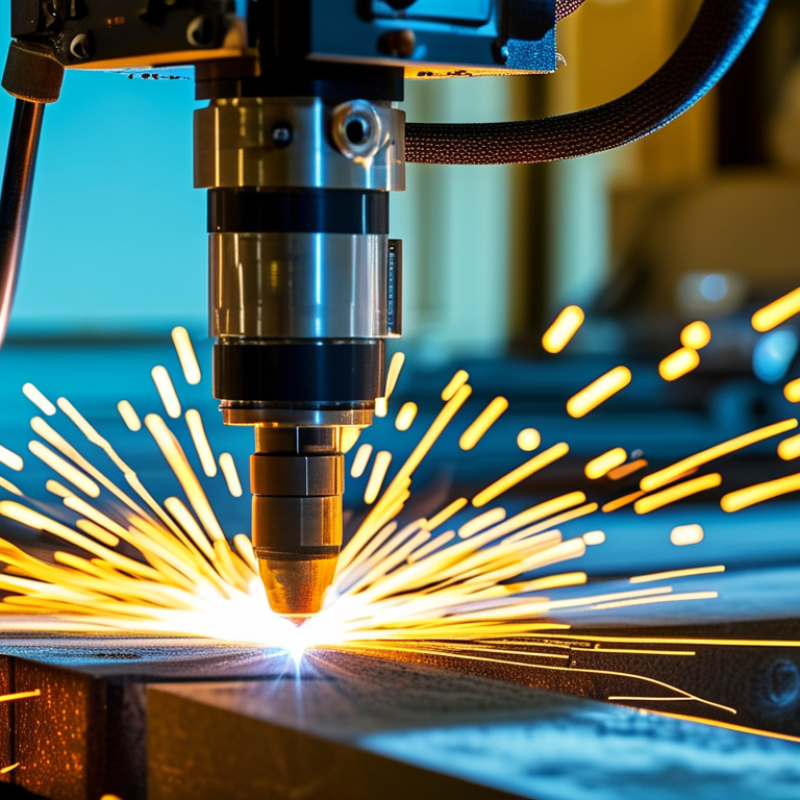
Fiber laser welding machines are cutting-edge tools in modern manufacturing. They work by using a focused beam of light to melt and fuse materials. This process allows for precise control over the welding process, resulting in high-quality welds. Understanding the structure is essential. A typical fiber laser system includes the laser source, delivery fiber, and the welding head. Each component plays a critical role in achieving optimal performance.
Maintenance involves regular checks and adjustments. The optical components must be cleaned to avoid contaminations. Dust can significantly affect the laser beam quality. Operators should inspect the fiber cables for damages as well. Even small flaws can lead to inefficiencies. Cooling systems also require attention. Poor cooling can cause overheating, which could damage the internal systems.
Operators often face challenges in maintenance routines. Common issues arise from neglecting basic upkeep. Many forget to schedule routine maintenance, leading to unexpected breakdowns. Additionally, technicians might not fully understand the components they're working with. This gap in knowledge underlines the importance of training. Regular workshops can improve skills and ensure equipment longevity.
Regular cleaning of a fiber laser welding machine is essential for optimal performance. Dust and debris can accumulate in the machine, especially around the optics and vents. A simple cleaning routine can prevent potential issues. Use a soft cloth for the exterior and compressed air to clear vents. Make sure not to touch the lenses directly; this can cause scratches.
Routine maintenance is just as important. Check the coolant levels regularly. Insufficient coolant can lead to overheating and damage. Keep an eye on the laser source and ensure it operates efficiently. Observing any unusual noises or performance dips can reveal underlying problems.
Even experienced operators might overlook these areas. It’s easy to get caught up in production and forget regular checks. Taking a moment to reflect on maintenance habits can save time and costs in the long run. Small actions like routine cleaning can make a significant difference in machine longevity and performance.
Monitoring and adjusting fiber laser settings is pivotal for efficient operation. Laser settings, including power, frequency, and pulse duration, significantly impact weld quality. A study indicates that optimal power levels can enhance penetration depth by approximately 25%. This data underscores the need for precision in settings, as even slight adjustments can yield substantial changes in performance.
Regular evaluation of these settings is crucial. Operators must be aware that factors like material type and thickness change the optimal parameters. Research shows that different metals require distinct settings for ideal results. Continuous monitoring can prevent issues like spatter or incomplete joints. Keeping an eye on the wavelength and focus is equally important.
A reliable approach involves periodic checks and benchmarking against established performance data. Reports suggest that failing to adjust settings properly could lead to 15% reduced efficiency over time. This highlights the importance of staying proactive rather than reactive in maintenance. Operators should foster a mindset of reflection and improvement, regularly asking if their current settings align with their production goals.
Troubleshooting common issues in fiber laser welding requires a keen eye and methodical approach. One common problem is inconsistent weld quality. This can stem from improper focus or alignment of the laser beam. Regularly check the lens for cleanliness. Even a smudge can disrupt the beam and affect results.
Another frequent issue is overheating. Monitor the cooling system regularly. If the machine shows signs of excessive heat, it may be time for maintenance. Issues such as improper coolant flow could lead to irreversible damage. Listen for unusual sounds or changes in performance. These can signal deeper problems that need addressing.
Lastly, pay attention to the welding parameters. Incorrect settings can lead to weak joints or burn-throughs. Adjust speed, power, and frequency based on material and thickness. Reference past projects for guidance, but be ready to tweak settings for optimal results. Each machine is unique, and fine-tuning is often necessary. A reflective mindset towards these details enhances overall machine reliability and performance.
| Issue | Possible Causes | Solutions | Maintenance Frequency |
|---|---|---|---|
| Inconsistent Welding Quality | Lens contamination, incorrect settings | Clean lenses, verify settings | Weekly |
| Overheating | Poor ventilation, high duty cycle | Improve ventilation, reduce workload | Monthly |
| Laser Not Firing | Power supply issues, settings failure | Check power supply, reset machine | As needed |
| Excessive Smoke or Fumes | Material quality, insufficient extraction | Use quality materials, check extraction system | Before each session |
| Misalignment | Mechanical issues, improper setup | Recalibrate machine, check mechanics | Monthly |
Regular professional inspections and services are crucial for maintaining a fiber laser welding machine. Research indicates that about 20% of machinery failures result from inadequate maintenance. Regular checks help to identify wear and tear before they escalate into major issues. An industry report highlighted that well-maintained machines can increase productivity by up to 15%. This significant improvement underscores the importance of professional oversight.
While preventive maintenance can extend machine life, many operators overlook scheduled inspections. Some even wait for sudden failures, leading to costly downtime. A 2022 study found that machines with regular professional service showed 30% fewer operational issues. Neglecting maintenance often results in reduced performance, unanticipated repairs, and increased operational costs. Assessing machine performance periodically is essential to achieve optimal results in welding operations.
: They are used to melt and fuse materials for precise welding in manufacturing.
It uses a focused beam of light to create high-quality welds through melting and fusion.
A typical system includes a laser source, delivery fiber, and welding head.
Regular maintenance ensures optimal performance and prevents unexpected breakdowns.
The optics and vents need cleaning to avoid dust and debris accumulation.
Poor cooling can lead to overheating, damaging internal systems and reducing longevity.
Neglecting upkeep and lacking knowledge about components can lead to inefficiencies.
Scheduling routine checks and reflecting on maintenance habits can improve care practices.
Yes, training can enhance skills and ensure technicians understand the components better.
Routine cleaning is crucial; small habits can have a significant impact on performance.
To understand how to maintain a fiber laser welding machine for optimal performance, it’s essential to grasp its fundamental components and functions first. Regular cleaning and maintenance procedures play a critical role in ensuring longevity and precision, involving routine checks and thorough cleaning of the machine and its components. Additionally, monitoring and adjusting settings for efficiency can lead to improved performance and reduced downtime.
Troubleshooting common issues helps identify and resolve problems swiftly, minimizing operational disruptions. Furthermore, the importance of regular professional inspections and services cannot be overstated, as they provide expertise that can preemptively catch potential issues and maintain the machine’s reliability. By following these steps, operators can significantly enhance the performance and durability of their fiber laser welding machines.
