What Fumes Does Laser Cutting Produce and How to Vent Them?

Time:2026-09-24 Author:Sophia
0%

Laser cutting leaves more than a clean edge. The beam heats and vaporizes material, creating smoke, fine particles, and gases that can collect around the work area. Their composition depends on the material, coatings, and cutting settings. Cutting wood may produce visible smoke and irritating compounds. Plastics can release different vapors, while painted or treated surfaces add uncertainty. The odor is not a reliable safety test. A faint smell can still signal exposure.

This guide answers “what are the fumes produced during laser cutting and how to vent them” with practical, material-aware guidance. It explains why source capture matters, how an exhaust system moves contaminated air outside, and when filtration may be needed. A close-fitting extraction hood can capture emissions near the cutting bed before they spread through a room. Duct size, airflow, filter condition, and safe exhaust placement all affect performance. Details matter.

No single setup suits every machine or material. Check the equipment manual and the material supplier’s safety information before cutting, and avoid unknown plastics or coatings. Keep filters maintained, inspect ducting for leaks, and confirm that exhaust does not re-enter occupied spaces. Even a well-designed system needs regular checks. That part is easy to overlook. This article offers a starting point, not a substitute for a qualified ventilation assessment when exposure risks are uncertain.
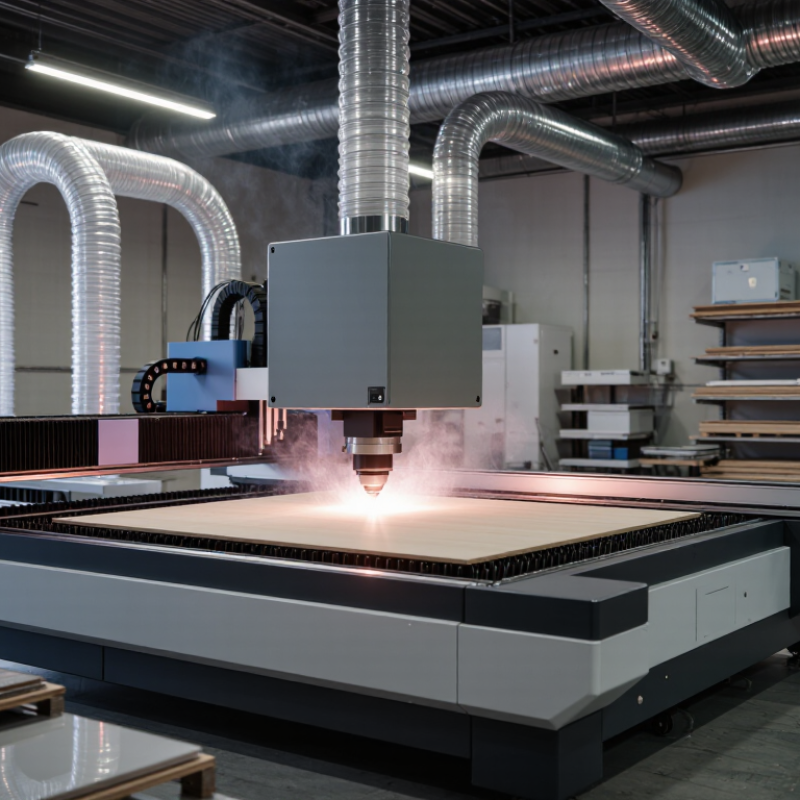
What Fumes Does Laser Cutting Produce and How to Vent Them?

How Laser-Cutting Materials and Settings Affect Fume Production

Laser-cutting fumes depend heavily on what enters the beam. Acrylic can release irritating vapors and fine particles, while wood produces smoke, char, and airborne dust. Painted, coated, or adhesive-backed sheets may create additional contaminants when heated. The surface can look harmless. It may not be.

Material thickness and composition matter, too. A dense sheet often needs slower cutting or more laser energy, which can increase heating and smoke. Excessive power may scorch edges; very low power can prolong exposure if the cut takes much longer. Air assist can push smoke away from the cut, but it does not replace extraction. Small adjustments can change the plume noticeably.

Ventilation should capture fumes close to their source and discharge or filter them through equipment suited to the material. Keep extraction running during cutting and long enough afterward to clear lingering smoke. Check filters and ductwork regularly; clogged filters reduce airflow, sometimes before the change is obvious. Use the material supplier’s safety information, and avoid cutting unknown coatings. I have seen a clean-looking test piece leave a sharp odor behind. That is a useful warning, not a measurement. When smoke escapes the enclosure, stop and reassess the setup.

Common Gases, Particles, and Residues in Laser-Cutting Fumes

Laser-cutting fumes depend on the material, its coatings, and the cutting settings. Wood and paper can release fine particles, smoke, carbon monoxide, and irritating organic vapors. The smell may linger, but odor alone cannot show whether the air is safe. Some plastics produce irritating or corrosive gases when heated, while coated materials can add unexpected residues. Check material safety information before cutting; an unfamiliar sheet deserves caution.

Metals may generate ultrafine particles and metal oxides, especially when cutting coated or painted surfaces. These particles can settle as a dark film near the bed or collect inside ducts. Not all residue is harmless. Keep it out of the breathing zone.

Capture fumes close to the cutting area with a properly sized exhaust hood, then discharge or filter the air using equipment suited to the contaminants. A fan that merely moves smoke around is not enough. Inspect filters and ducts regularly; blocked filters reduce airflow, sometimes without an obvious warning. Conditions vary. A setup that works for clean plywood may not control fumes from a coated panel. When material composition is uncertain, pause and verify it before cutting.

Potential Health Risks from Exposure to Laser-Cutting Fumes

Laser cutting can release a changing mix of gases, vapors, and fine particles. The exact emissions depend on the material, coatings, and cutting conditions. Some fumes can irritate the eyes, throat, or lungs; others may cause headaches or nausea. Repeated exposure can be more concerning, especially when harmful substances are present. Odor is not a reliable safety test. A faint smell can still accompany exposure, while some hazardous gases have little warning odor.

Risks vary by material. Cutting plastics, painted surfaces, or treated wood may release irritating or toxic compounds. Even familiar materials can produce fine particles that settle on nearby benches and equipment. A common mistake is to judge air quality by how clear the room looks. It is easy to assume that opening a door is enough, but it may not capture fumes at the cutting point. If symptoms occur, stop work, move to fresh air, and seek qualified medical advice when needed.

Tips: Use local exhaust ventilation positioned close to the cutting area, and confirm it is operating before each job. Keep the enclosure closed when practical, maintain filters as specified, and check that exhaust is discharged safely outdoors. Choose known, suitable materials; avoid cutting unidentified or coated stock. A simple checklist helps, though it is not a substitute for a professional exposure assessment.

How Local Exhaust Ventilation Captures and Removes Fumes

Local exhaust ventilation works best when it captures laser-cutting fumes close to where they form. A hood positioned near the cutting head draws smoke and fine particles into a duct before they spread across the work area. Keep the opening close, but leave enough room for the machine’s movement. Small adjustments can make a visible difference: smoke should travel toward the hood, not curl past the operator’s face.

Air moves through the duct to suitable filtration or a safe discharge point, depending on the system and material being cut. Filters need regular inspection because dust buildup can reduce airflow, even when the fan still sounds normal. Check airflow indicators and look for leaks around duct joints. A paper strip near the hood can offer a rough visual check, but it cannot replace proper measurements or maintenance guidance. It is easy to assume the system is working because the air looks clear. That assumption deserves a second look. Some fumes are not visible, and different materials can produce different contaminants. Use only materials identified as suitable for the laser process, and follow their safety information and the ventilation system’s instructions.

Choosing, Operating, and Maintaining Fume Filtration Systems

Choosing a fume filtration system starts with the material, not the machine’s advertised capacity. Wood, acrylic, and coated metals can produce different particles and gases, so check material safety information before cutting. A filter that catches visible dust may not remove every gas. That distinction matters. Match the system’s filtration stages and airflow to the materials, cutting area, and extraction points. If possible, ask a qualified ventilation professional to assess the setup; a quiet fan is not proof of effective capture.

During operation, keep the extraction hood close to the cutting zone and check that hoses are not crushed or leaking. Smoke escaping around the hood is a practical warning, even when the machine still cuts well. Watch for changes in airflow, unusual odors, or residue collecting outside the intended capture area. Pause and investigate rather than assuming the filter will handle everything. Real workshops are imperfect, and doors opening or nearby fans can disturb airflow.

Maintenance is part of the control system. Follow the filter maker’s service intervals, but also inspect pressure gauges, seals, ducts, and prefilters regularly. Replace loaded filters safely, using suitable protective equipment and disposal procedures for the collected material. Keep a simple log of service dates and any airflow problems. It can reveal a pattern. I’d also recheck extraction after moving a machine or changing materials; that step is easy to forget, and sometimes the original setup no longer fits.

What Fumes Does Laser Cutting Produce—and How Should They Be Vented?

Laser cutting can generate fine particles and gases; the mix depends on the material and process. The chart compares selected U.S. OSHA permissible exposure limits (PELs) for metal fume constituents. These are regulatory limits—not recommended design targets or measurements of laser-cutting emissions.

Use source capture at the cutting head and a filtration system suited to the material and contaminants. Check airflow and filter differential pressure regularly, replace filters according to the system manufacturer’s guidance, and verify control effectiveness with appropriate exposure monitoring. Applicable limits and requirements can vary by substance and jurisdiction.

FAQS

What can laser-cutting fumes contain?

They can include gases, vapors, and fine particles. The mix depends on the material, its coatings, and cutting conditions.

What symptoms might exposure cause?

Fumes may irritate the eyes, throat, or lungs. Headaches or nausea can also occur. Move to fresh air if symptoms appear.

Can smell or clear air show that a workspace is safe?

No. Some fumes have little odor, and invisible contaminants may remain even when the room looks clear.

Which materials need extra caution?

Plastics, painted surfaces, and treated wood may release harmful compounds. Avoid cutting unidentified or coated stock.

Where should local exhaust ventilation capture fumes?

Position the hood close to the cutting area, while leaving room for machine movement. Smoke should flow toward the hood, not past your face.

How can operators check whether ventilation is working?

Check airflow indicators and inspect duct joints for leaks. A paper strip can show airflow roughly, but it cannot replace proper measurements.

Why inspect filters if the fan sounds normal?

Dust buildup can reduce airflow even when the fan runs. Follow the system’s maintenance instructions and inspect filters regularly.

Is opening a door enough to clear fumes?

Not necessarily. It may not capture emissions near the cutting point. Local exhaust ventilation works closer to where fumes form.

What should someone do if they feel unwell after exposure?

Stop work and move to fresh air. Seek qualified medical advice when needed. Don’t rely on a simple checklist alone.

Conclusion

Laser cutting can produce different fumes depending on the material, coating, thickness, power, speed, and assist gas used. The process may release gases, fine particles, smoke, and surface residues, especially when cutting plastics, painted metals, composites, or treated materials. Some emissions can irritate the eyes, skin, and respiratory system, while repeated or poorly controlled exposure may create more serious health concerns. Understanding what are the fumes produced during laser cutting and how to vent them is essential for maintaining a safer and cleaner workspace.

Effective control begins with local exhaust ventilation positioned close to the cutting area, where it can capture contaminants before they spread. A suitable filtration system should match the materials and expected emission levels, combining appropriate particle and gas filtration when necessary. Operators should inspect airflow, replace filters according to loading or performance indicators, clean ducts and enclosures, and follow safe operating procedures. Good ventilation, regular maintenance, and careful material selection work together to reduce exposure and improve cutting conditions.

Sophia

Sophia

Sophia is a dedicated marketing professional with an exceptional depth of knowledge about her company's products and services. With a keen understanding of market trends and customer needs, she crafts insightful blog posts that not only inform but also engage readers, enriching the company’s online......