China Top 10 CO2 vs Fiber Laser Which Is Better?

Time:2026-10-14 Author:Sienna
0%

Choosing between CO2 and fiber technology is rarely a simple ranking exercise. In China’s competitive laser market, the question “what is the difference between CO2 and fiber laser” depends on material, thickness, production volume, and maintenance conditions. A fiber machine can cut thin stainless steel quickly, often with lower operating costs. A CO2 system may still offer smoother results on acrylic, wood, glass, and certain nonmetallic materials.

Dr. Reinhart Poprawe, a respected laser technology researcher, offers a useful principle: “The best laser is the one matched to the application.” That idea matters when reviewing China’s top ten CO2 and fiber laser manufacturers. Factory demonstrations can look impressive. Real production is less predictable. Operators must examine beam quality, cutting-head stability, spare-parts access, software control, and after-sales training. These details affect uptime more than a brochure’s headline speed.

There is no universal winner.

For example, a sheet-metal workshop processing 1.5-millimeter stainless steel may value fiber’s speed and efficiency. A sign manufacturer working with thick acrylic may prefer CO2’s broader material range. Energy consumption also deserves attention. Fiber lasers usually convert electrical power more efficiently, but purchase price, chiller design, optics, and service quality change the total calculation.

This comparison has limits. Machine performance varies between models, even within one brand. Therefore, buyers should request sample cuts using their own materials. Check edge quality, piercing time, kerf width, and long-term service response. The strongest choice is not always the fastest machine. It is the system that remains reliable beside your actual production line.
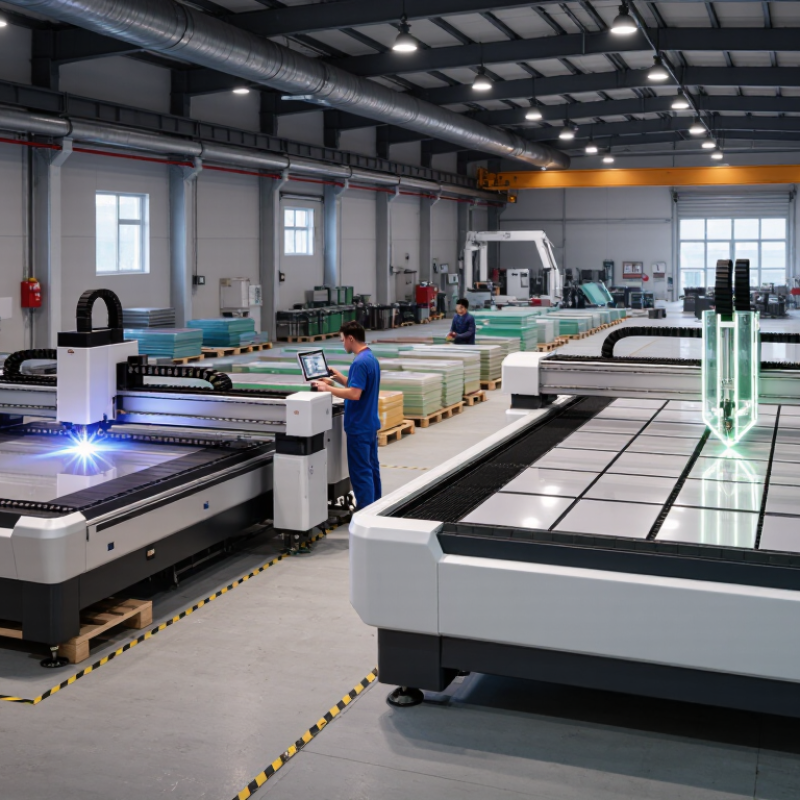
China Top 10 CO2 vs Fiber Laser Which Is Better?

What Are CO2 and Fiber Lasers?

What Are CO2 and Fiber Lasers?

CO2 lasers use a gas mixture, usually containing carbon dioxide, to create an infrared beam near 10.6 micrometers. Mirrors guide this beam toward the work surface. The wavelength is absorbed efficiently by wood, acrylic, paper, leather, rubber, and many fabrics. It can also process some coated metals, although results depend on the coating and settings. Light behaves differently.

Fiber lasers generate light inside a doped glass fiber, commonly using ytterbium. Their beam usually operates near 1.06 micrometers. This shorter wavelength couples strongly with metals, making fiber systems effective for steel, aluminum, brass, copper, and many alloys. They are widely used for marking serial numbers, cutting sheet metal, and producing fine details. The difference matters.

In practical workshops, the material decides more than the machine label. A CO2 laser may create cleaner edges on acrylic, while a fiber laser often marks bare metal faster and with sharper contrast. Operators must still control power, speed, focus, air flow, and ventilation. Poor calibration can cause scorching, burrs, weak marks, or excessive heat. It is not magic.

The comparison is not always clean. Material thickness, surface finish, lens choice, and required tolerance can change the better option. I have seen users choose by wattage alone, then overlook beam quality and maintenance. That approach needs reflection. A careful trial piece, measured with calipers and inspected under consistent lighting, gives more reliable evidence than advertising claims.

How CO2 and Fiber Lasers Work

CO2 and fiber lasers convert electrical energy into concentrated light, but their working paths differ. A CO2 laser excites a gas mixture inside a sealed tube. It produces infrared light near 10.6 micrometres. Mirrors guide this beam toward the cutting head. The longer wavelength works well on acrylic, wood, glass, and many non-metallic materials.

A fiber laser starts with semiconductor diodes. These diodes inject light into a rare-earth-doped fiber, where the light becomes amplified. The resulting beam usually operates near 1.06 micrometres. It travels through optical fiber to the processing head. This shorter wavelength couples efficiently with reflective metals, including steel, aluminium, and brass. A 2024 industry analysis from Laser Focus World reports continued demand for fiber systems because of their compact design and lower maintenance needs. Technical reviews published through SPIE also commonly place fiber laser wall-plug efficiency around 25–35%, while CO2 systems often remain near 8–15%. Actual results vary.

Tips: Match wavelength to the material, not only thickness. Check beam quality, lens condition, assist-gas use, and duty cycle. A small workshop may value reliability more than maximum speed. Fiber systems can struggle with some thick, transparent, or organic materials. CO2 systems may consume more power, yet they can produce cleaner edges on selected non-metals. These comparisons are useful, but not perfect. Real production data should decide.

China’s Top 10 CO2 and Fiber Laser Manufacturers

China’s top ten CO2 and fiber laser manufacturers are not ranked by factory size alone. A useful review examines beam stability, cutting accuracy, service response, and long-term operating cost. It also checks whether published specifications match real production results.

CO2 laser manufacturers often serve workshops cutting acrylic, wood, leather, fabric, and other nonmetal materials. Their systems can produce smooth edges on acrylic sheets and detailed patterns on wooden panels. Fiber laser manufacturers focus on stainless steel, carbon steel, aluminum, and brass. A fiber machine usually cuts thin metal faster and uses less routine maintenance. The difference becomes clear on a busy production floor.

I have found that machine selection depends heavily on material thickness and daily workload. A small fabricator may value simple controls more than maximum power. A large plant may require automated loading, stable cooling, and documented accuracy. The leading ten manufacturers typically provide testing, installation guidance, and spare-part support. Still, no ranking is perfect. Some suppliers show impressive samples but provide limited long-term data. Buyers should request test cuts using their own materials. They should also inspect safety systems, warranty terms, and service coverage before ordering. A polished showroom cannot replace verified performance.

China Top 10 CO2 vs Fiber Laser: Which Is Better?

Comparison Dimension CO₂ Laser Fiber Laser Practical Advantage
Typical Wavelength Approximately 10.6 μm Approximately 1.06–1.08 μm Fiber lasers are better absorbed by most metals; CO₂ lasers are well suited to many organic materials.
Best-Suited Materials Acrylic, wood, paper, fabric, leather, glass, plastics and selected coated metals Carbon steel, stainless steel, aluminum, brass, copper and other reflective metals The better choice depends mainly on the material portfolio.
Typical Industrial Power Range About 40 W to 30 kW, depending on the application About 500 W to more than 30 kW, depending on the application High-power fiber systems are widely used for fast metal cutting and heavy fabrication.
Electrical Efficiency Typically around 8–15% wall-plug efficiency for the laser source Typically around 25–40% wall-plug efficiency for the laser source Fiber lasers generally consume less electrical power for comparable metal-cutting output.
Beam Delivery Usually requires mirrors and a beam path that must be aligned Delivered through optical fiber with no external mirror alignment Fiber systems generally provide simpler integration and easier maintenance.
Maintenance Requirements Higher; mirrors, lenses, gas systems and cooling components require regular inspection Generally lower; the sealed optical source has fewer routine alignment requirements Fiber lasers are usually preferable where minimizing maintenance downtime is important.
Metal Cutting Speed Effective on thin and non-metal materials; less efficient on many bare metals Generally faster on thin and medium-gauge metals, especially stainless steel and mild steel Fiber lasers commonly deliver higher throughput in sheet-metal production.
Non-Metal Cutting Quality Excellent for acrylic, wood, textiles, leather and many plastics Limited or unsuitable for many transparent, organic and non-metal materials CO₂ lasers are generally the stronger option for mixed non-metal fabrication.
Reflective Metals Can be challenging and may require specialized configurations Well suited when the system is designed for reflective materials and includes appropriate protection Fiber lasers usually provide better performance on aluminum, brass and copper.
Operating Cost Often higher because of lower electrical efficiency, gas consumption and additional maintenance Often lower per processed part due to higher efficiency and reduced maintenance Fiber lasers typically have an advantage in high-volume metal production.
Initial Investment Can be cost-effective for signage, crafts and non-metal processing May require a higher initial investment for high-power metal-cutting configurations CO₂ may suit lower-volume or diversified workshops; fiber may deliver stronger long-term value for metalwork.
Typical Applications Signage, packaging, interior products, textiles, woodworking and acrylic fabrication Sheet-metal cutting, tube processing, automotive parts, appliances and general metal fabrication Choose according to production material, thickness, speed and automation needs.
Overall Recommendation Better for non-metals and applications requiring versatile organic-material processing Better for efficient, high-speed and high-volume metal processing Neither technology is universally better; application requirements determine the best choice.

Note: Figures are representative industry ranges. Actual performance depends on laser power, material grade, thickness, optics, cutting head, assist gas, machine design and process settings.

CO2 vs Fiber Laser: Key Performance Differences

CO2 and fiber lasers differ most in wavelength, material response, cutting speed, and daily maintenance.

Fiber systems use a shorter wavelength, which metals absorb efficiently. This often produces faster cutting on thin stainless steel, aluminum, and mild steel. Their compact beam path also reduces alignment work.

Material changes everything.

CO2 lasers remain practical for acrylic, wood, rubber, textiles, and many nonmetallic sheets. On certain thicker metals, they can deliver a smooth edge when power, gas pressure, and focus are carefully adjusted.

I have seen small focus errors create heavy dross within minutes.

Operator skill still matters. A clean lens and stable assist gas can change the result more than expected.

Fiber machines usually consume less operating power and need fewer optical adjustments. However, their protective windows and cutting heads still require inspection. Reflective metals demand suitable equipment and controlled settings.

Never judge a machine from speed charts alone.

Test the actual thickness, alloy, tolerances, and production volume.

A workshop cutting mostly sheet metal may favor fiber technology.

A fabrication room handling mixed materials may value CO2 flexibility.

The cheaper purchase can become the costlier choice when maintenance, ventilation, gas, and training are counted.

Some comparisons remain incomplete because they ignore setup time and rejected parts.

Which Laser Is Better for Your Application?

China Top 10 CO2 vs Fiber Laser: Which Is Better for Your Application?

The better laser depends on the material, thickness, tolerances, and production rhythm. Fiber lasers usually suit stainless steel, carbon steel, aluminum, brass, and copper. Their shorter wavelength couples efficiently with reflective metals. Fraunhofer ILT technical reports commonly place modern fiber-laser wall-plug efficiency above 30%, while CO2 systems often operate near 10–15%. That difference affects electricity use, cooling, and factory heat.

CO2 lasers still have a practical advantage with acrylic, wood, textiles, rubber, and many plastics. Their 10.6-micron wavelength can produce cleaner edges on some nonmetals. Fiber systems may mark or cut these materials poorly, and reflected energy can create serious equipment risks. The U.S. Department of Energy’s Industrial Decarbonization Roadmap identifies energy efficiency as a major industrial opportunity, but efficiency alone cannot select the right machine.

Ask what the laser must do daily. A high-power fiber laser can cut thin metal quickly, yet it may not improve thick-plate quality without suitable optics and gas control. A CO2 laser may consume more power, but its beam delivery can remain valuable for large nonmetal sheets. I would not choose from wattage alone. Material trials matter. So does maintenance history. Some workshops also underestimate operator skill, contamination, and unstable ventilation. The wrong choice becomes expensive slowly.

FAQS

How does a CO2 laser produce its cutting beam?

It excites a gas mixture inside a sealed tube. Mirrors guide infrared light toward the processing head. Its wavelength is about 10.6 micrometres.

Which materials suit CO2 lasers?

They often handle acrylic, wood, glass, leather, and fabric. Acrylic edges can look smooth. Results still depend on settings and material quality.

How does a fiber laser work?

Semiconductor diodes send light into a rare-earth-doped fiber. The fiber amplifies the light. The beam usually operates near 1.06 micrometres.

Why are fiber lasers effective on metals?

Their shorter wavelength couples efficiently with reflective metals. Common examples include steel, aluminium, and brass. Thin sheets may cut quickly.

Which system uses less energy?

Fiber systems often show wall-plug efficiency near 25–35%. CO2 systems commonly remain near 8–15%. Actual performance varies.

Is thickness the only selection factor?

No. Match wavelength to the material first. Check beam quality, lens condition, assist gas, and duty cycle. Thickness matters, but it is not enough.

What should a small workshop value?

Reliability may matter more than maximum speed. Simple controls can reduce training time. That sounds obvious, yet buyers sometimes ignore it.

How can buyers verify manufacturer claims?

Request test cuts using your own materials. Inspect safety systems, warranty terms, service coverage, and spare-part support. A polished sample is not proof. I may be too cautious, but long-term data matters.

Conclusion

CO2 and fiber lasers are two widely used technologies for cutting, engraving, marking, and processing different materials. CO2 lasers use a gas mixture to generate an infrared beam, making them effective for nonmetal materials such as wood, acrylic, glass, leather, and plastic. Fiber lasers use a solid-state optical fiber as the gain medium and are especially efficient for metals, including stainless steel, carbon steel, aluminum, brass, and copper. Understanding what is the difference between CO2 and fiber laser helps users select equipment based on material type, thickness, speed, precision, maintenance, and operating cost.

This article introduces how both laser systems work and presents a neutral comparison of China’s top ten manufacturers without focusing on brand names. It examines key differences in wavelength, energy efficiency, cutting performance, service requirements, and long-term value. Neither technology is universally better: fiber lasers are often preferred for metal processing and high-speed production, while CO2 lasers remain highly versatile for nonmetal applications. The best choice depends on the materials, workflow, budget, and production goals of each user.

Sienna

Sienna

Sienna is a skilled marketing professional with a deep expertise in our company’s core products and services. With a passion for innovation and detail, she plays a pivotal role in crafting insightful blog posts that not only highlight the unique features of our offerings but also provide valuable......