When it comes to laser cutting stainless steel, understanding what gas is best for the process is crucial. John Smith, a leading expert in laser technology, emphasizes, "The right gas can significantly enhance the quality of your cuts." Different gases serve unique purposes, impacting cut quality, speed, and cost.
Oxygen, nitrogen, and argon are commonly used gases for laser cutting stainless steel. Each gas offers distinct advantages and shortcomings. For instance, oxygen supports faster cutting but may result in oxidation, affecting finish quality. Nitrogen, on the other hand, minimizes oxidation risks but can slow down the overall process. Choosing the right gas is more than a technical decision; it's about optimizing performance while balancing cost-effectiveness.
The question, "what gas is best for laser cutting stainless steel," does not have a one-size-fits-all answer. Factors like material thickness and desired finish quality complicate the decision. Experts often recommend testing various gases in real-world conditions. This practical approach underscores the importance of flexibility in choosing the right gas. Ultimately, the choice can dramatically affect the slicing precision and surface integrity of the final product.
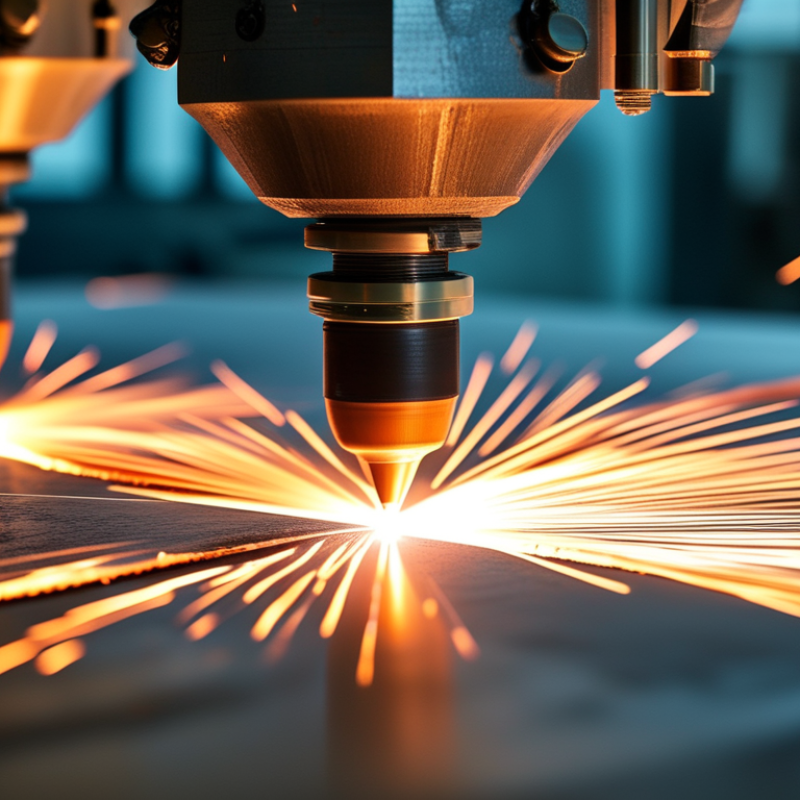
Factors Influencing Gas Selection for Laser Cutting Stainless Steel
When it comes to laser cutting stainless steel, the choice of gas plays a vital role in the process efficiency and final quality. Factors that influence gas selection include the desired cutting speed, thickness of the material, and the type of stainless steel being processed. Nitrogen is often preferred for cutting thinner materials, while oxygen enhances the speed for thicker sheets. However, using oxygen can create a rougher edge, potentially compromising the finish quality.
Another important consideration is the cost-effectiveness of the gas. According to industry reports, using nitrogen can reduce the operational costs by about 20% when cutting thin materials. However, for thicker cuts, oxygen may provide a faster turnaround time at a slightly higher expense. It’s essential to evaluate both the quality and cost when making your selection.
**Tips:** Always conduct trial cuts to assess the quality of the edge and speed with different gases. Monitor the gas flow rates closely; inadequate flow can lead to incomplete cuts and increased material waste. Be prepared for adjustments, as variations in metal composition can also influence gas performance. Ensuring you have the right gas for your specific cutting requirements can significantly improve your overall production efficiency.
Popular Gases Used in Laser Cutting Stainless Steel
When it comes to laser cutting stainless steel, the choice of gas is crucial. The right gas can significantly enhance the cutting quality and efficiency. Two popular gases used in this process are nitrogen and oxygen. According to industry reports, nitrogen is often the preferred choice for high-quality cuts. It produces clean edges and minimizes oxidation. Using nitrogen reduces post-processing, saving time and resources.
Oxygen, on the other hand, can accelerate the cutting process. However, it tends to create a rougher edge and requires additional polishing. A study by the International Laser Manufacturing Conference noted that using oxygen could increase cutting speeds by up to 20%. Yet, the quality trade-off must be considered.
**Tips:** Always test different gas types on scrap material. This practice helps determine the best option for your specific needs. Additionally, monitor the cutting speed and adjust as necessary. Maintaining optimal gas purity is critical for consistent results. Use high-quality sources, and keep your laser equipment well-maintained for the best outcomes.
Gas Types Used in Laser Cutting Stainless Steel
This chart illustrates the effectiveness of different gases used in laser cutting stainless steel, focusing on their respective cutting speed and quality performance.
Comparative Analysis of Oxygen, Nitrogen, and Argon for Cutting
Selecting the right gas for laser cutting stainless steel can significantly affect the cut quality and efficiency. Oxygen, nitrogen, and argon are commonly used gases, each with unique characteristics. Oxygen offers a high cutting speed and is cost-effective, making it popular for thicker materials. A study from the International Journal of Advanced Manufacturing Technology noted that oxygen can enhance oxidation during the cutting process, which might lead to a rougher edge that requires additional finishing.
On the other hand, Nitrogen is a clear choice for those seeking a cleaner cut. It reduces oxidation, resulting in a smoother finish. Reports indicate that when using nitrogen, the kerf width is narrower, potentially improving product quality. However, nitrogen's slower cutting speed can lead to increased operation time, which might raise costs.
Argon is less common but useful for specific applications. It produces minimal oxidation, making it suitable for high-precision projects. However, argon typically has higher operational costs due to its availability and pressure requirements. Each gas comes with trade-offs, emphasizing the need for careful consideration of project requirements.
Optimization Techniques for Gas Usage in Laser Cutting Processes
Optimizing gas usage in laser cutting processes is crucial for
efficiency and quality. The choice of gas can significantly impact the cutting speed, kerf width,
and overall edge quality when working with stainless steel. Typically, oxygen and
nitrogen are the most common gases used. Oxygen supports exothermic reactions, speeding up the
cutting process, while nitrogen provides cleaner cuts without oxidation.
When optimizing gas performance, it's essential to consider pressure
and flow rates. Higher pressure can increase cutting speed but may also lead to a rougher edge.
Conversely, low pressure can yield smoother edges but at a slower cutting rate. Finding the
right balance is often a trial-and-error process. Some operators may overlook these parameters,
leading to inefficiencies.
Another factor is the purity of the gases used. Impurities
can affect the laser beam's quality and lead to defects in the cut. Regular testing and
monitoring of gas quality should be standard practice. Many who neglect this step often face
unwanted challenges during production. Each project may require different optimization strategies,
so remaining flexible and observant is vital for success.
Safety Considerations When Using Gases for Laser Cutting Stainless Steel
When laser cutting stainless steel, the choice of gas plays a vital role in both safety and effectiveness. Oxygen, nitrogen, and argon are commonly used. Each gas has unique characteristics. For example, oxygen enhances cutting speed, but it can also increase the risk of fires. Proper ventilation in the workspace is crucial, especially when using oxygen.
Using nitrogen can reduce oxidation. However, it may require longer cutting times. This consideration is essential for safety as clogs can form with improper gas flow. Maintaining equipment and monitoring gas levels are key to prevent accidents.
Tips: Always wear appropriate safety gear. Protective eyewear and gloves are a must. Ensure that fire extinguishers are readily available. Regularly check gas connections to avoid leaks. Safe practices protect both equipment and personnel.
FAQS
: Factors include cutting speed, material thickness, and the type of stainless steel. Each factor affects efficiency and quality.
Nitrogen is often chosen for thin materials due to its cleaner cut and reduced oxidation.
Oxygen increases cutting speed but may create a rough edge, potentially lowering finish quality.
Nitrogen can cut costs by about 20% for thin materials, while oxygen may speed up thicker cuts at a higher cost.
Trial cuts help assess the edge quality and speed with different gases, ensuring the best results for specific needs.
Inadequate gas flow can lead to incomplete cuts and more material waste. Monitor flow rates carefully.
Argon produces minimal oxidation, ideal for high-precision cuts, but comes with higher operational costs.
Different metal compositions can influence how gases react, requiring adjustments for optimal cutting results.
Yes, despite a smoother cut, nitrogen's slower speed can increase the time needed for operations, affecting overall efficiency.
Consider both the desired quality and cost. Each gas has trade-offs that must align with project requirements.
Conclusion
When considering what gas is best for laser cutting stainless steel, several factors come into play, including the type of steel, thickness, and desired finish. The most commonly used gases for this process are oxygen, nitrogen, and argon. Oxygen offers a fast cutting speed, suitable for thicker materials, while nitrogen provides a cleaner finish for thinner cuts. Argon, though less frequently utilized, can minimize oxidation in specific applications.
In addition to choosing the right gas, optimization techniques can enhance gas usage efficiency, improving overall cutting performance. Safety considerations are paramount, ensuring that proper ventilation and protective measures are in place when handling gases during the laser cutting process. Overall, selecting the appropriate gas and implementing optimization strategies are critical for achieving high-quality results in stainless steel laser cutting.

 Zico Machine