How to Adjust Focal Length on Laser Cutting Machine?

Time:2026-06-27 Author:Madeline
0%

In the world of laser cutting, precision is key. One crucial aspect of achieving that precision is understanding how to adjust focal length on laser cutting machine effectively. The focal length determines the point where the laser beam is most concentrated, influencing cutting depth and quality. A well-adjusted focal length ensures cleaner cuts and finer details.

However, adjusting this setting can be challenging. Different materials require different focal lengths for optimal results. For instance, acrylic and wood both respond differently to laser cutting. This variability means that operators must have a firm grasp of their machine's characteristics. With experience, users often find that trial and error guides them to the perfect settings. It is vital to analyze the performance after each adjustment to ensure the desired results.

Operators can benefit from documented guidelines and manufacturer recommendations. They should keep a record of successful settings. In the long run, learning how to adjust focal length on laser cutting machine helps in achieving consistency. It empowers users to tackle multifaceted projects and enhance their skill set. Embracing this knowledge will ultimately augment both the efficiency and the quality of the final products.
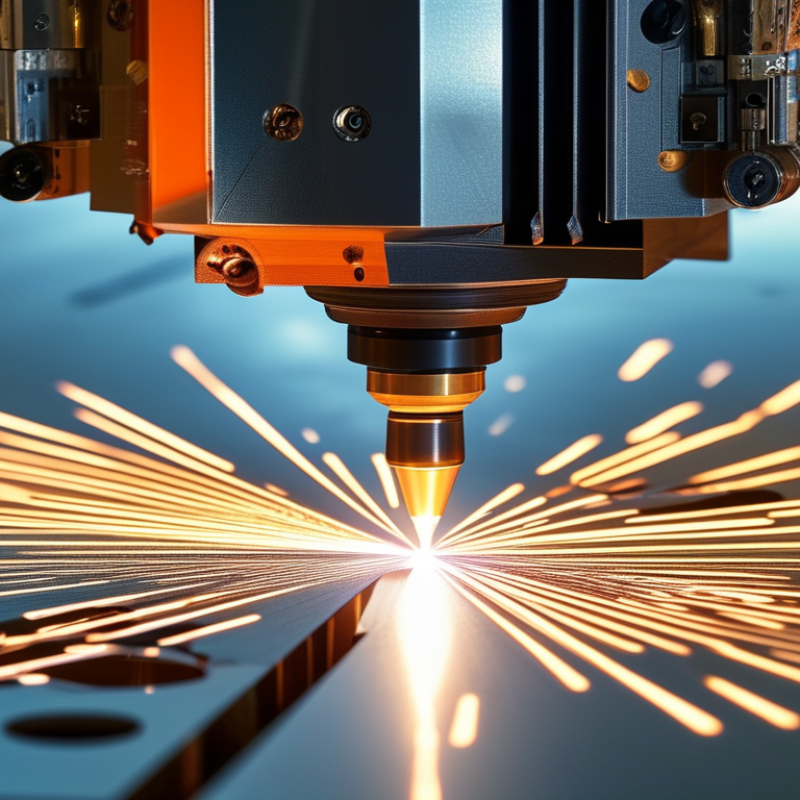
How to Adjust Focal Length on Laser Cutting Machine?

Understanding Focal Length in Laser Cutting Machines

Understanding focal length in laser cutting machines is crucial for achieving precise cuts. Focal length refers to the distance between the lens and the material being cut. This distance impacts the beam size and intensity at the surface, affecting the quality of the cut. A shorter focal length typically results in a smaller spot size, enhancing detail. However, it also can increase the risk of burning or warping thinner materials.

When adjusting focal length, consider the thickness of the material. For thicker materials, a longer focal length is often better, allowing for deeper penetration. Yet, this may compromise the sharpness of the cut edges. Laser operators should experiment with settings to find the right balance. It takes practice and patience to master these adjustments. Understanding these characteristics helps operators fine-tune their machines for specific projects.

Inconsistent results may arise, urging operators to reflect on their techniques. Adjusting parameters, such as speed and power, alongside focal length can yield better outcomes. Each adjustment influences the final product. Being aware of these nuances can enhance the overall laser cutting experience.

Importance of Correct Focal Length for Cutting Quality

Correct focal length is crucial in laser cutting. When the focal point is properly adjusted, the laser beam achieves its peak intensity. This means better cuts through materials. If the focal length is too long or too short, cutting quality diminishes. You may end up with excessive melting or a rough edge.

Finding the right focal length requires experience. Experimenting with different settings helps. Each material has a specific optimal focal point. Conducting tests can reveal imperfections in your cutting process. Don’t be afraid to make adjustments based on your results.

Maintaining consistency is essential. Even slight variations can affect output quality. Take note of how small changes impact your work. It’s not just about the machine; your technique matters too. Understanding the significance of focal length will elevate your cutting projects. This knowledge helps ensure precision and efficiency.

Step-by-Step Guide to Measure Current Focal Length

Measuring the current focal length of a laser cutting machine is vital for optimal performance. Begin by preparing your workspace. Ensure that you have adequate lighting and all necessary tools, such as a ruler or caliper. Safety gear is essential. Wear protective eyewear to safeguard against stray laser beams.

To measure the focal length, focus the laser on a piece of material, then measure the distance from the lens to the surface. This distance gives you the current focal length. It’s critical to keep the material flat for an accurate reading. Small discrepancies can result in poor cutting quality. If the material is warped or uneven, reassess your measurement.

Tips abound in this process. Regularly check and clean the lens. Even dust can alter the focal point. Make adjustments based on the material thickness. Thicker materials may require different focal settings. Don’t hesitate to consult the machine's manual for specific instructions. It is always wise to document your measurements for future reference. These small details matter for precision and efficiency in your projects.

How to Adjust Focal Length on Laser Cutting Machine? - Step-by-Step Guide to Measure Current Focal Length

Step Description Tools Required Estimated Time
1 Turn off the machine and ensure safety protocols. None 5 min
2 Locate the focal length adjustment screw on the cutting head. Screwdriver 3 min
3 Measure the current focal length using an appropriate method (e.g., focal length gauge). Focal length gauge 10 min
4 Adjust the focal length by turning the screw until the desired length is achieved. Screwdriver 5 min
5 Test the laser cutting performance on a sample material to ensure accuracy. Test material 15 min

Adjusting the Focal Length: Tools and Techniques

Adjusting the focal length on a laser cutting machine is crucial for achieving optimal cutting quality. The focal length affects the laser beam's intensity and precision. Industry data indicates that an incorrect focal length can result in a decrease in cutting efficiency by up to 25%. Therefore, understanding the tools and techniques for adjustment is essential.


Utilizing a focal length gauge is an industry-standard practice. This tool accurately measures the distance from the lens to the workpiece. Operators can make micro-adjustments based on material type. For instance, thicker materials often require a longer focal length for efficient cutting. However, one should be cautious; an over-adjustment can lead to excessive power loss and poor cut quality. Regular calibration of the gauge can enhance reliability.


Another technique involves using software that calculates the optimal focal length based on material properties. Some operators report mixed outcomes with automated adjustments. While software can save time, manual verification is often necessary. Professionals highlight the importance of experience and testing multiple settings before settling on one. This iterative approach prevents mistakes and fosters an understanding of the equipment's nuances.

Testing and Fine-Tuning After Focal Length Adjustment

After adjusting the focal length on a laser cutting machine, testing is crucial. It helps ensure accuracy and quality. Start by carefully observing the beam's impact on a sample material. Look for clean cuts and sharp edges. Notice any inconsistencies, as these could indicate further adjustments are needed.

Fine-tuning the setup is vital. Use varying speeds and power settings during tests. A slower speed may yield better cuts but can also cause excessive heat. Inspect your work regularly for signs of burning or melting. The ideal focal length may differ based on material thickness and type.

It's also essential to document your findings. Keep track of each adjustment and its outcomes. Reflection is key here. If a cut is not perfect, ask why. Consider angle, focus, and power. These details can guide future adjustments. Strive for improvement, as precision in laser cutting leads to better results over time.

FAQS

: What is focal length in laser cutting machines?

: Focal length is the distance between the lens and the material being cut. It affects beam size and cut quality.

How does focal length impact cutting performance?

A shorter focal length results in a smaller spot size, enhancing detail but risking burning thinner materials.

What should I consider when adjusting focal length?

Material thickness is crucial. Thicker materials often require longer focal lengths for deeper penetration.

What tools can help adjust focal length accurately?

A focal length gauge accurately measures the distance from the lens to the workpiece, guiding adjustments.

How can software assist with focal length adjustments?

Software calculates optimal focal length based on material properties, but manual verification is often necessary.

Why is testing important after adjusting focal length?

Testing ensures accuracy and quality. It helps identify any need for further adjustments or fine-tuning.

What should I document during the adjustment process?

Record each adjustment and its outcomes to reflect on performance. This helps improve future cuts.

How can varying speed and power settings affect cuts?

Slower speeds may yield cleaner cuts but can cause excessive heat, leading to burning or melting.

Why might operators experience inconsistent results?

Inconsistencies may arise from improper adjustments, necessitating a reflection on techniques and settings used.

How can I achieve better results in laser cutting?

Strive for precision by understanding the nuances of your equipment and experimenting with adjustments regularly.

Conclusion

In the article "How to Adjust Focal Length on Laser Cutting Machine," the author provides a comprehensive overview of focal length and its critical role in achieving optimal cutting quality. Understanding focal length is essential, as it directly impacts the precision and effectiveness of laser cuts. The article emphasizes the significance of maintaining the correct focal length for ensuring high-quality cuts and minimizing material waste.

The piece also presents a detailed step-by-step guide on how to measure the current focal length and offers insights into the necessary tools and techniques for making adjustments. After adjusting the focal length, it’s crucial to conduct thorough testing and fine-tuning to ensure that the laser cutting machine operates at peak efficiency. By following these guidelines, users can effectively learn how to adjust focal length on laser cutting machine and enhance their cutting performance.

Madeline

Madeline

Madeline is a dedicated marketing professional with a wealth of expertise in our company's core offerings. With a keen understanding of the industry, she brings a unique perspective to her role, consistently delivering high-quality content that highlights the superior aspects of our products. As......